























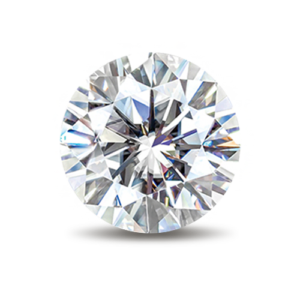
 Moissanite
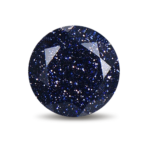
 Moss Agate
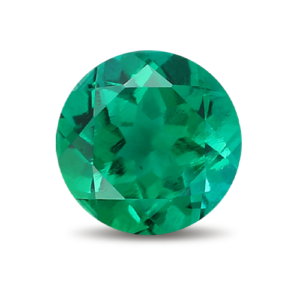 Emerald
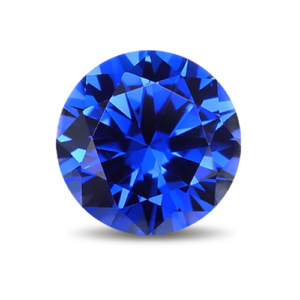 Sapphire
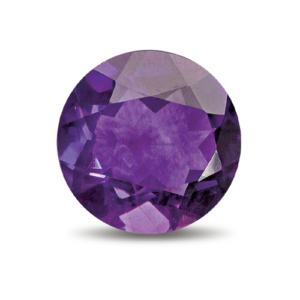 Amethyst
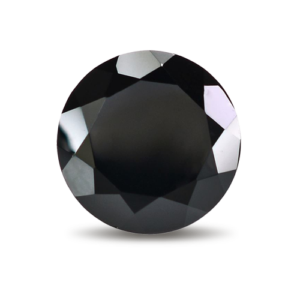 Black Onyx
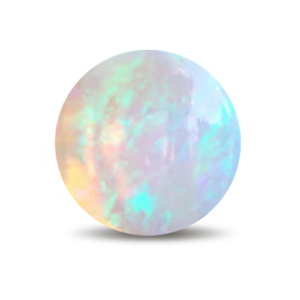 Opal
Opal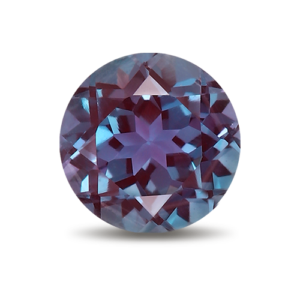 Alexandrite
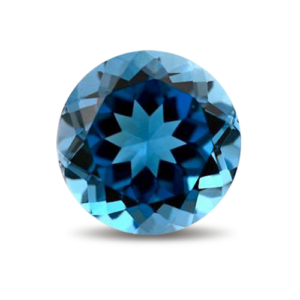 Topaz
Topaz Solitaire
 Halo
Halo
 Cluster
 Side Stone
 Pavé
Pavé
 Split Shank
 Art Nouveau
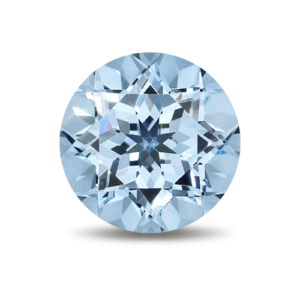 Aquamarine
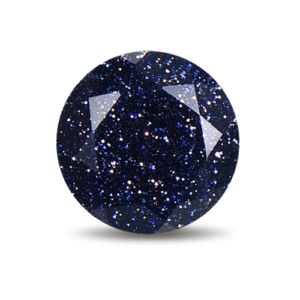 Blue Sandstone
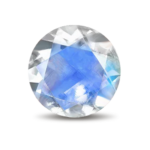
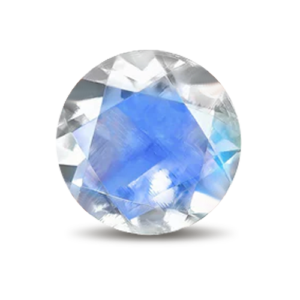 Moonstone
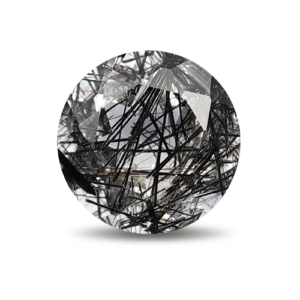 Black Rutilated Quartz
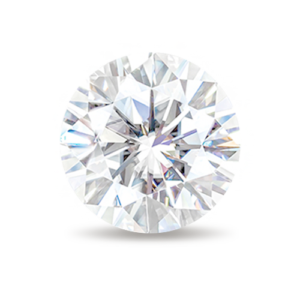 Lab Diamond
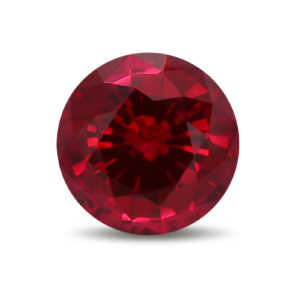 Ruby
Ruby
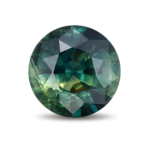
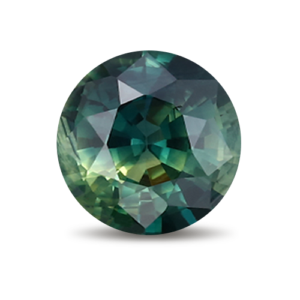 Teal Sapphire
 Salt & Pepper Diamond
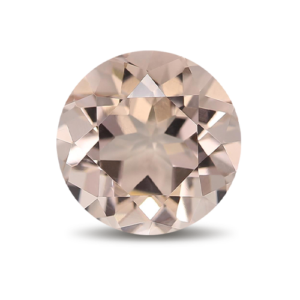 Morganite
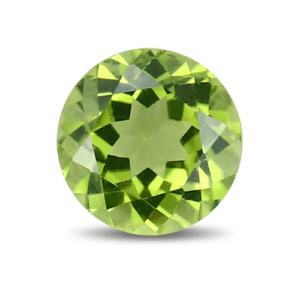 Peridot
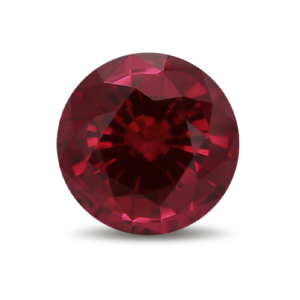 Garnet – January
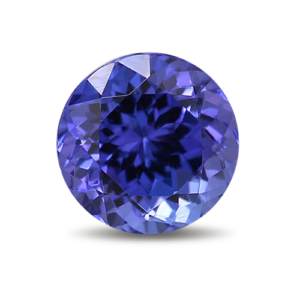 Tanzanite – December

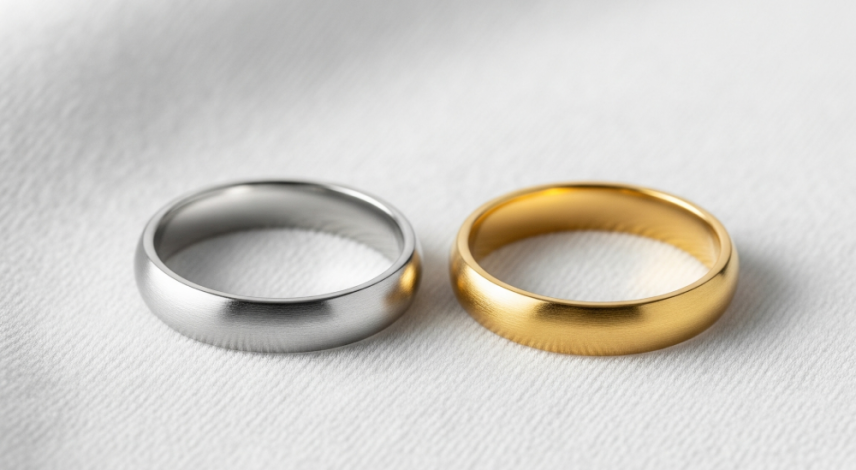
Why Is Sterling Silver Cheaper and More Affordable Than Gold? (2025 Value Guide)
by PattiRing 0 commentsIf you visit a jewelry website, you’ll quickly notice the significant price difference between sterling silver and gold pieces. For example, a stunning sterling silver ring from Pattiring might cost just a fraction of a similar gold design. This price difference leaves many wondering: Why is sterling silver so much cheaper than gold? Let’s break it down and discover why Pattiring’s sterling silver jewelry is the smart choice for your next purchase.
Understanding the Metals: Sterling Silver vs. Gold
Before explaining why sterling silver is cheaper than gold, let’s compare silver and gold jewelry. We need to examine their composition. Like silver, the gold in your jewelry is an alloy crafted for beauty and strength.
What is Sterling Silver? A Deeper Look at "925"
Sterling silver is the gold standard for high-quality silver jewelry worldwide. It is not pure silver, but rather a precisely crafted alloy.
The Composition: It consists of 92.5% pure silver and 7.5% other metals. The secondary metal is typically copper, prized for its ability to add strength without altering the color.
The “925” Stamp: Genuine sterling silver pieces are stamped with a quality mark or hallmark to signify this standard. These stamps typically read “925,” “STER,” or “Sterling.” This stamp guarantees that the piece contains 92.5% pure silver. It’s a mark of authenticity and quality that is upheld by international standards.
How Sterling Silver Differs from Other Types
Why Not Use Pure Silver for Jewelry?
Pure silver, also known as “fine silver” (.999), has a brilliant luster and is breathtakingly beautiful. However, it is incredibly soft and malleable. A ring made of pure silver would easily bend, dent, and scratch from simple daily activities. Gemstones would not be held securely, and intricate designs would quickly become misshapen.
Therefore, craftspeople created sterling silver, a material that retains the stunning beauty of silver while gaining the hardness and resilience needed for everyday objects, such as cutlery and, most importantly, jewelry.

What Is Gold? Understanding Karats and Colors
Gold jewelry follows the same principle: pure gold is alloyed to create a more durable and practical metal. The purity of gold is measured in karats (k).
The Composition: One karat is one part out of 24.
- 24k Gold: This is 100% pure gold (24 out of 24 parts). Like pure silver, it is extremely soft, intensely yellow, and too delicate for most jewelry.
- 18k Gold: It is 75% pure gold (18 parts gold and six parts other metals). It’s a premium choice that offers a rich color and excellent durability. It is often stamped “18k” or “750” to denote its 75% purity.
- 14k Gold: It is 58.3% pure gold (14 parts gold and 10 parts other metals). It’s the most popular choice for fine jewelry in the U.S. because it balances beautiful color, great durability, and more accessible pricing. It’s stamped “14k” or “583.”
The Colors of Gold: The other metals in the alloy not only add strength, but also change the color.
- Yellow Gold: It is achieved by alloying pure gold with copper and zinc.
- White Gold: It is created by mixing gold with white metals like palladium or nickel. It is often plated with rhodium for a bright, silvery-white finish.
- Rose Gold: It gets its warm, pink hue from a higher proportion of copper in the alloy.
This is why an 18k gold necklace is much more expensive than a sterling silver one. The gold piece contains 75% of an already rare and expensive metal, while the silver piece contains 92.5% of a naturally abundant and affordable metal.
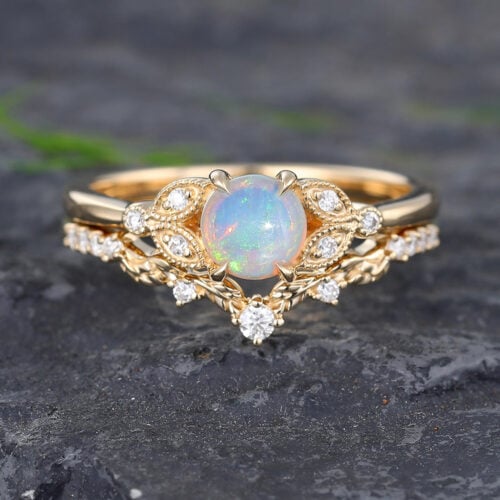
Why is Silver So Cheap Compared to Gold? 4 Key Reasons
Now, let’s explore the reasons why gold is more valuable than silver.
1. Gold is a True Rarity; Silver is Abundant
The single biggest reason for the price difference is simple: rarity.
Imagine you’re a treasure hunter. For every speck of gold you find in the Earth’s crust, you’d find about 19 specks of silver. Gold is one of the rarest metals on the planet. This natural scarcity gives gold a higher intrinsic value. Think of it as the difference between a rare diamond and a beautiful but much more common quartz crystal. Both are stunning, but the diamond is inherently more valuable because it’s harder to find.
2. Gold Plays Hard to Get (and Is Expensive to Mine)
The process of extracting these metals from the ground is costly. Gold mining is an intensive and dedicated process. Mining companies spend billions on exploration and operations to find and extract gold ore. All of these additional steps increase the price of gold jewelry.
Silver, on the other hand, is often a supporting actor. Over 70% of the world’s silver is mined as a byproduct of extracting other metals, such as copper, lead, and zinc. The other metals that are mined are already paying for the primary mining operation, so the silver that comes along with them can be brought to market at a much lower cost. It’s like receiving a bonus prize, which keeps the base price low.
Pattiring works directly with trusted suppliers to source our silver, cutting out unnecessary middlemen and keeping our costs down. This allows us to pass the savings on to you, our customers.
3. A Tale of Two Market Demands
Gold and silver serve different purposes in the world economy. Gold is 45 times rarer than silver in the Earth’s crust (0.004 ppm vs. 0.075 ppm). Yet, in 2025, the price per ounce of gold (~$3,385) is 89 times higher than the price per ounce of silver (~$38). Why?
- Gold‘s Role: It is primarily seen as a store of wealth and power and a symbol of luxury. Around 80% of all gold mined is used for investment, such as bars and coins held by central banks, and high-end jewelry. It’s a cherished metal that is mostly hoarded.
- Silver‘s Role: Silver has two roles. Like gold, it is a precious metal used for investment and jewelry. However, nearly half of all silver is consumed by industry. It’s the most electrically conductive and reflective metal on the planet, so it’s a critical component in everything from smartphones and laptops to solar panels and electric vehicles.
4. Sterling Silver's Alloy Factor
Pure silver (99.9%) is too soft for jewelry, so a standard alloy of 92.5% silver and 7.5% copper is used. This mix:
- Lowers cost (copper is cheap)
- Improves durability (though it can tarnish faster than gold)
Fine Silver (.999) vs. Sterling Silver (.925)
The “silver” in your jewelry isn’t pure, and that’s a good thing!
Fine Silver (.999): This is silver in its purest form, with 99.9% purity. It has a brilliant, whitish luster, but it is extremely soft. You could easily bend or scratch a ring made of fine silver with just your fingernail. For this reason, it’s impractical for everyday jewelry and is mainly used for investment bullion.
Sterling Silver (.925): It’s the gold standard for silver jewelry, and we proudly use it at Pattiring. Sterling silver is an alloy composed of 92.5% pure silver and 7.5% other metals, typically copper. Genuine sterling silver is stamped with “925” or “Ster” to signify its purity.
Why is this 7.5% addition so important? Copper dramatically increases the metal’s hardness and durability without compromising its beautiful color. This alloy makes silver strong enough to be crafted into intricate designs that can withstand daily wear.
Why Sterling Silver Is a Great Value?
We’ve established that sterling silver is more affordable. But is it a good value? The answer is a resounding yes.
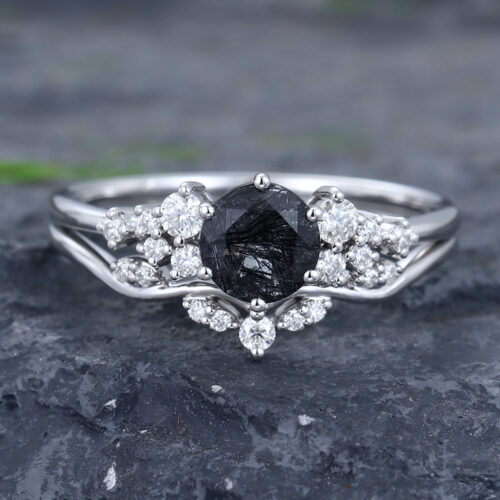
Durability and Longevity
A well-crafted piece of sterling silver jewelry is not a temporary accessory. With proper care, it can last a lifetime. Unlike cheap, plated “fashion jewelry” that can chip, fade, or turn your skin green, sterling silver is a solid precious metal through and through. Its strength allows it to securely hold gemstones and resist the dents and dings of everyday life.
Timeless, Versatile Style
While gold has a warm, classic glow, the cool, bright luster of sterling silver offers unparalleled versatility. It complements every skin tone and pairs effortlessly with any color, from a little black dress to a casual T-shirt and jeans. It’s the perfect canvas for minimalist designs and bold, artistic statements alike. This timeless appeal ensures that your Pattiring pieces will never go out of style.
Hypoallergenic Qualities
For those with sensitive skin, sterling silver is an excellent choice. It is a naturally hypoallergenic metal. While some people are sensitive to nickel, reputable jewelers like Pattiring use high-quality, nickel-free alloys, ensuring that our 925 sterling silver is safe and comfortable for almost everyone.
How to Buy Sterling Silver Wisely (Without Wasting Money)
Buying sterling silver wisely means getting genuine, high-quality pieces at a fair price. Here’s a comprehensive guide to help you make informed decisions.
1. Check the Hallmark
- Look for “925” or “Sterling” stamps and avoid unmarked pieces.
- Pattiring’s jewelry always includes certified purity marks.
2. Inspect Craftsmanship
- Smooth finishes: Look for well-defined, intricate details and finishes that are smooth and consistent, free of imperfections.
- Secure Settings: If the piece includes gemstones or pearls, ensure they are set securely.
- Sturdy Clasps: Ensure clasps and fasteners are easy to use yet secure.
- Weight: Genuine sterling silver should feel substantial; it should not feel too light or flimsy for its size.
3. Consider Rhodium Plating: Some sterling silver jewelry is rhodium-plated, which adds a brilliant shine and helps protect against tarnishing, thus increasing durability.
4. Check Return Policies and Warranties: A reputable seller will have clear return policies and may offer warranties on craftsmanship.
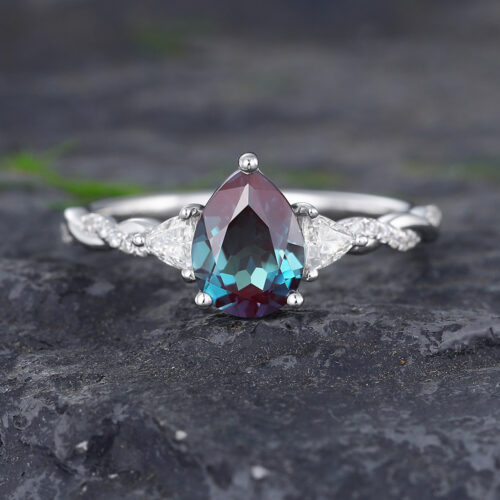
How to Identify if the Sterling Silver You Bought is Real (At-Home Tests)
Although hallmarks are the primary indicator, there are a few simple tests you can perform at home.
1. Magnet Test: Sterling silver is not magnetic. If a magnet sticks strongly to the piece, then it is likely not genuine sterling silver, or it has a non-silver core. However, some non-magnetic base metals exist, so use this test in conjunction with others.
2. Tarnishing: Sterling silver naturally tarnishes over time due to oxidation (a reaction with sulfur in the air), which causes it to develop a darkened patina. This is a sign of genuine silver and can be cleaned. Fake silver or silver-plated items generally don’t tarnish in the same way and may chip or discolor.
Learn how to prevent sterling silver from tarnishing.
3. Polish Test: If your silver is tarnished, gently rub it with a soft white cloth. If black residue appears on the cloth, it’s a good indication that it’s real silver.
Silver vs. Gold: Which Should You Choose?
When choosing between gold and sterling silver, you aren’t choosing between “good” and “bad.” Rather, you are choosing between two precious metals with unique histories and characteristics.
Choose Gold When:
- You want the ultimate symbol of luxury.
- You are making a significant investment.
- You are celebrating a major milestone, such as a wedding.
- Its value is tied to its rarity and historical significance.
Choose Sterling Silver When:
- You want nice, high-quality jewelry made of a precious metal for everyday and special events, but you don’t want to spend a lot of money.
- You value versatility, durability, and smart design.
- You want to build a diverse collection of stunning pieces that you can mix and match and love wearing.
Conclusion
The main reasons sterling silver is cheaper than gold are its composition, availability, mining and processing costs, market perception, and versatility. However, that doesn’t mean it’s any less beautiful or valuable in terms of personal enjoyment.
Ready to explore the possibilities? Browse our sterling silver collection today.
FAQs
Yes, sterling silver is real silver. It’s an alloy consisting of 92.5% pure silver and 7.5% other metals, usually copper. This composition makes sterling silver more durable than pure silver, which is very soft.
Silver is generally cheaper than gold due to its scarcity and lower demand. Gold is significantly rarer than silver in the Earth’s crust, and it lacks the strong investment demand that silver has from central banks.
No, sterling silver doesn’t rust, but it can tarnish (darken) due to oxidation when exposed to air and moisture. Regular cleaning can prevent this.
Yes, it is considered a high-quality metal for jewelry and other items. Its composition of 92.5% pure silver and 7.5% other metals (usually copper) provides a good balance of beauty, durability, and workability. It is more resistant to scratching and bending than pure silver, making it suitable for everyday wear while retaining the luster and value of silver.
Gold is more expensive than silver due to its rarity, higher demand as an investment and luxury good, and greater corrosion resistance.


