































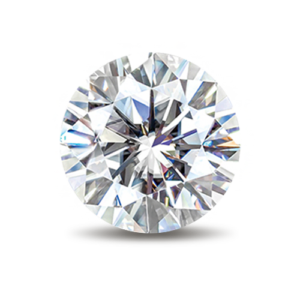
 Moissanite
 Moss Agate
 Emerald
 Sapphire
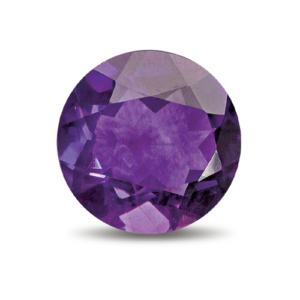 Amethyst
 Black Onyx
 Opal
Opal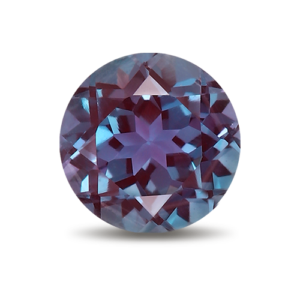 Alexandrite
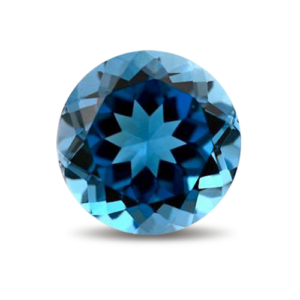 Topaz
Topaz Solitaire
 Halo
Halo
 Cluster
 Side Stone
 Pavé
Pavé
 Split Shank
 Art Nouveau
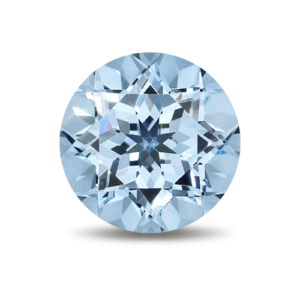 Aquamarine
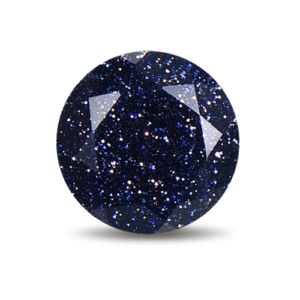 Blue Sandstone
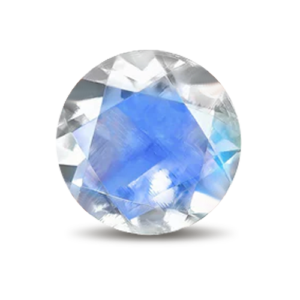 Moonstone
 Black Rutilated Quartz
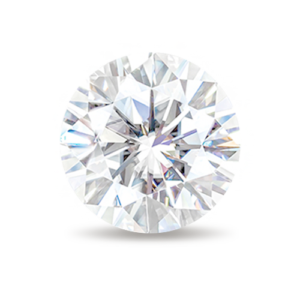 Lab Diamond
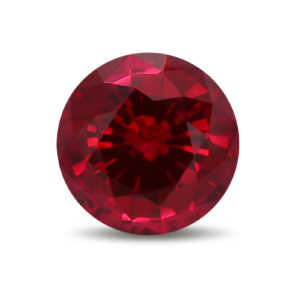 Ruby
Ruby
 Teal Sapphire
 Salt & Pepper Diamond
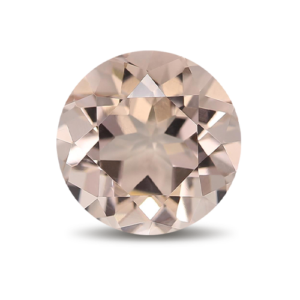 Morganite
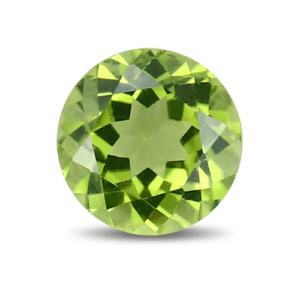 Peridot
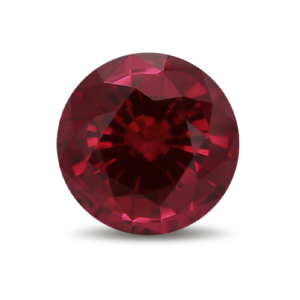 Garnet – January
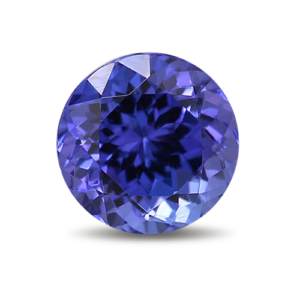 Tanzanite – December

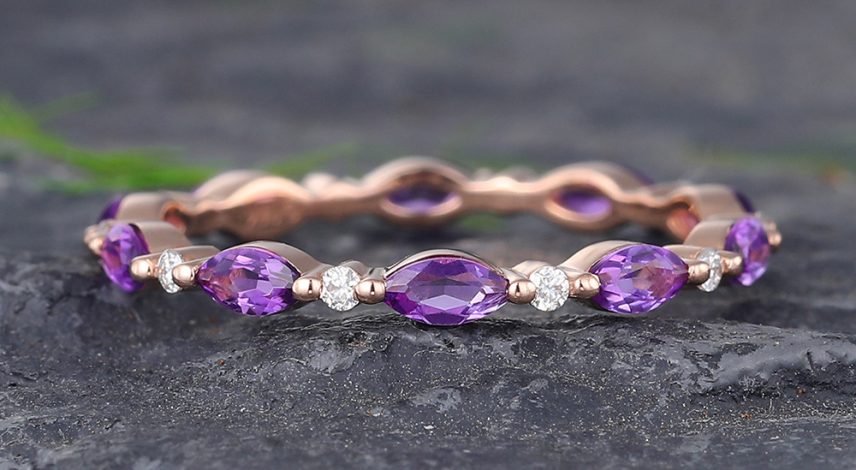
Amethyst, the birthstone of February, is a gemstone full of spirituality. Deep purple, like the night sky stars, mysterious and enchanting. As a popular gemstone, amethyst not only attracts people’s attention with its charming purple color but also contains rich spiritual and emotional symbols. If you are interested in amethyst gemstone, read on and learn more about it!
What is February's Birthstone?
The February birthstone is Amethyst. Amethyst is a variety of quartz, a common mineral found in many types of rocks. This beautiful purple gemstone is known for its spiritual significance, calming properties, and rich history. Throughout history, amethyst has been associated with many positive qualities, including peace, balance, and clarity, making it a popular choice for jewelry and said to bring good luck to those who wear it.
What is the Color of the February Birthstone?
The color of the February birthstone, amethyst, is purple. The most prized amethysts tend to be those with a strong, vibrant purple color with flashes of red and blue. While most people picture a deep, vibrant purple when they think of amethyst, it actually comes in a range of shades, from light lilac or pale lavender to deep, rich violet. Its distinctive purple color comes from the presence of iron and other trace elements within the quartz crystal structure.
Amethyst Meaning
1. Sobriety and Clear Thinking:
The name “amethyst” comes from the Greek word “amethystos,” meaning “not intoxicated. The ancient Greeks believed that amethyst could prevent drunkenness and promote clear thinking. This association extends beyond physical intoxication to include mental clarity and sound judgment.
2. Peace and Tranquility:
Amethyst is known for its calming and soothing energy. It’s believed to reduce stress and anxiety and promote relaxation. Its gentle vibrations can help quiet the mind and bring a sense of inner peace.
3. Emotional Balance:
Amethyst is thought to stabilize emotions and help individuals cope with emotional challenges. It can assist in overcoming grief, fear, and anger, promoting emotional healing and balance. It promotes a sense of peace and balance, making it a popular choice for those seeking emotional stability.
4. Spiritual Awareness and Intuition:
Amethyst is closely associated with the crown chakra, the energy center associated with spiritual connection and enlightenment. Known as the “stone of spirituality,” it is believed to enhance intuition and promote a deeper connection to the spiritual realm.
5. Protection and Purity:
Throughout history, many cultures have regarded Amethyst as a protective stone, believed to ward off negative energies and psychic attacks. It is also considered a symbol of purity and honesty.
Amethyst History
Amethyst has a long and fascinating history intertwined with mythology, royalty, and spiritual beliefs. Archaeological evidence suggests that amethyst was used in jewelry and amulets in Egypt as early as 3000 BC. It was prized by the pharaohs and often carved into scarabs or other sacred symbols.
Amethyst took on significant religious significance in the Middle Ages. Its purple color was associated with royalty and the clergy, and it became known as “the stone of bishops. Amethyst was often used in ecclesiastical jewelry and religious artifacts. During the Middle Ages, it became a symbol of piety and was favored by clergy and royalty. Kings and queens also wore amethyst as a sign of royalty and power. It adorned crowns, scepters, and other regalia, symbolizing power and authority.
The discovery of large amethyst deposits in Brazil in the 19th century made the gemstone more widely available and accessible to a wider audience. Today, amethyst remains popular as a February birthstone, admired for its beauty and spiritual significance. It is used in a wide range of jewelry, from simple pendants to elaborate statement pieces. Amethyst is also popular in crystal healing and spiritual practices.
Amethyst Benefits
Amethyst is believed to offer a wide range of benefits that include physical, emotional, and spiritual well-being. Here’s a closer look at some of the most commonly cited benefits:
1. Emotional and Mental Benefits
- Calm and stress relief: Amethyst is believed to promote calm and reduce anxiety, helping individuals achieve a sense of peace and balance.
- Enhanced Clarity: It helps improve focus and decision-making, making it easier to overcome confusion and emotional blockages.
- Emotional Healing: Amethyst can help process grief and sadness, providing comfort during difficult times.
2. Spiritual Benefits
- Spiritual awareness: The stone is associated with the crown chakra, facilitating spiritual growth and a deeper connection to one’s inner self.
- Protection: Many believe that amethyst acts as a protective barrier against negative energies and psychic attacks, providing a sense of security.
3. Physical Healing
- Health Benefits: Amethyst is thought to help with physical ailments such as headaches, insomnia, and digestive problems. It is also believed to support overall wellness by promoting restful sleep.
- Detoxification: Some practitioners suggest that amethyst can aid in the body’s detoxification processes, helping to clear negative energies.
Amethyst Fun Facts
- Amethyst is the official gemstone for the 6th and 17th wedding anniversaries.
- A large amethyst: The largest amethyst geode, “The Empress of Uruguay,” stands over 10 feet tall and weighs over 2.5 tons.
- From “not drunk”: The name “amethyst” comes from the Greek word “amethystos,” meaning “not intoxicated. The ancient Greeks believed that wearing amethyst could prevent drunkenness! They even carved drinking cups out of it, hoping to avoid hangovers.
- Turns yellow with heat: When amethyst is heated to high temperatures, it loses its purple color and turns yellow or orange. This is how much of the market’s citrine (a yellow gemstone) is made – it’s actually heat-treated amethyst!
- Can be found all over the world: Amethyst is found in many countries, including Brazil, Uruguay, Zambia, and South Korea.
- A stone of peace: Amethyst is often called the “stone of peace” because it’s believed to have calming and soothing properties. It’s associated with tranquility, restful sleep, and stress reduction.
- Valentine’s Day Connection: Some believe that St. Valentine wore an amethyst ring carved with the image of Cupid. This may be one reason why amethyst is associated with love and is the birthstone for February.
Final Thought
Amethyst is more than just a gemstone – it symbolizes peace, clarity, and spiritual growth. Its
stunning purple hues and rich history make it a perfect choice for February birthdays or for anyone looking to add a touch of elegance to their lives. At Pattiring, we are passionate about creating jewelry that celebrates the beauty and significance of amethyst.


