














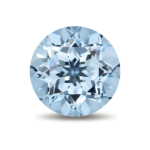
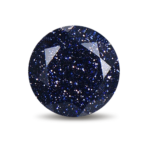
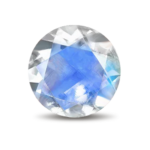





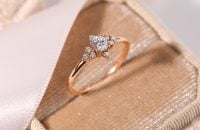




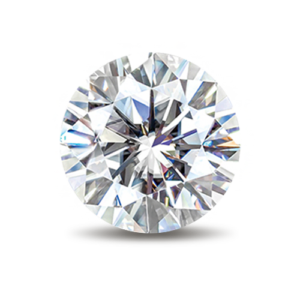
 Moissanite
 Moss Agate
 Emerald
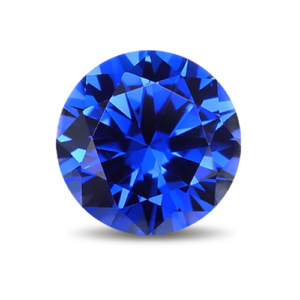 Sapphire
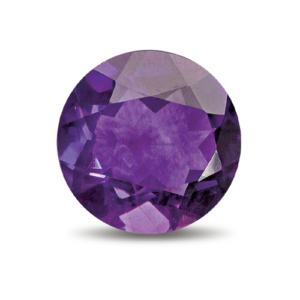 Amethyst
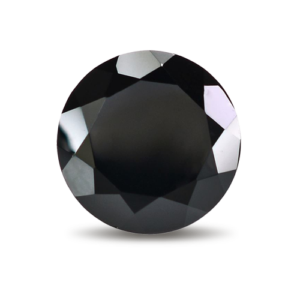 Black Onyx
 Opal
Opal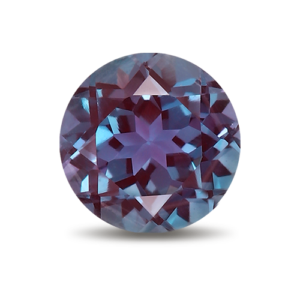 Alexandrite
 Topaz
Topaz Solitaire
 Halo
Halo
 Cluster
 Side Stone
 Pavé
Pavé
 Split Shank
 Art Nouveau
 Aquamarine
 Blue Sandstone
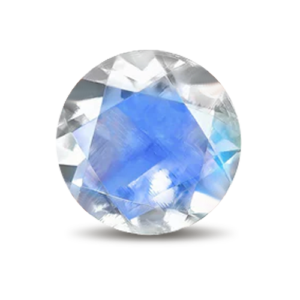 Moonstone
 Black Rutilated Quartz
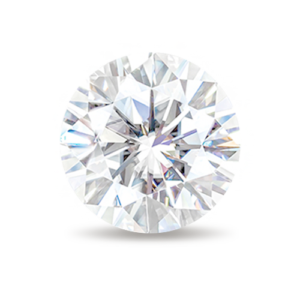 Lab Diamond
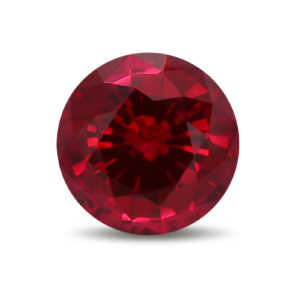 Ruby
Ruby
 Teal Sapphire
 Salt & Pepper Diamond
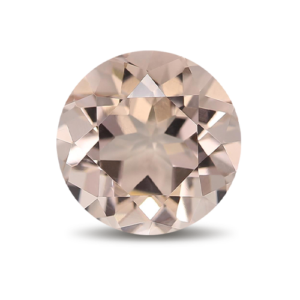 Morganite
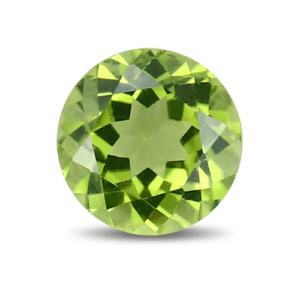 Peridot
 Garnet – January
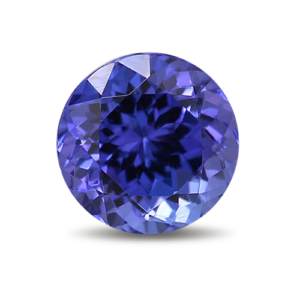 Tanzanite – December

Introduction
The June birthstone, Alexandrite, is one of the rarest and most captivating gemstones in the world. Known as the “emerald by day and ruby by night,” this extraordinary alexandrite stone changes color depending on the light source. As an alexandrite engagement ring, it symbolizes love, transformation, and balance, making it a perfect choice for couples who want something truly unique. In this article, we will explore the history, meaning, price, quality factors, and styles of alexandrite jewelry. By the end, you’ll know exactly how to compare price and quality when choosing your dream ring.
What Is the June Birthstone?
Alexandrite Stone Overview
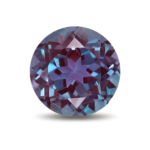
Discovered in the Ural Mountains of Russia in the 1830s, the alexandrite stone quickly gained a reputation for its magical color-changing properties. It belongs to the chrysoberyl family and is incredibly rare. In daylight, alexandrite usually appears green or bluish-green, while under incandescent light or candlelight, it transforms into shades of red or purple. This striking transformation makes it one of the most desirable june birth stones.
June Birthstone Color Meaning
The june birthstone color is more than just a visual delight. The green shade represents growth, balance, and vitality, while the red hues symbolize love, passion, and energy. As a birthstone, alexandrite is believed to bring good fortune, creativity, and harmony into the lives of those born in June. Compared to pearl and moonstone, which are also June birthstones, alexandrite stands out for its durability and dramatic optical effects.
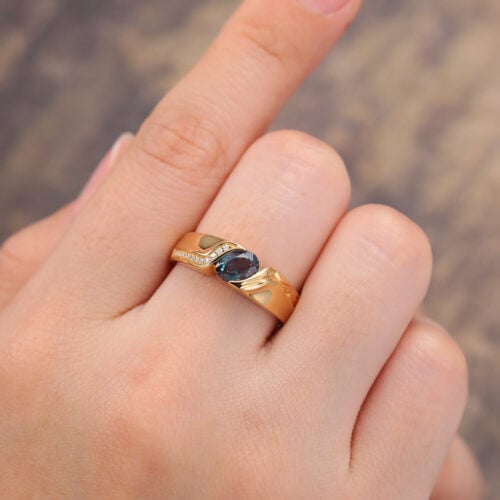
Yellow Gold Channel Oval Cut Alexandrite Wedding Band for Men
Why Choose Alexandrite Engagement Rings?
Symbolism of Alexandrite in Engagement Jewelry
An alexandrite engagement ring carries profound symbolism. Its unique ability to change color mirrors the evolving journey of love and the different phases of a relationship. For many couples, this duality represents adaptability, resilience, and the ever-changing beauty of romance.
Alexandrite vs. Other June Birth Stones
- Pearl: Timeless and elegant but delicate, making it less practical for everyday wear.
- Moonstone: Mystical and dreamy but softer on the Mohs scale, so it scratches easily.
- Alexandrite: Durable, rare, and visually extraordinary, making it ideal for engagement jewelry.
Benefits of Alexandrite Jewelry
- Durability: With a hardness of 8.5 on the Mohs scale, it withstands daily wear.
- Rarity: Natural alexandrite is extremely rare, making it a prized gemstone.
- Versatility: Its ever-changing colors complement both casual and formal settings.
Alexandrite Engagement Ring Price Guide
Alexandrite Price per Carat (2025 Update)
The price of alexandrite depends heavily on whether it is natural or lab-grown:
- Natural alexandrite: $5,000 – $70,000 per carat depending on quality.
- Lab-grown alexandrite: $300 – $1,500 per carat, making it an affordable alternative.
Factors That Affect Alexandrite Ring Prices
- Carat weight: Larger stones are significantly rarer and more expensive.
- Color change intensity: Stones with a strong green-to-red transformation are the most valuable.
- Origin: Russian alexandrite is the most prized, followed by Brazilian and Sri Lankan.
- Setting material: Platinum and 18K gold mountings increase the overall cost of the jewelry.
Affordable Alexandrite Engagement Rings
For those on a budget, lab-grown alexandrite rings are an excellent choice, often priced under $1,000. Mid-range buyers can find small natural stones for $2,000 to $5,000. For collectors, rare Russian stones with strong color change can fetch over $100,000.
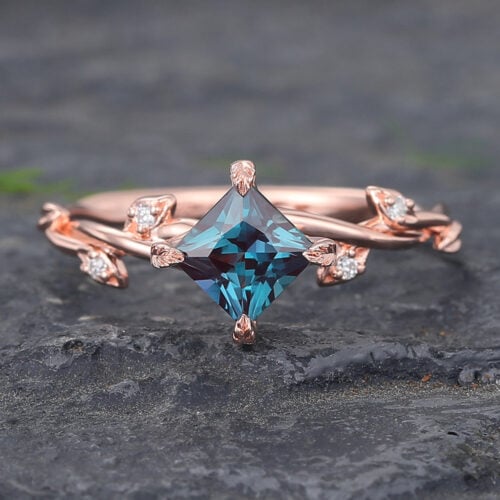
Leaf Vine Princess Cut Alexandrite Twisted Engagement-Ring
How to Compare Quality in Alexandrite Jewelry
Color Change Intensity
The most important factor in evaluating an alexandrite stone is its ability to change color. The more dramatic the shift between green and red, the higher the stone’s value. A gemstone that looks dull or has only a faint color change is worth significantly less.
Clarity and Cut
While inclusions are common in alexandrite, the fewer visible flaws, the better. A well-cut stone enhances the brilliance and showcases the color change effect. Shapes such as oval, cushion, and emerald cuts are popular for engagement rings.
Certification and Authenticity
Always request a certificate from reputable organizations such as GIA or IGI. This ensures you are buying a genuine alexandrite and not a synthetic or imitation stone like garnet or corundum.
Best Styles of Alexandrite Engagement Rings
Vintage vs. Modern Designs
Vintage styles feature intricate detailing, filigree, and antique-inspired craftsmanship.
Modern designs highlight minimalism, focusing attention on the alexandrite itself.
Popular Ring Settings
- Solitaire: A single alexandrite stone that emphasizes its color-changing effect.
- Halo: Surrounded by diamonds, the central stone appears larger and more radiant.
- Three-stone: Represents past, present, and future, a meaningful choice for engagement.
Custom Alexandrite Engagement Rings
Customization allows couples to choose the cut, carat size, and setting material. Popular choices include platinum for durability or rose gold for a romantic touch.
Caring for Your Alexandrite Jewelry
Cleaning Tips for Alexandrite Rings
Use mild soap and warm water with a soft brush to clean your alexandrite jewelry. Avoid ultrasonic cleaners, as they may damage the stone.
Storing and Protecting Alexandrite Stones
Store alexandrite rings separately in a soft pouch or lined box to prevent scratches from harder gemstones like diamonds.
Long-Term Maintenance
Take your jewelry for professional cleaning and prong inspections at least once a year. Proper care ensures your alexandrite engagement ring retains its brilliance for generations.
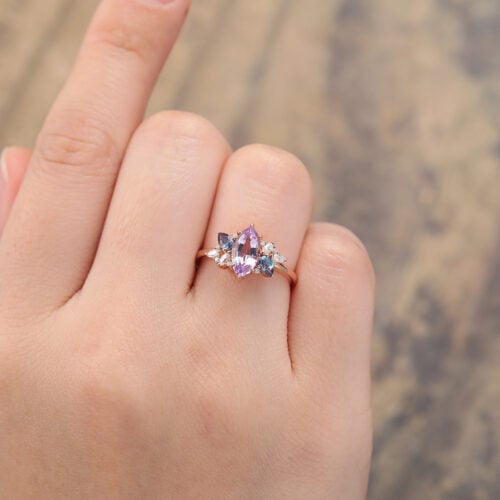
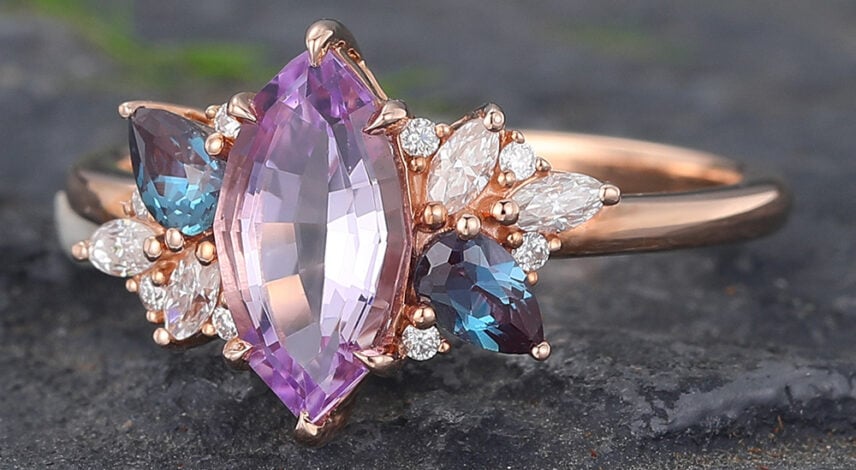
Lab Pink Sapphire Cluster Engagement Ring Alexandrite Side Stone Ring
Where to Buy Alexandrite Engagement Rings
- Online retailers: Trusted jewelry platforms such as Blue Nile and James Allen offer both natural and lab-created alexandrite rings.
- Brick-and-mortar stores: High-end jewelers or custom workshops allow you to see the stone in person.
- Buying tips: Always verify authenticity, request certification, and compare prices across multiple sellers.
Conclusion
The June birthstone, Alexandrite, is more than just a gemstone—it is a symbol of love, transformation, and rarity. Whether you choose an affordable lab-grown ring or a rare natural stone, an alexandrite engagement ring stands out for its uniqueness. By comparing price and quality, you can find a piece of alexandrite jewelry that reflects your personal story and everlasting commitment. Choosing this extraordinary stone means giving your partner a timeless treasure that will never lose its magic.
FAQs
Is alexandrite the only June birthstone?
No. June has three official birthstones: pearl, moonstone, and alexandrite. However, alexandrite is the rarest and most valuable.
How much does a 1 carat natural alexandrite cost?
Depending on quality and origin, prices range between $5,000 and $20,000 per carat.
Is lab-created alexandrite worth buying?
Yes. Lab-grown alexandrite is far more affordable while retaining the same optical properties as natural stones, making it a great option for budget-conscious buyers.
How do I know if my alexandrite is real?
Genuine alexandrite shows a distinct color change under different lighting and comes with certification from a recognized gemological institute.


