


































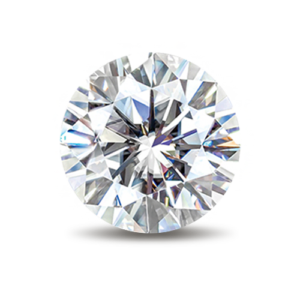
 Moissanite
 Moss Agate
 Emerald
 Sapphire
 Amethyst
 Black Onyx
 Opal
Opal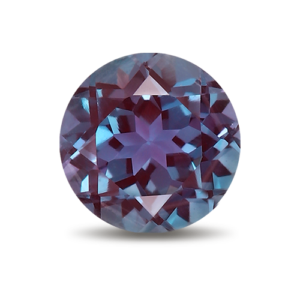 Alexandrite
 Topaz
Topaz Solitaire
 Halo
Halo
 Cluster
 Side Stone
 Pavé
Pavé
 Split Shank
 Art Nouveau
 Aquamarine
 Blue Sandstone
 Moonstone
 Black Rutilated Quartz
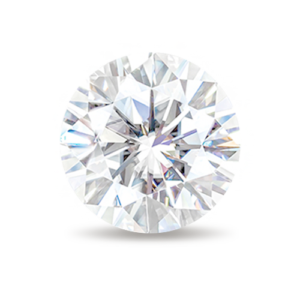 Lab Diamond
 Ruby
Ruby
 Teal Sapphire
 Salt & Pepper Diamond
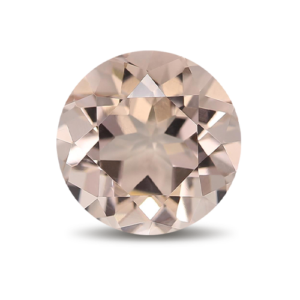 Morganite
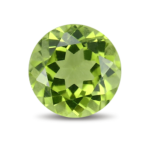
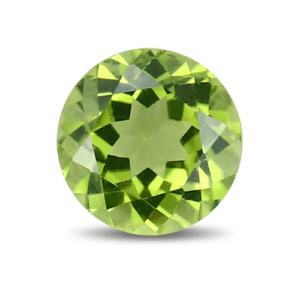 Peridot
 Garnet – January
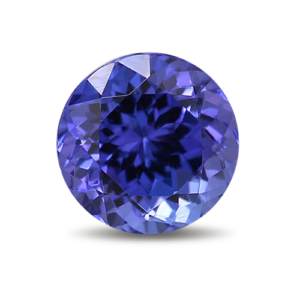 Tanzanite – December

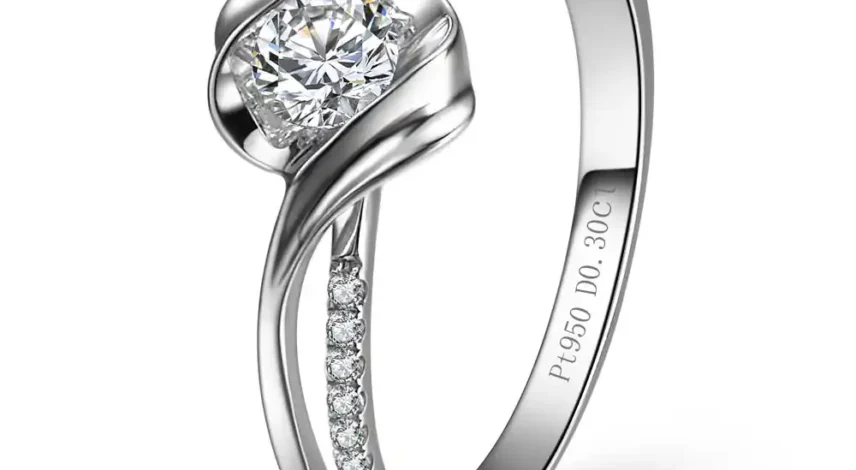
Platinum jewelry has been a symbol of elegance, rarity, and durability for centuries. Known for its lustrous, silvery-white sheen, platinum is a metal that stands the test of time—making it an ideal choice for engagement rings, wedding bands, and other fine jewelry pieces. Whether you’re shopping for a special occasion or simply looking to invest in a durable, high-quality piece, understanding the unique properties of platinum will help guide your decision. In this ultimate guide, we’ll explore the benefits of platinum jewelry, its durability, aesthetic appeal, and tips for buying and caring for it.
Introduction: Why Choose Platinum for Jewelry?
When choosing fine jewelry, platinum stands out for several reasons: its timeless beauty, extraordinary strength, and rarity. Unlike other metals, platinum is naturally hypoallergenic, which makes it a popular choice for those with sensitive skin.Platinum jewelry has become increasingly sought after because of its luxurious appeal and durability. Platinum’s rarity also adds to its exclusivity, making it a preferred material for engagement rings and heirloom-quality jewelry. Additionally, platinum is a 100% pure metal (in most cases, 95%), offering a higher percentage of purity compared to gold, which is often alloyed with other metals.
But why is platinum specifically chosen for jewelry, especially engagement rings? The answer lies in its stunning ability to reflect light, complement diamonds and gemstones, and resist tarnishing. If you are seeking a durable and elegant piece of jewelry that will last for generations, a platinum ring or women’s platinum jewelry is an excellent choice.
What is Platinum?
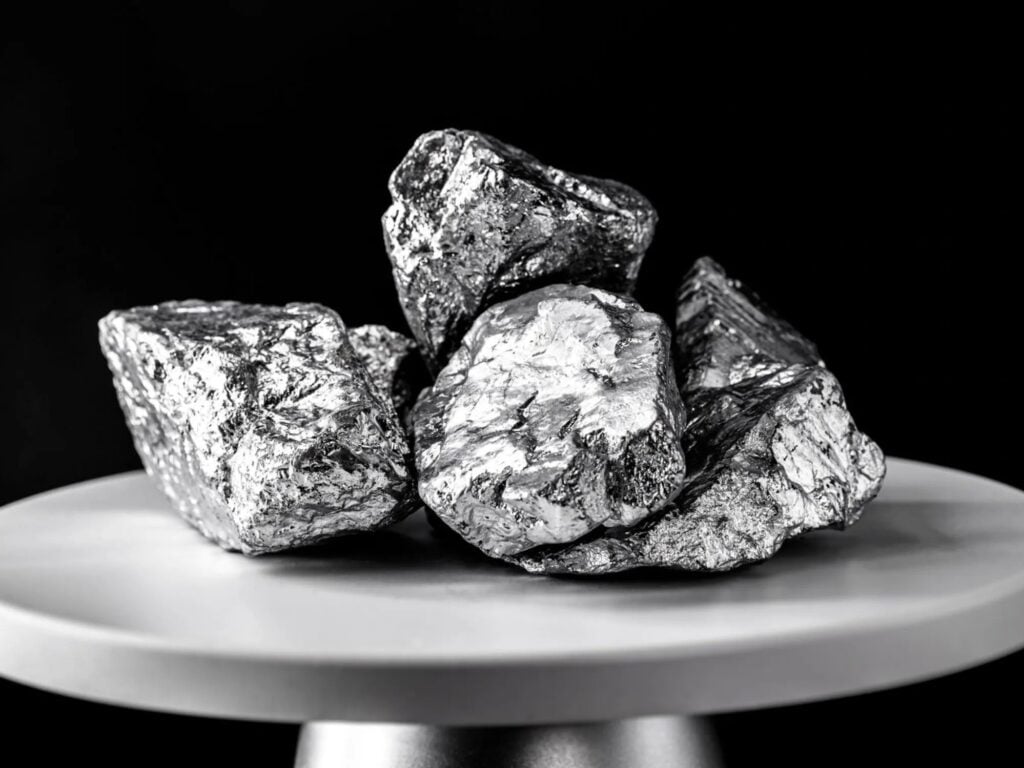
Platinum is a dense, malleable precious metal that is both rare and valuable. It is commonly found in its purest form, making it one of the most desirable metals in the jewelry world. Unlike gold, which is usually alloyed with other metals to increase its strength, platinum is typically 95% pure in most fine jewelry. This high level of purity gives platinum its unique luster and silvery-white color.
What makes platinum so special is its resistance to wear and tarnish. It’s highly resistant to corrosion and doesn’t react to air or water, meaning it won’t rust or tarnish over time. It also holds its form better than other metals and doesn’t lose metal as it wears, which is a key reason why it is chosen for engagement rings that are worn every day.
Durability and Strength of Platinum Jewelry
Platinum’s durability is one of its most appealing qualities. As one of the densest metals available, platinum is incredibly strong and resistant to scratching. While no metal is impervious to scratches, platinum’s structure allows it to hold its shape better than other metals. Instead of losing metal when scratched, platinum simply displaces it, which means that your platinum jewelry can retain its design and integrity over time.
This unique characteristic makes platinum ideal for platinum wedding bands and engagement rings, which are often worn every day. It’s resistant to fading, corrosion, and tarnishing, meaning that even after years of wear, platinum jewelry will maintain its sheen and will only develop a natural patina that many people find appealing. Some people even prefer the soft, matte finish that develops over time.
In the white gold vs platinum debate, platinum stands out for its higher density, greater durability, and longer-lasting luster. When compared to other precious metals like gold, white gold, and silver, platinum’s exceptional durability becomes even more apparent. Here’s how it stacks up:
| Metal | Durability | Tarnish Resistance | Ideal Use |
|---|---|---|---|
| Platinum | Extremely durable, ideal for daily wear | Does not tarnish or corrode, retains its shine long-term | Best for engagement rings, wedding bands, and heirloom pieces |
| Gold | Strong, but softer than platinum, prone to wear | Tarnishes more easily, requires frequent maintenance | Suitable for jewelry worn occasionally or not daily |
| White Gold | Stronger than gold but still softer than platinum | Tarnishes over time, needs periodic replating | Ideal for fashion pieces, but needs regular care and replating |
| Silver | Soft and malleable, more fragile than platinum | Tarnishes very quickly, needs frequent cleaning and polishing | Best for less frequently worn jewelry or budget-friendly options |
The Elegance of Platinum Jewelry
Platinum is often associated with luxury and elegance. Its natural white hue enhances the brilliance of diamonds and colored gemstones, making it a preferred setting for engagement rings. The subtle sheen of platinum gives a sophisticated and timeless look, adding an extra level of elegance to any jewelry piece.
The Allure of Platinum in Engagement Rings:
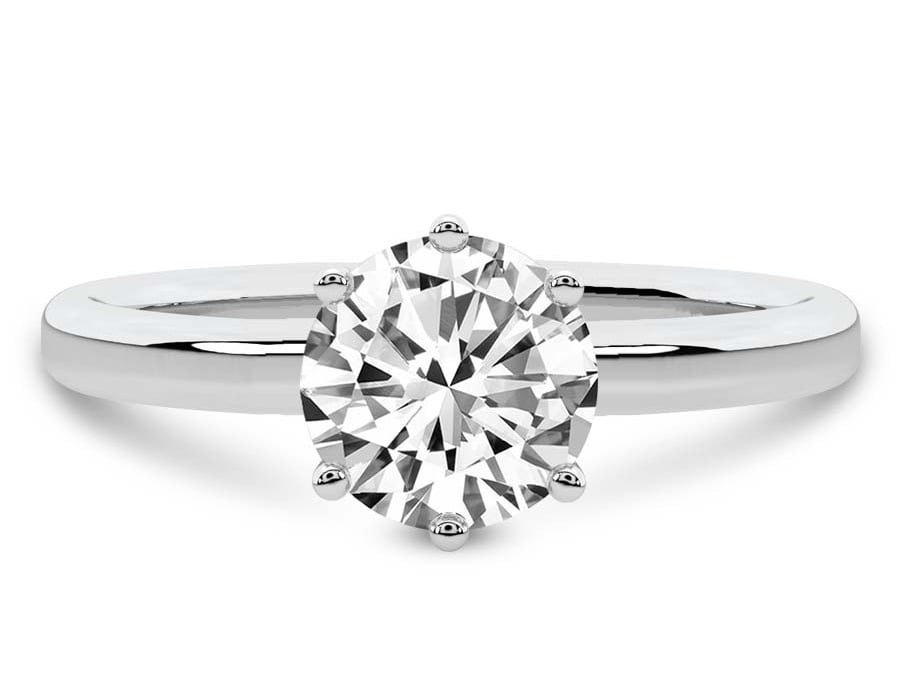
Platinum engagement rings are particularly popular because of their beauty and durability. The bright white shine of platinum enhances the sparkle of diamonds and other gemstones, making them stand out even more. Additionally, platinum’s resistance to fading ensures that the ring’s elegance will last for years to come.
Many people choose platinum for their engagement rings for the same reasons—it offers a clean, modern aesthetic while also symbolizing enduring love and commitment. Moreover, platinum’s ability to hold stones securely makes it the perfect metal for intricate designs and settings that require precision.
Buying Platinum Jewelry: What You Need to Know
When purchasing platinum jewelry, there are several important factors to keep in mind to ensure you’re making an informed and lasting investment. Platinum is a premium metal, known for its durability, elegance, and rarity, making it a great choice for engagement rings, wedding bands, and heirloom pieces. Here’s what to consider when buying platinum jewelry:
- Purity: Platinum jewelry is typically 95% pure, with the remaining 5% consisting of other metals like iridium or ruthenium for added strength. Be sure to confirm the purity of the platinum used in any piece.
- Design and Craftsmanship: Because platinum is a malleable metal, it is ideal for intricate and detailed designs. Whether you’re choosing an engagement ring or a pendant, look for well-crafted pieces with attention to detail.
- Weight: Platinum is denser than gold and silver, meaning it may weigh more. When buying platinum jewelry, it’s important to consider the weight, especially if you are purchasing a larger piece like a bracelet or ring.
- Price: Platinum is rarer than gold, and its higher density contributes to its cost. Expect to pay a premium for platinum pieces, especially those with diamonds or gemstones. However, this investment is worthwhile due to platinum’s longevity and value retention over time.
- Choosing a Reputable Jeweler: When purchasing platinum jewelry, it’s essential to choose a jeweler who offers certification and guarantees the quality of the platinum used. Look for jewelers who provide transparency about the purity of the metal and offer lifetime warranties or care services.For high-quality platinum jewelry and exceptional customer service, visit Pattiring to customize a unique and exquisite platinum wedding ring, engagement ring, and other fine jewelry that will last a lifetime.
Caring for Platinum Jewelry
Platinum is a relatively low-maintenance metal, but like all fine jewelry, it does require some care to maintain its beauty.
- Cleaning and Maintenance:To keep your platinum jewelry looking its best, clean it regularly with mild soap, warm water, and a soft cloth. Avoid using harsh chemicals or abrasive cleaning materials that could scratch or dull the surface. If your platinum jewelry features diamonds or other gemstones, make sure to clean the stones as well to maintain their sparkle.
- Professional Cleaning:It’s a good idea to have your platinum jewelry professionally cleaned once a year to ensure it stays in top condition. Professional cleaning can also help inspect for any loose stones or damage that may require attention.
- Storing Platinum Jewelry:When not in use, store platinum jewelry in a soft pouch or jewelry box to prevent scratches from other pieces. Avoid keeping your platinum jewelry in direct contact with harsh chemicals like perfumes or lotions.
Conclusion
Platinum jewelry is an exceptional choice for those who seek durability, elegance, and timeless beauty. Whether you are purchasing an engagement ring, wedding band, or another special piece, platinum offers unmatched strength and a sophisticated shine that enhances any design. Its durability ensures that it will withstand the test of time, making it a smart investment in both style and function.
With proper care and maintenance, platinum jewelry can last for generations, retaining its beauty and value for years to come. Choose platinum for your next jewelry purchase, and enjoy the enduring elegance it brings to your collection.
Ready to acquire a stunning piece of platinum jewelry? Welcome to Pattiring!
Contact our customer service team and provide your requirements. We will create a bespoke collection of premium platinum rings, earrings, and other jewelry—each piece crafted with meticulous care to accompany you for a lifetime. Don’t hesitate, choose a timeless and elegant piece of jewelry now to add brilliance to your collection!
FAQs
Why is platinum more expensive than other metals?
Platinum is more expensive than other metals like gold and silver due to its rarity, density, and purity. It is a rare metal, and its higher density makes it heavier and more expensive to produce. Additionally, platinum is typically used in its purest form (95%), which contributes to its higher cost. However, the investment is worthwhile due to platinum’s durability and timeless appeal.
How can I tell if my jewelry is made of real platinum?
To confirm that your jewelry is made of real platinum, look for a purity stamp on the inside of the piece, such as “PT” or “950” (indicating 95% platinum). Additionally, a reputable jeweler will provide a certificate of authenticity, confirming the platinum content of your jewelry. Always purchase from a trusted jeweler who guarantees the purity of their platinum.
Is platinum jewelry durable enough for daily wear?
Yes, platinum is an ideal metal for daily wear due to its strength and resistance to tarnishing, scratching, and corrosion. It is a dense metal that holds its shape better than softer metals like gold, making it perfect for engagement rings and wedding bands. With proper care, platinum jewelry can last for generations without losing its shine.
Does platinum tarnish over time?
Platinum does not tarnish. Unlike silver or white gold, which require periodic cleaning to maintain their shine, platinum maintains its luster over time. It will, however, develop a natural patina due to daily wear, which many people find attractive. This patina adds character to the jewelry and does not affect its strength or beauty.
Can platinum jewelry be resized?
Yes, platinum jewelry can be resized, but due to its density and hardness, it may require special equipment. It’s always best to have resizing done by a professional jeweler experienced with platinum to ensure the process is done safely and accurately.
Where can I buy high-quality platinum jewelry?
You can commission a wide variety of high-quality platinum jewelry from trusted jewelers like Pattiring.
Look for jewelers who offer purity certificates and guarantees the quality of their platinum jewelry. Always choose reputable retailers to ensure you purchase genuine platinum jewelry that meets high standards.


