






















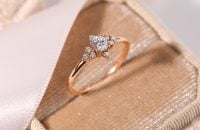





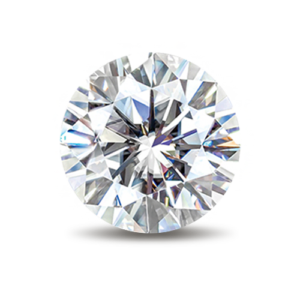
 Moissanite
 Moss Agate
 Emerald
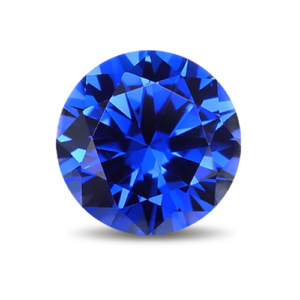 Sapphire
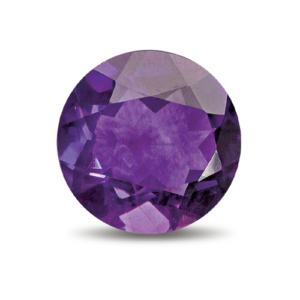 Amethyst
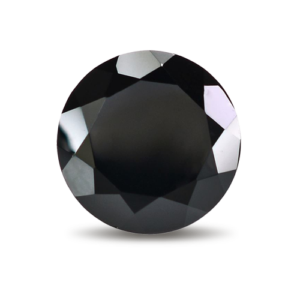 Black Onyx
 Opal
Opal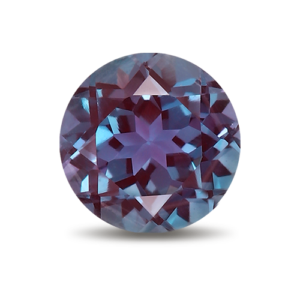 Alexandrite
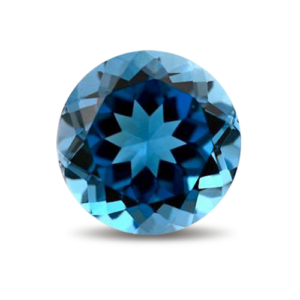 Topaz
Topaz Solitaire
 Halo
Halo
 Cluster
 Side Stone
 Pavé
Pavé
 Split Shank
 Art Nouveau
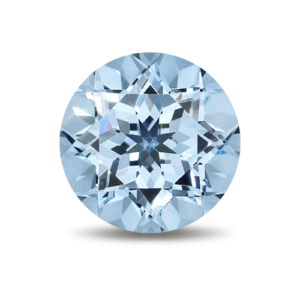 Aquamarine
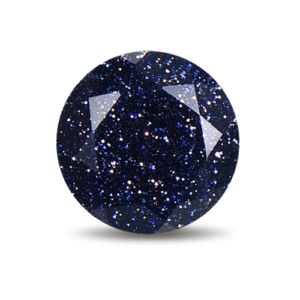 Blue Sandstone
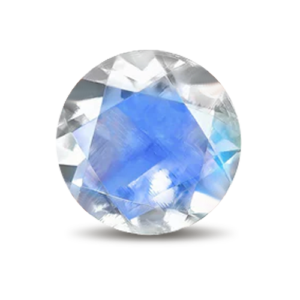 Moonstone
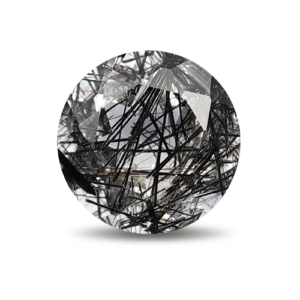 Black Rutilated Quartz
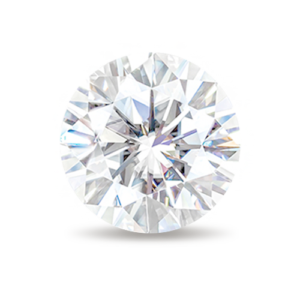 Lab Diamond
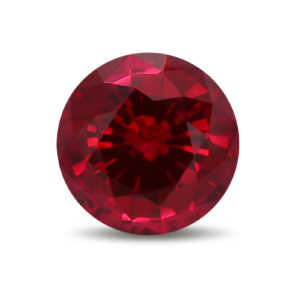 Ruby
Ruby
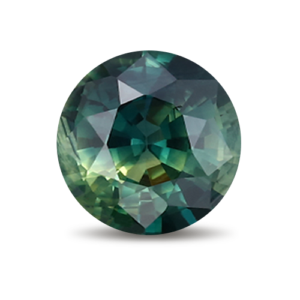 Teal Sapphire
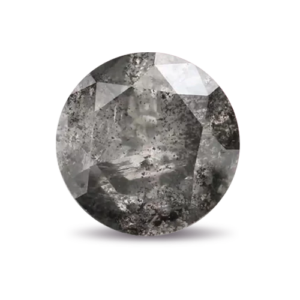 Salt & Pepper Diamond
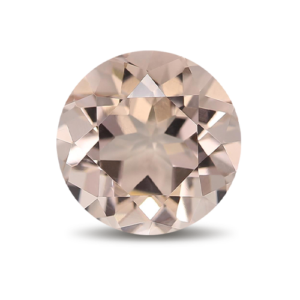 Morganite
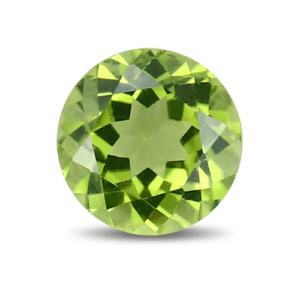 Peridot
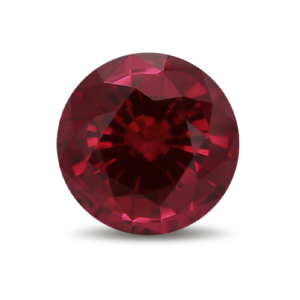 Garnet – January
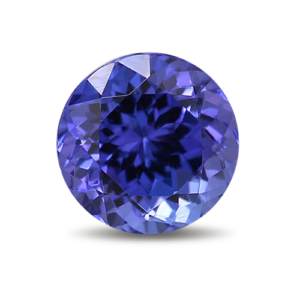 Tanzanite – December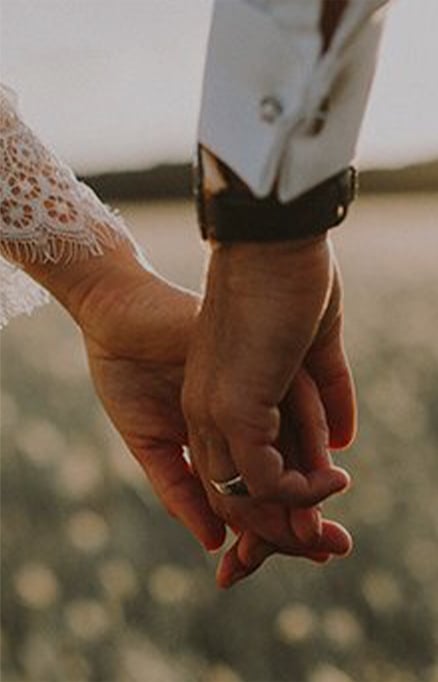

Gothic jewelry, with its dramatic aesthetics, rich symbolism, and deep cultural roots, has evolved from medieval religious art to a defining element of modern alternative fashion.From French Gothic jewelry and French Christian Gothic jewelry of the past to modern high quality Gothic jewelry crafted by contemporary Gothic jewelry brands, the style reflects centuries of transformation. Its history reflects a continuous cycle of revival and reinterpretation—shaped by Gothic architecture, Victorian mourning traditions, counterculture movements, and contemporary fashion designers.Traditionally linked to architecture, spirituality, and Victorian mourning traditions, Gothic pieces—from Gothic cross jewelry and Victorian Gothic jewelry to ornate Gothic orb jewelry—carry meanings of mystery, rebellion, and identity.
Today, Gothic accessories appeal to a wide audience, including Gothic jewelry for women and Gothic jewelry for guys, offering everything from silver Gothic jewelry and Gothic gold jewelry to collectible items stored in a Gothic jewelry box. Whether someone is searching for Gothic jewelry for men, browsing Gothic jewelry near me, or exploring vintage Christian Gothic jewelry——skull motifs, dark gemstones, or architectural shapes, the style remains a powerful form of personal and cultural expression.This article explores the origins, symbols, and modern resurgences that have shaped Gothic jewelry into the enduring style it is today.
Origins of Gothic Style in Jewelry and Fashion
The origins of Gothic jewelry can be traced back to the Gothic period (12th–16th centuries) in Europe, where the architectural style gave rise to a distinct aesthetic characterized by sharp, pointed forms and intricate details. The stark contrast between light and dark, the elevation of religious themes, and the focus on the supernatural found in Gothic architecture all heavily influenced the jewelry of the era.This influence extended to wedding bands , engagement rings and gemstone rings where intricate metalwork, dramatic contrasts, and symbolic motifs were often used to represent love, eternity, and the mystical aspects of marriage.
Gothic jewelry was often worn by the wealthy or clergy, and its designs reflected the grandeur and mystery of the time. Jewels were frequently used in religious contexts, often taking the form of crosses or religious medallions. Gothic cross jewelry, with its intricate designs, was especially popular as a symbol of faith and power. However, it was the rise of the Gothic Revival in the 19th century that transformed the style into a more personal and artistic statement. The movement, which harked back to medieval and Renaissance aesthetics, helped reintroduce dark, ornate designs that would become synonymous with the Gothic style jewelry we recognize today.
The 1980s and 1990s witnessed the rise of Gothic subculture, with men’s and women’s Gothic jewelry becoming a form of self-expression. This era’s fashion was influenced by the post-punk movement, where fashion became a tool of rebellion, individuality, and self-identity. Dark, dramatic, and sometimes macabre jewelry became a cornerstone of black gothic jewelry, showcasing an affinity for death, romanticism, and the supernatural.
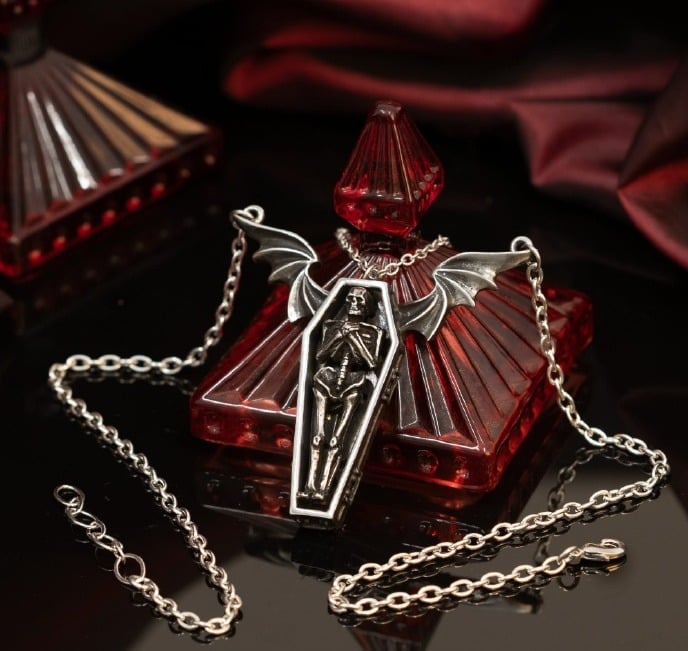
Symbolism and Motifs of Gothic Jewelry
Gothic jewelry is renowned for its powerful symbolism, with many designs rooted in themes of death, religion, and the occult. These symbols are often both personal and deeply cultural, reflecting a wearer’s desire to embrace the mystery and allure of the unknown.
| Motif | Typical Products | Symbolism / Meaning |
|---|---|---|
| Skulls & Skeletons | Skull rings, skull pendants, bone cuffs | Symbolize mortality, the fragility of life, acceptance of death, rebellion against norms |
| Religious Symbols | Cross necklaces, crucifix earrings, rosary-style chains | Represent faith, spirituality, or in counterculture Gothic—rebellion and reinterpretation of traditional religion |
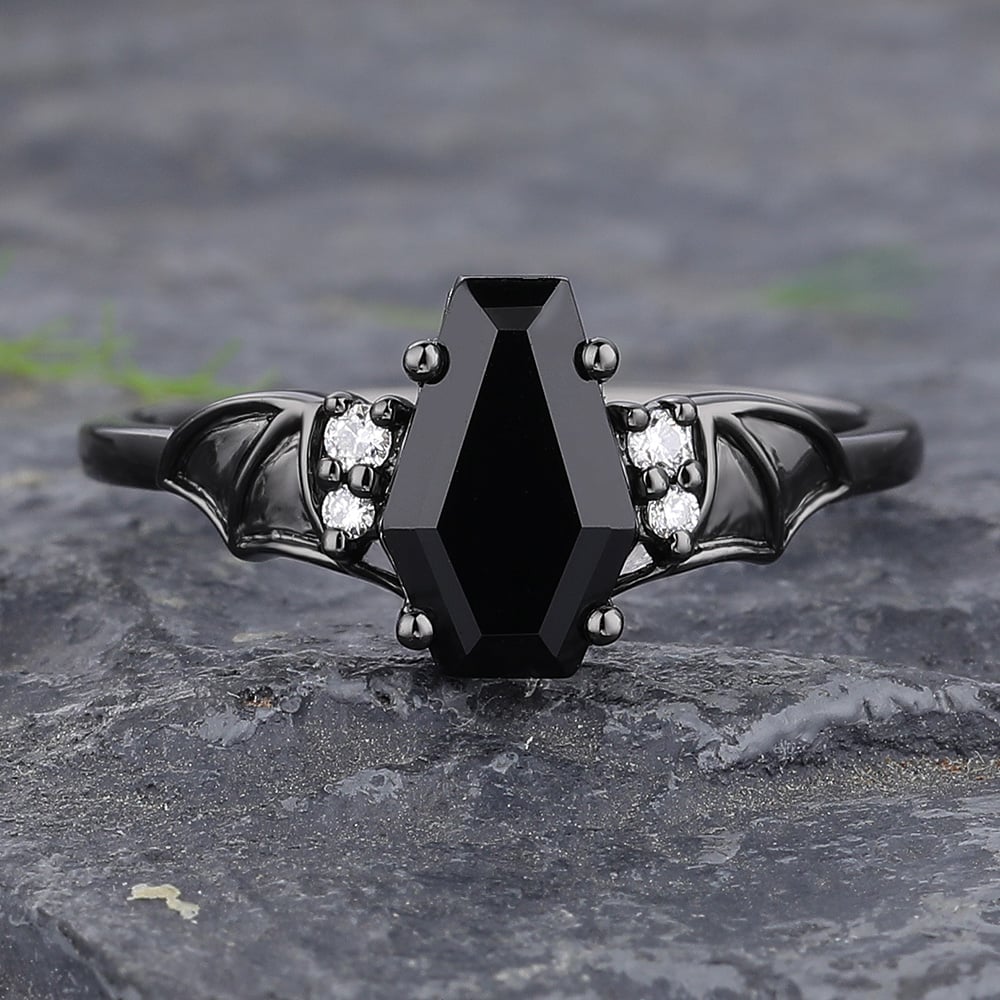
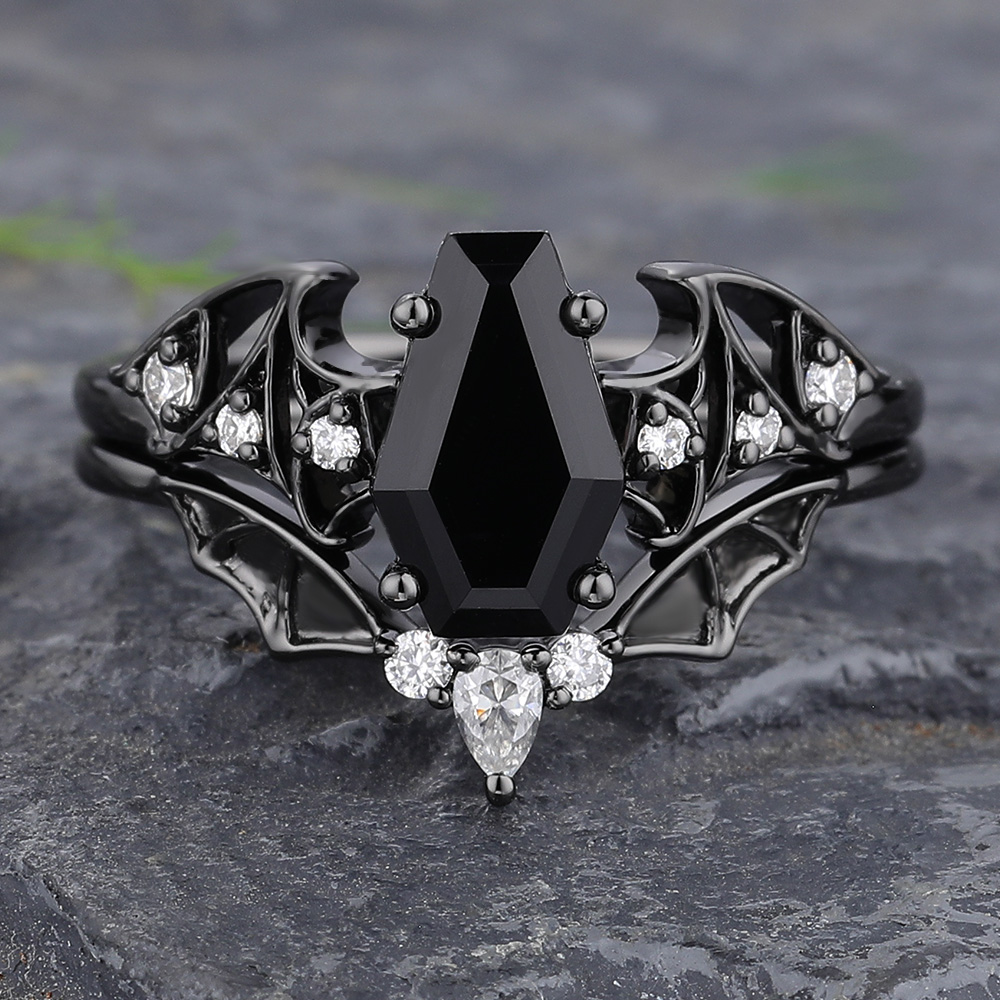
| Supernatural Creatures | Bat necklaces, raven earrings, spider rings | Represent mystery, the night, the occult, protection from dark forces, connection with the supernatural |
| Occult Symbols | Pentagram pendants, tarot-card necklaces, moon-phase rings | Express alternative spirituality, mysticism, inner wisdom, connection to magic and the esoteric |
| Dark Gemstones | Onyx rings, garnet chokers, amethyst pendants | Onyx = protection & grounding; Garnet = passion & strength; Amethyst = spiritual clarity & intuition |
| Black Metals & Ornate Filigree | Blackened silver chokers, filigree rings, lace-like metal cuffs | Symbolize elegance, mystery, Victorian romance, craftsmanship, and the beauty within darkness |
| Victorian Mourning | Jet jewelry, hair lockets, antique brooches | Represent remembrance, eternal love, loss, honoring the deceased |
Influences of Gothic Architecture
Gothic architecture, with its soaring cathedrals, pointed arches, and stained-glass windows, has had a profound influence on the design of vintage Gothic jewelry. The sharp lines and intricate details of Gothic cathedrals are mirrored in the designs of Gothic jewelry such as Gothic rings, necklaces, and brooches.Many gothic jewelry brands have embraced these architectural elements, creating pieces that reflect the dramatic beauty of the era. Additionally, gothic gold jewelry combines these elements with the timeless elegance of gold, offering a striking contrast between dark and light in a more luxurious form.
- Pointed Arches and Spires: Many Gothic jewelry pieces echo the spires and arches found in Gothic cathedrals. This is reflected in elongated forms, sharp angles, and architectural structures in jewelry designs, which often convey both strength and fragility.
- Stained Glass and Color: Just as stained-glass windows in Gothic architecture played with light and color, Gothic jewelry often features vibrant gemstones set in intricate patterns. The use of contrasting colors in metalwork, such as silver and blackened pewter, mirrors the light/dark dichotomy seen in Gothic art and architecture.
- Gothic Revival: In the 19th century, the Gothic Revival movement not only influenced architecture but also led to a resurgence of Gothic-inspired jewelry. Designers such as those from the Arts and Crafts movement began incorporating medieval-inspired motifs, like dragons, shields, and crosses, into their creations, emphasizing craftsmanship and ornamentation.
Gothic Jewelry in Modern Subcultures
High quality gothic jewelry became an integral part of the Goth subculture that emerged in the late 20th century. This subculture, characterized by its embrace of dark fashion, music, and philosophy, adopted Gothic jewelry as a means of expressing individuality, rebellion, and an affinity for the darker side of life.
- The Goth Subculture: The Goth movement, born out of the post-punk era, took inspiration from dark romanticism, Victorian aesthetics, and occult practices. Gothic jewelry became an important symbol within this subculture, with black clothing, heavy eyeliner, and dramatic accessories such as studded chokers, silver skull rings, and large pendants becoming ubiquitous in the Goth look.
- Punk and Metal Influence: Punk rock and metal music also had a significant impact on Gothic jewelry. Artists and musicians, such as Siouxsie Sioux and Robert Smith of The Cure, became style icons whose dark, dramatic accessories influenced mainstream fashion trends. Gothic style jewelry became a statement of defiance and individuality, breaking away from traditional norms.
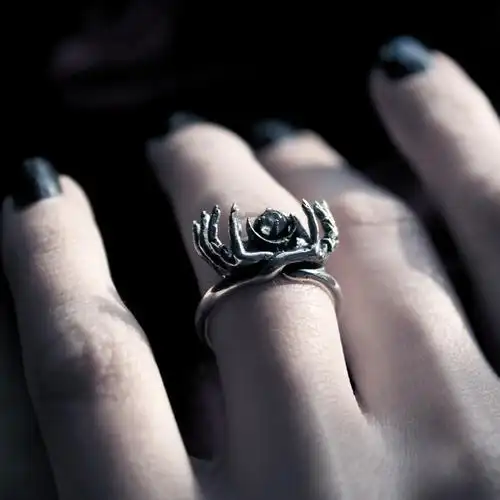
Religious Influences - Counterculture Gothic
Gothic jewelry often incorporates religious symbols, but these symbols are frequently turned on their heads, subverting traditional Christian iconography. This countercultural approach to religion and spirituality is a hallmark of modern Gothic jewelry.
- Rebellion Against Mainstream Religion: The use of inverted crosses or stylized religious icons in french christian gothic jewelry is often seen as a rebellion against traditional religious structures. For the Goth subculture, these symbols represent a desire to break free from mainstream religious dogma and explore alternative spiritualities or philosophies.
- Occult and Mysticism: Many Gothic jewelry for guys and gothic jewelry for women also feature occult symbols such as pentagrams, tarot card motifs, and moon phases. These symbols, such as Gothic cross jewelry, express an interest in the supernatural, astrology, and alternative belief systems that challenge traditional religious views.French Gothic jewelry is known for its rich history and unique interpretation of these themes, blending Gothic artistry with the allure of French craftsmanship.
Gothic Jewelry in Victorian Revival
The 19th-century Victorian Revival played a significant role in the resurgence of Gothic jewelry. Inspired by medieval and Gothic aesthetics, this period saw the revival of intricate designs, especially in mourning jewelry.
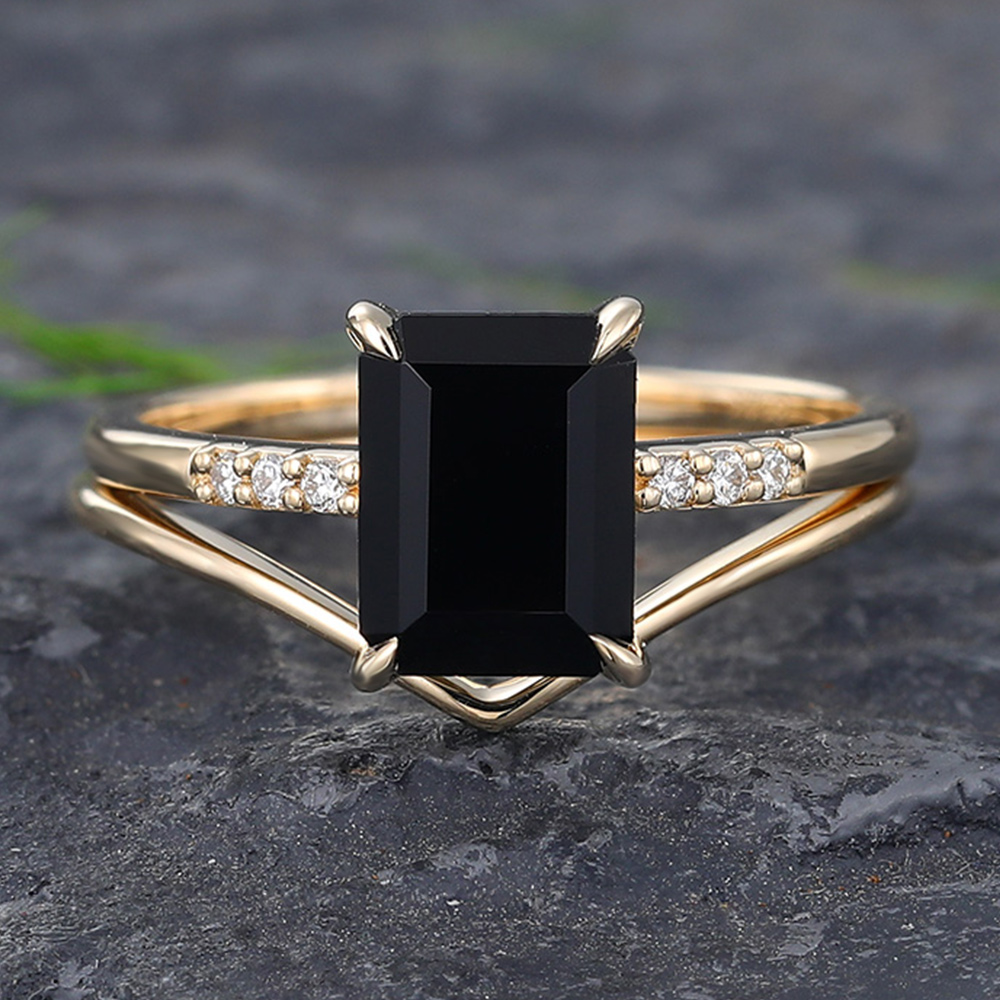
- Mourning Jewelry: Victorians often wore mourning jewelry as a way to honor and remember the deceased. These gothic victorian jewelry were made from dark materials like black onyx ,black gold and featured lockets containing photographs or hair of the deceased. The somber tone of mourning jewelry continues to influence contemporary Gothic jewelry designs, which often carry themes of death and remembrance.
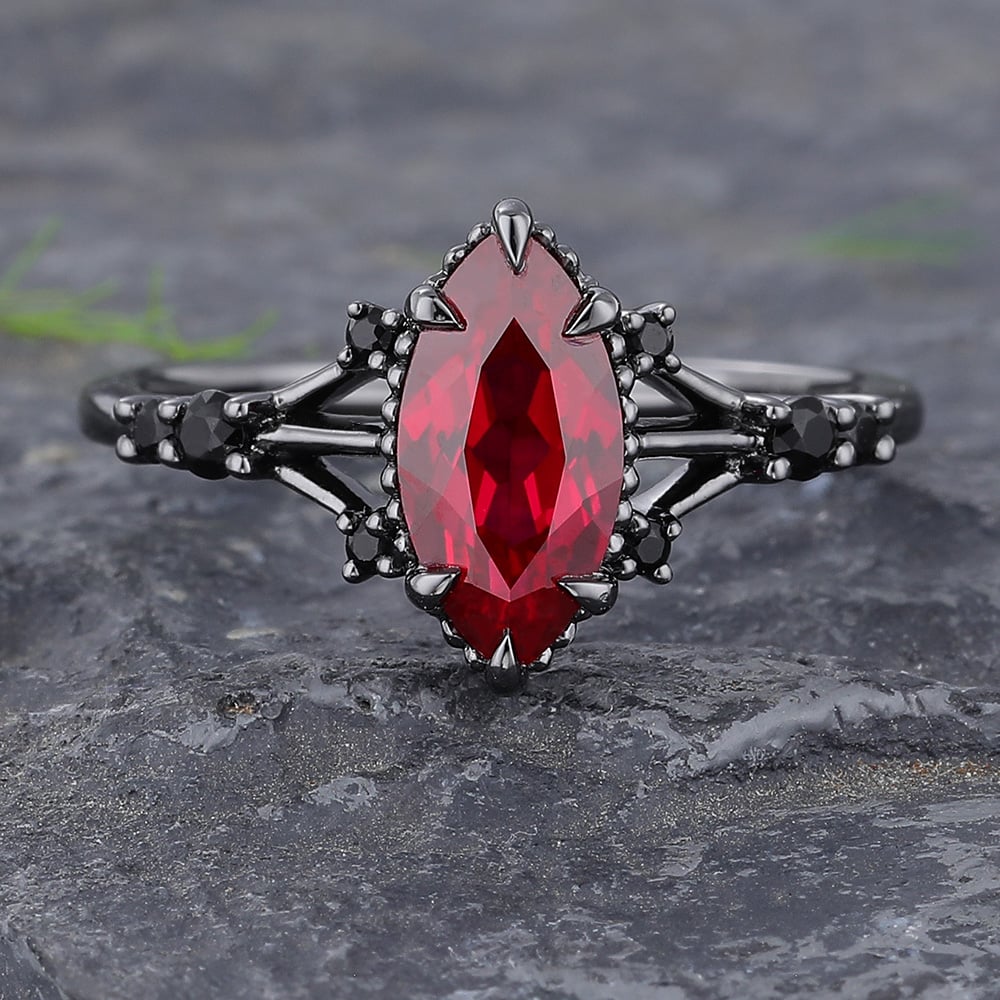
- Victorian Elegance: The Victorian Revival also brought ornate and detailed designs back into fashion. Jewelry from this period featured delicate filigree work, dark gemstones, and intricate motifs, all of which became key elements of the Gothic jewelry style.
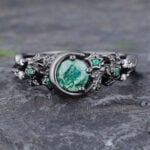
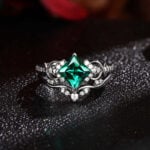
Popular Gothic Victorian Jewelry
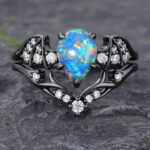
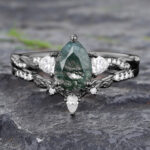
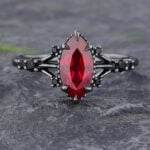

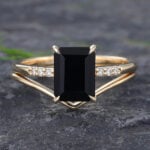



Gothic Jewelry in Modern Resurgences
In the 21st century, Gothic jewelry has experienced multiple resurgences, largely due to its appeal in high fashion, alternative cultures, and subcultures. The influence of Gothic jewelry continues to grow as it finds a place in both mainstream fashion and niche communities.
- Modern High Fashion: Designers such as Alexander McQueen and Givenchy have embraced Gothic-inspired jewelry, incorporating skulls, crosses, and dark gemstones into their collections. These high-fashion interpretations maintain the core Gothic elements while elevating them into glamorous, high-end gothic jewelry.
- Alternative Fashion and DIY Culture: Online platforms have allowed independent designers to showcase their Gothic jewelry creations. The DIY culture within the Goth community also ensures that Gothic jewelry remains both accessible and highly personal, with many pieces reflecting individual style and philosophy.
Conclusion
Gothic jewelry’s history reflects centuries of artistic evolution, cultural expression, and symbolic meaning. From its medieval architectural inspirations to its prominent place in modern subcultures, Gothic jewelry continues to captivate those drawn to darkness, mystery, and individuality. Its motifs—skulls, crosses, dark gemstones, and ornate metalwork—carry layers of symbolism that speak to themes of mortality, spirituality, and personal identity. As designers and wearers reinterpret the Gothic aesthetic for contemporary fashion, Gothic jewelry remains a timeless form of self-expression and emotional storytelling.
If you’re inspired by the beauty and depth of Gothic jewelry, discover more unique, handcrafted Gothic and alternative designs at Pattiring—click now to explore pieces that reflect your own dark elegance and personal style.
FAQs
What is Gothic jewelry?
Gothic jewelry is a style characterized by dark, dramatic, and intricate designs inspired by medieval art, Gothic architecture, Victorian mourning traditions, and modern subcultures. Common motifs include skulls, crosses, ravens, bats, and dark gemstones like onyx or garnet.
What inspired the Gothic style in jewelry?
The Gothic style draws inspiration from medieval architecture, religious symbolism, Victorian mourning jewelry, and Romantic literature. In modern times, punk rock, metal music, and the Goth subculture further shaped its aesthetic.
What do symbols like skulls and crosses mean in Gothic jewelry?
Skulls often represent mortality and life’s fleeting nature, while crosses can symbolize both faith and countercultural rebellion depending on their use. Other motifs—like bats, ravens, pentagrams, or moon phases—reflect themes of mystery, spirituality, and the supernatural.
Has Gothic jewelry become popular in mainstream fashion?
Yes. Many contemporary designers—including luxury fashion houses—incorporate Gothic elements like skulls, crosses, and black gemstones into their collections. Social media and independent creators also contribute to its growing popularity.
What materials are commonly used in Gothic jewelry?
Popular materials include blackened silver, pewter, stainless steel, and dark gemstones such as onyx, garnet, jet, and amethyst. These materials enhance the style’s dramatic and mysterious appeal.
Where can I find unique Gothic jewelry?
You can explore handcrafted, symbolic, and contemporary Gothic pieces at Pattiring, where designs blend traditional Gothic motifs with modern craftsmanship. Discover your next statement accessory by visiting the site today.


