














 Moissanite
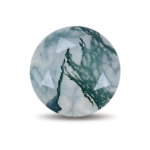
 Moss Agate
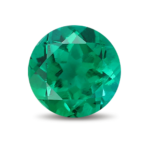
 Emerald
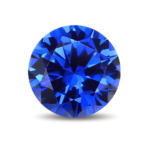
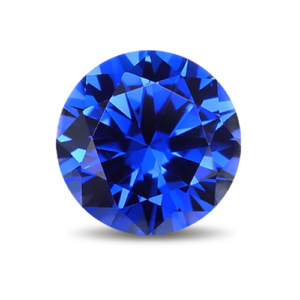 Sapphire
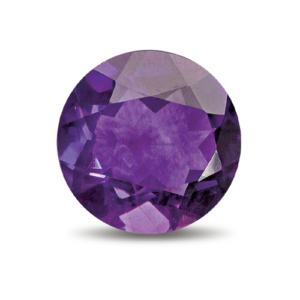 Amethyst
 Black Onyx
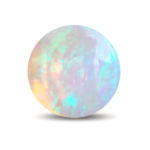
 Opal
Opal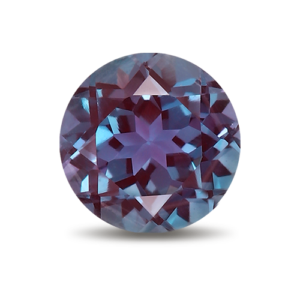 Alexandrite
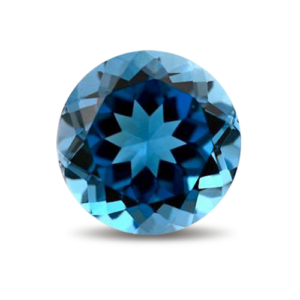 Topaz
Topaz Solitaire
 Halo
Halo
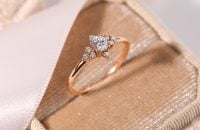
 Cluster
 Side Stone
 Pavé
Pavé
 Split Shank
 Art Nouveau
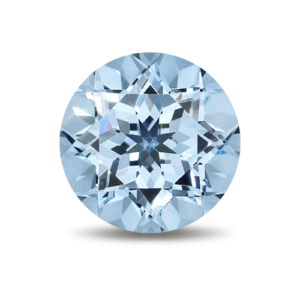 Aquamarine
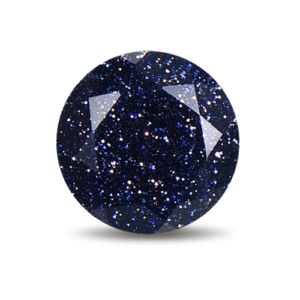 Blue Sandstone
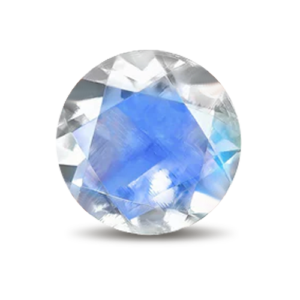 Moonstone
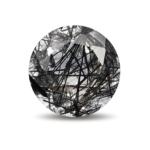
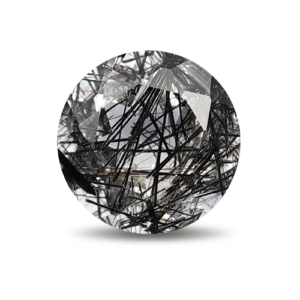 Black Rutilated Quartz
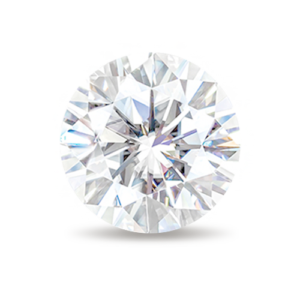 Lab Diamond
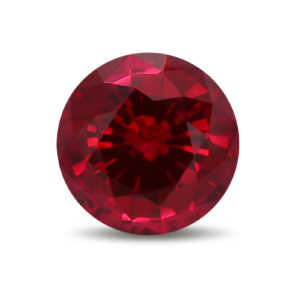 Ruby
Ruby
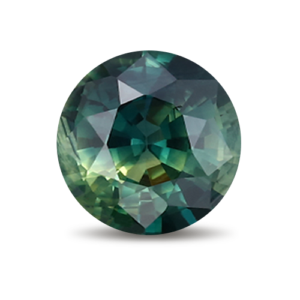 Teal Sapphire
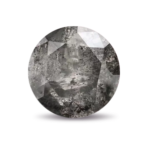
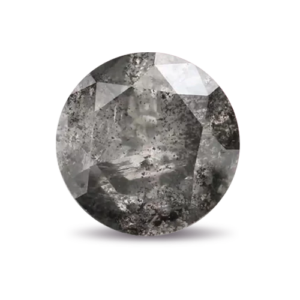 Salt & Pepper Diamond
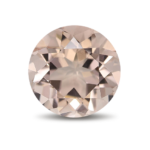
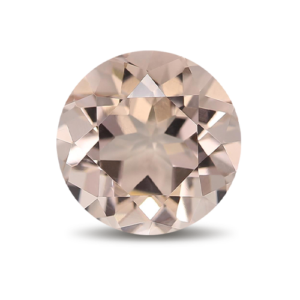 Morganite
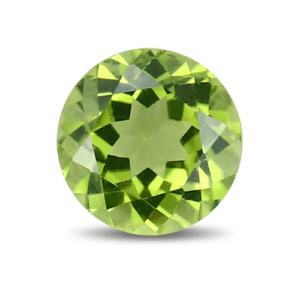 Peridot
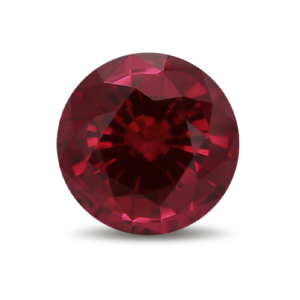 Garnet – January
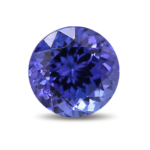
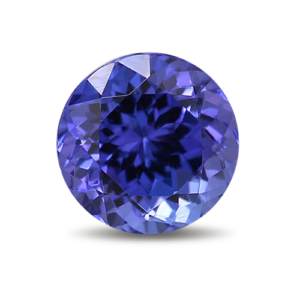 Tanzanite – December

Introduction
Purple gemstones are known for their striking beauty, rich symbolism, and wide range of uses—from fine jewelry to spiritual practices. For centuries, these stones have appeared in royal ornaments, ceremonial artifacts, and healing traditions. Their vivid purple hues have long represented luxury, wisdom, creativity, and mystery. Today, purple gemstones remain a popular choice for people seeking eye-catching jewelry, meaningful gifts, or stones believed to support emotional and spiritual balance. In this guide, we’ll explore what makes purple gemstones so captivating, highlight the most popular types, explain the symbolism behind their colors, and offer practical tips for choosing and caring for these distinctive gems.
The Allure of Purple Gemstones
Purple gemstones captivate jewelry lovers and collectors alike with their rich hues, radiant glow, and distinct visual qualities. While the color purple has long symbolized royalty, imagination, and spiritual depth, each purple gemstone displays this color in its own unique way. Purple colored gemstones range from soft, pastel lavenders to deep and intense dark purple gemstones, offering endless variety for different tastes and styles.Yet not all purple colored gemstones are the same—each stone offers a unique mixture of hue, brilliance, and optical behavior. From soft lavender quartz to deep, dark purple gemstones like high-quality amethyst, This combination of color variation, luster, and unique visual behavior is what makes purple gemstones so alluring and sought after.
Color Spectrum and Variations
One of the most captivating features of purple gemstones is their wide color spectrum. The shades range from pale lavender to saturated violet, and even rare blue purple gemstones that blend cool blue tones with warm purple hues.For example:
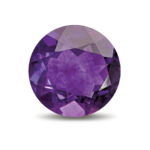
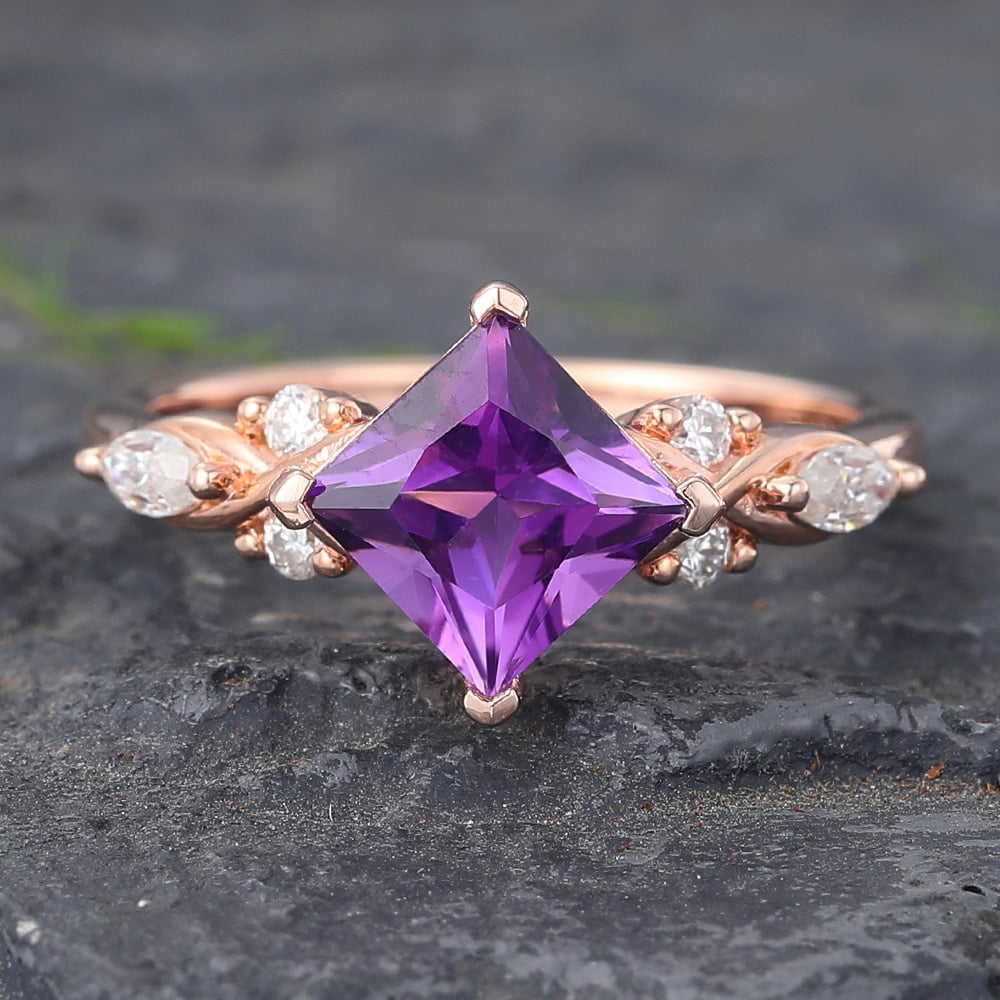
- Amethyst typically displays soft lilac to vivid violet.
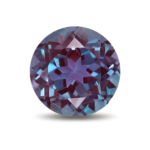
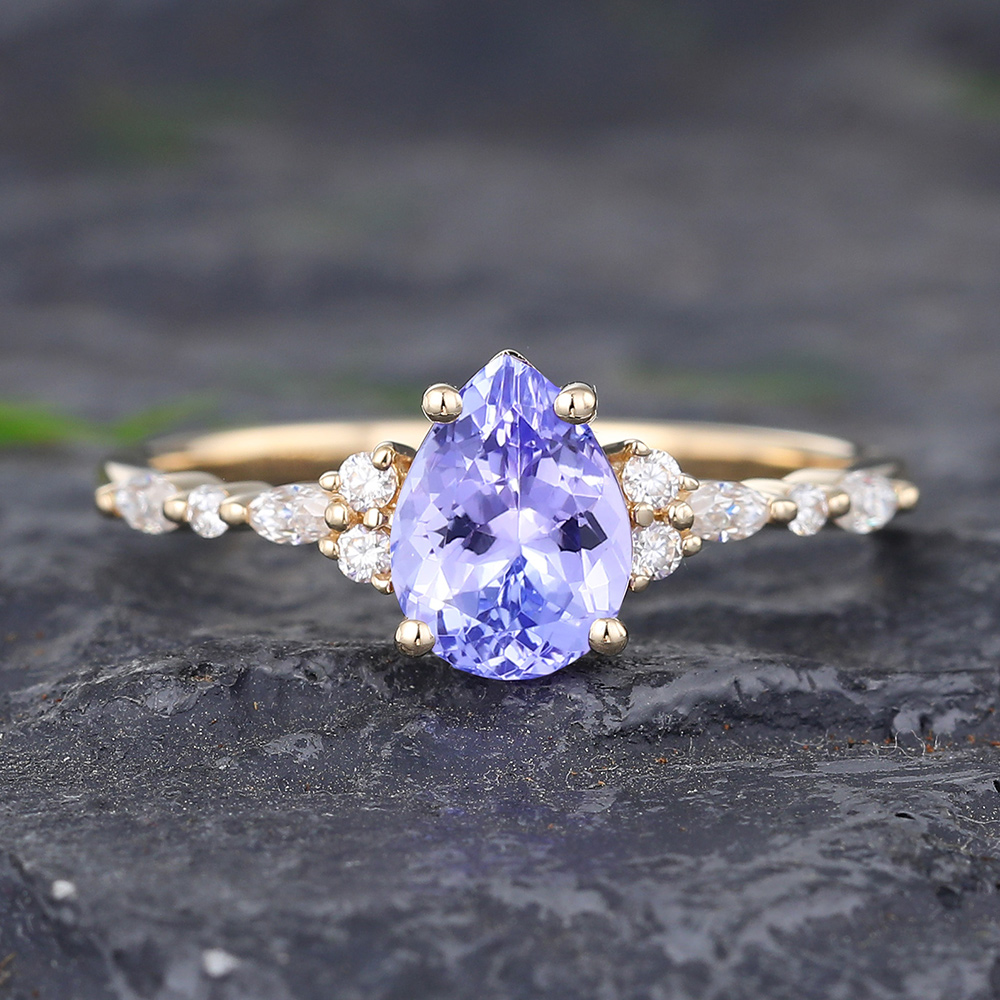
- Tanzanite, a blue and purple gemstone, can shift between blue, violet, and burgundy depending on the light source—an effect known as pleochroism.
- Purple sapphire and other dark purple gemstones show deeper, more intense tones for those who prefer a bold, dramatic look.
These natural color differences make purple gemstones incredibly dynamic, allowing each gem to express its own personality.
Luster and Light Play
Luster is another important factor that shapes the beauty of a purple gemstone.
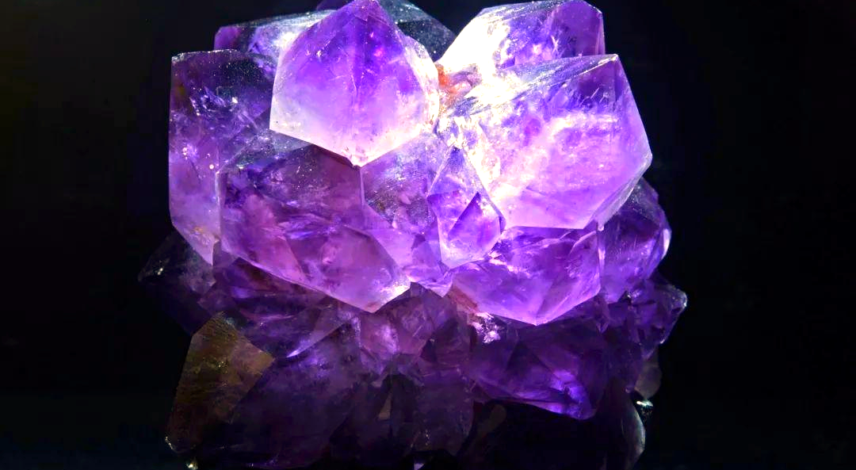
- Amethyst features a bright vitreous (glass-like) luster that enhances clarity and sparkle, making it ideal for jewelry that catches the light.
- Charoite, on the other hand, has a silky, fibrous texture with swirling patterns, creating a softer, more mystical glow rather than sharp brilliance.
Whether you prefer a highly reflective shine or a velvety, intricate surface, purple colored gemstones offer a wide range of light effects to suit different jewelry styles.
Visual Differences Among Purple Gemstones
Beyond color and luster, purple gemstones display notable visual differences that make each variety unique:
- Clarity Variations
Some gemstones, like high-grade amethyst, are often eye-clean, while others—such as charoite—naturally contain swirls, patterns, or inclusions that add artistic appeal. - Internal Patterns
Charoite displays distinctive feather-like or swirling patterns, giving it an almost painted appearance. In contrast, gemstones like purple sapphire or spinel tend to have solid, uniform color. - Optical Effects
Tanzanite and certain blue and purple gemstones showcase dramatic pleochroism, appearing blue from one angle, violet from another, and even reddish-purple under warm lighting. This effect gives them a constantly shifting beauty that makes them highly desirable. - Depth of Tone
Some stones lean toward deep, dark purple gemstone tones—ideal for luxurious and bold jewelry. Others display pastel or lavender shades, offering a softer, more delicate aesthetic.
These visual differences ensure that whether someone is searching for a calm lavender stone, a bright violet gem, or a vibrant blue-purple gemstone with shifting hues, there is a perfect option within the purple gemstone family.
Common and Popular Purple Gemstones
When people search what gemstone is purple, they often discover a wide range of options. The purple gemstone names below represent some of the most popular and widely admired stones. This list of purple gemstones highlights both classic favorites and more unique varieties, each offering its own beauty and significance.
Amethyst
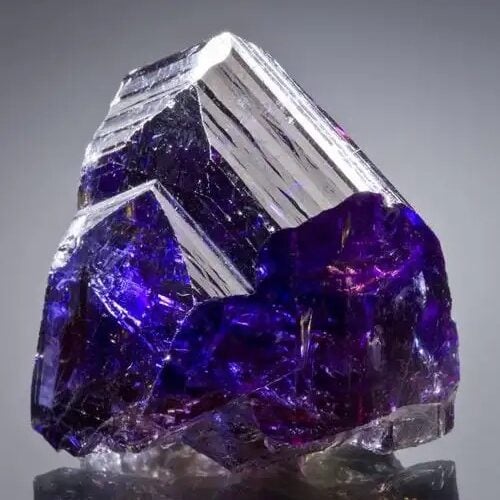
Amethyst is one of the most recognized answers to what gemstone is purple. As the most famous member of the quartz family, it appears in shades ranging from soft lavender to rich, dark purple. Known for its excellent clarity and vivid color, Amethyst remains one of the most popular purple gemstone names for rings, earrings, and necklaces. In addition to its beauty, Amethyst is cherished for its calming and balancing properties. Its durability, affordability, and wide availability make it ideal for both new collectors and experienced jewelry lovers.
Tanzanite
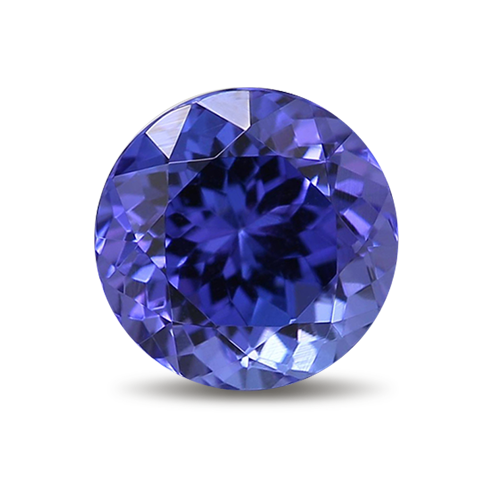
Tanzanite is a standout on any list of purple gemstones due to its striking ability to shift between blue, violet, and purple. First discovered in Tanzania in the 1960s, this rare gemstone quickly became prized for its dazzling pleochroism and deep, luxurious tones. Often considered a premium or luxury purple gemstone, Tanzanite is commonly used in high-end jewelry—especially engagement rings and statement pieces that celebrate its dramatic color.
Charoite
Charoite is a more unusual addition to the list of purple gemstones and is perfect for those drawn to artistic or spiritual designs. It is instantly recognizable for its swirling lavender-to-deep-purple patterns and its unique fibrous texture, unlike any other purple gemstone. As one of the rarer purple gemstone names, Charoite appeals to collectors seeking something truly distinctive. It is also associated with transformation, spiritual growth, and emotional strength, making it popular among those who choose gemstones for both beauty and meaning.
Amethyst
Tanzanite
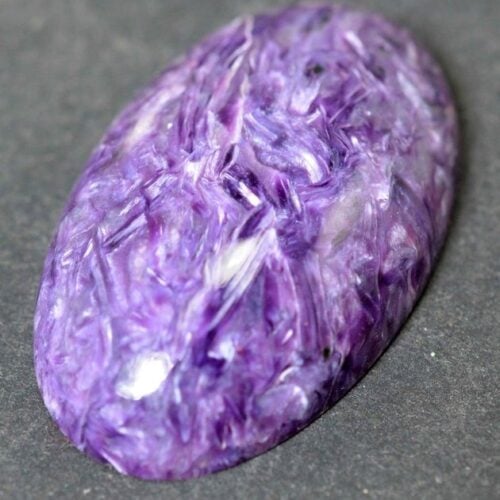
Charoite
The Meaning and Symbolism of Purple Gemstones
Purple gemstones carry deep symbolic meanings that trace back through centuries of culture, spirituality, and tradition. Historically linked to royalty, nobility, and divine power, natural purple gemstones have long been considered some of the most meaningful and spiritually rich stones. Whether common or a rare purple gemstone, each variety holds unique symbolism and energy that appeals to collectors and spiritual seekers alike. Many precious purple gemstones are also chosen for their metaphysical properties, offering both beauty and deeper intention.
- Amethyst: Amethyst is one of the most widely cherished natural purple gemstones and is often called the “stone of peace.” It is believed to promote balance, emotional calmness, and inner tranquility. For centuries, people have used Amethyst in meditation to relieve stress, enhance clarity, and support better decision-making. Considered one of the most accessible yet precious purple gemstones, it symbolizes sobriety, wisdom, and spiritual awareness.
- Tanzanite: Tanzanite is frequently regarded as a rare purple gemstone with powerful symbolic associations. Its ability to shift between blue and violet hues represents transformation, adaptability, and spiritual evolution. Many wearers choose Tanzanite to enhance intuition, encourage positive life changes, and support personal growth. As one of the most highly valued precious purple gemstones, it is often associated with vision, enlightenment, and emotional renewal.
- Charoite: Charoite is another rare purple gemstone celebrated for its striking patterns and strong metaphysical properties. Often connected with healing and emotional cleansing, Charoite is believed to help individuals release negative energy and foster emotional stability. Many spiritual practitioners regard Charoite as a stone of awakening, using it to deepen intuition and develop psychic abilities. Its unique appearance and energy make it one of the most meaningful natural purple gemstones for transformation and spiritual insight.
Recommended Uses for Purple Gemstones
Purple gemstones are incredibly versatile, and their wide range of colors and meanings makes them suitable for a variety of uses. Here are some popular applications:
| Use Case | Best Purple Gemstones | Reason |
|---|---|---|
| Engagement Rings | Amethyst, Tanzanite | Affordable elegance; luxurious unique color. |
| Wedding Bands | Amethyst, Purple Sapphire | Symbolic, durable, distinctive color accents. |
| Necklaces & Pendants | Tanzanite, Charoite, Amethyst | Bold colors; eye-catching focal stones. |
| Earrings | Amethyst, Tanzanite, Spinel | Lightweight sparkle; versatile for daily wear. |
| Healing & Meditation | Amethyst, Charoite | Promotes peace, balance, emotional healing. |
| Gift Giving | Amethyst, Tanzanite, Charoite | Meaningful symbolism; suitable for many occasions. |
Buying and Caring for Purple Gemstones
When selecting and maintaining purple gemstone jewelry (or loose stones), paying attention to their physical properties and care requirements ensures lasting beauty and value. Below are key considerations and detailed tips to guide you.
Choosing the Right Purple Gemstone
- Color: When selecting a purple gemstone, consider the shade of purple that appeals to you most. Lighter shades like lavender are often more affordable, while darker shades like deep violet tend to be rarer and more expensive.
- Clarity: Check for any inclusions or imperfections. High-quality gemstones will have fewer visible flaws.Inspect the gemstone under good light (natural daylight if possible). High-quality stones have minimal visible inclusions or fractures.Minor inclusions are common — but large fractures or visible cracks may affect durability, especially under daily wear.
- Hardness: Some purple gemstones, like Amethyst, are relatively durable and suitable for daily wear. Others, like Tanzanite, are more fragile and require special care.
- Source & Certification: For rare or expensive purple gemstones (e.g. Tanzanite, rare spinel or sapphire), consider buying from reputable jewelers who provide gemstone identification or lab certification. This helps ensure authenticity and protects your investment.
Caring for Your Purple Gemstones
- Avoid Harsh Chemicals: Keep your purple gemstones away from strong chemicals, including perfumes and cleaning agents, as they can damage the stone.
- Clean Gently: Clean your gemstones with a soft cloth and lukewarm water. For deeper cleaning, a gem cleaner solution can be used, but make sure to follow the manufacturer’s instructions.
- Store Properly: Store gemstones separately to prevent scratching. Keep them in a soft pouch or a compartmentalized jewelry box.
- Keep away from direct sunlight, high heat, or rapid temperature changes: Some stones (including quartz family gems like Amethyst) may fade or change color slightly if exposed to prolonged strong sunlight or heat.
Conclusion
Purple gemstones offer a wealth of beauty, meaning, and versatility. From the peaceful Amethyst to the transformative Tanzanite, these purple gems and charoite gemstones are perfect for anyone looking to add a pop of color and spiritual significance to their collection. Whether you’re drawn to deep purple crystals, soft lavender tones, or richly saturated purple gemstones, there is a purple gem stone suited for every style and purpose. Whether you’re shopping for an engagement ring, a statement piece, or a meaningful gift, there’s a purple gemstone that’s right for you.
When choosing a purple gemstone, consider factors like color, clarity, and durability, and remember to care for your stone properly to preserve its beauty. With their timeless appeal and rich symbolism, purple gems will continue to be treasured for generations to come.
If you’re ready to explore high-quality purple gemstones or need guidance in choosing the perfect piece, visit pattiring. Their curated selection and expert support make it easy to find a purple crystal or violet gem that matches your style, budget, and meaning. Discover your next purple treasure today!
FAQs
What are the most popular purple gemstones?
Some of the most popular purple gemstones include Amethyst, Tanzanite, Charoite, Sapphire, Lepidolite, and Fluorite. These stones are also among the most frequently searched purple gemstone names thanks to their beauty, durability, and rich symbolism. Amethyst remains the most iconic purple gem stone due to its affordability and wide availability.
What gemstone is naturally purple?
Amethyst is the best-known naturally purple gemstone, but others like Charoite, Sugilite, and Purple Sapphire also occur naturally. These purple gems vary in color intensity from soft lavender to deep violet, offering something for every taste. Tanzanite, while often blue-purple, is another highly sought-after violet gem.
Are purple crystals good for healing or spiritual purposes?
Yes. Many people use purple crystals such as Amethyst, Lepidolite, and Charoite for emotional balance, stress relief, and spiritual clarity. Among all purple gemstone names, Amethyst is particularly recognized as a “stone of peace” that supports meditation and intuition.
Which purple gem is best for jewelry?
If you want durability for daily wear, Amethyst and Sapphire are excellent choices. For luxury pieces, Tanzanite is one of the most captivating purple gems due to its color-shifting blue-purple tones. If you prefer something rare and artistic, Charoite offers unique patterns not seen in other purple gemstones.
Why do some purple gemstones look blue or violet in different lighting?
Some purple gemstones, especially Tanzanite, exhibit pleochroism—a natural optical effect that makes the stone appear blue, purple, or violet depending on the angle. This is why certain purple gem stones may look slightly blue or more saturated in different lighting.
Are dark purple gemstones more valuable?
Often, yes. Deep, saturated purple colors are typically rarer and therefore more valuable. High-quality dark purple gems such as premium Amethyst or Purple Sapphire can command higher prices. However, gemstone value also depends on clarity, cut, and rarity—not just color.
How do I choose the right purple gemstone for an engagement ring?
Consider durability, color, and symbolism. Tanzanite offers a luxurious violet-blue color but needs extra care. Amethyst is more affordable and works beautifully in modern designs. For long-term durability, Purple Sapphire is one of the strongest purple gems suitable for daily wear.


