



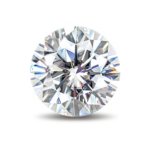












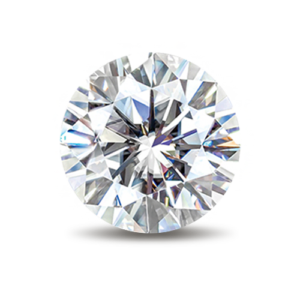
 Moissanite
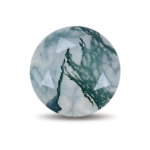
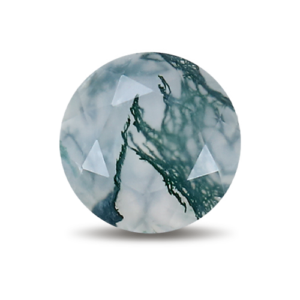 Moss Agate
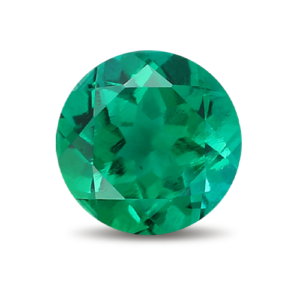 Emerald
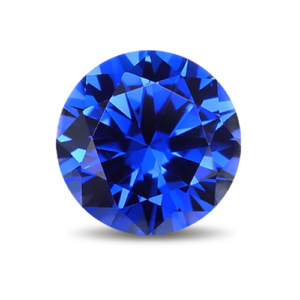 Sapphire
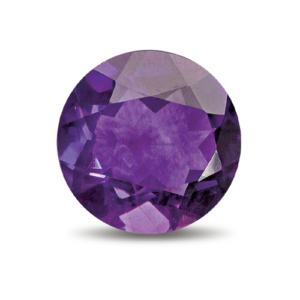 Amethyst
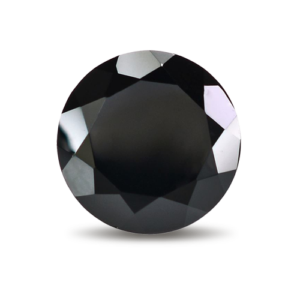 Black Onyx
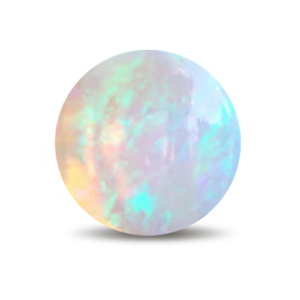 Opal
Opal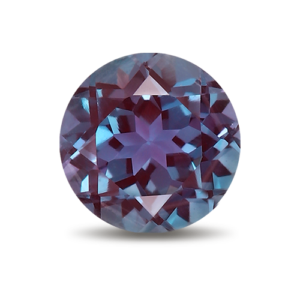 Alexandrite
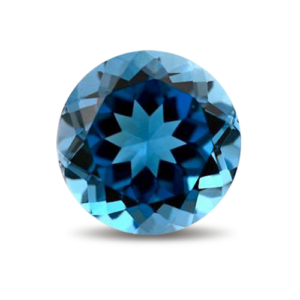 Topaz
Topaz Solitaire
 Halo
Halo
 Cluster
 Side Stone
 Pavé
Pavé
 Split Shank
 Art Nouveau
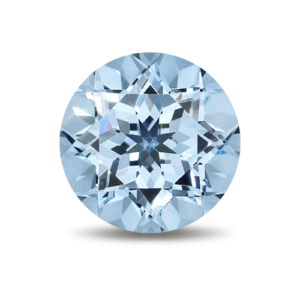 Aquamarine
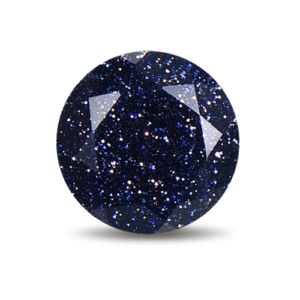 Blue Sandstone
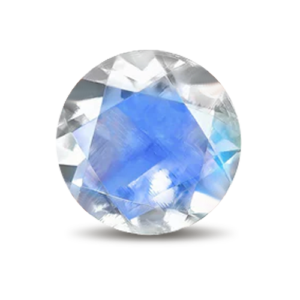 Moonstone
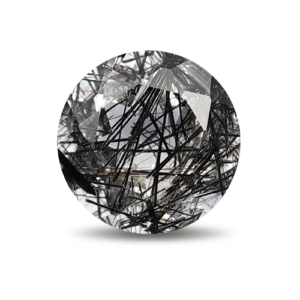 Black Rutilated Quartz
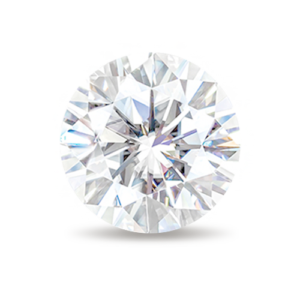 Lab Diamond
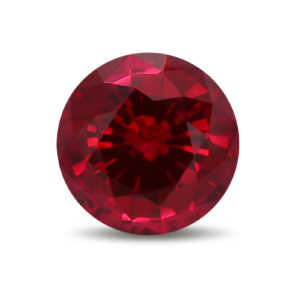 Ruby
Ruby
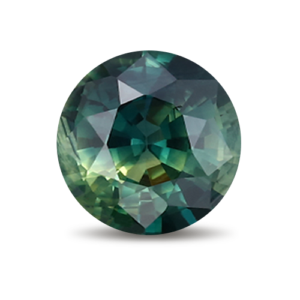 Teal Sapphire
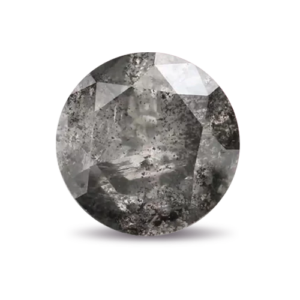 Salt & Pepper Diamond
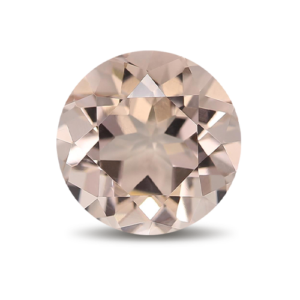 Morganite
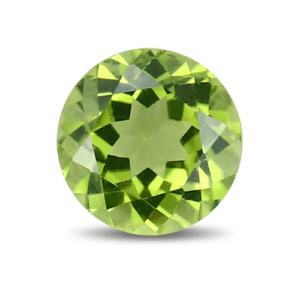 Peridot
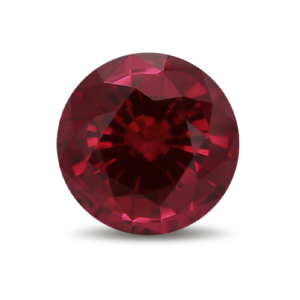 Garnet – January
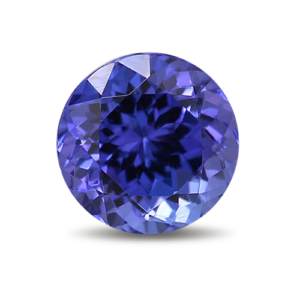 Tanzanite – December


Have you ever been drawn to the enchanting green color of sapphires? Would you like to know what factors determine the price of a green sapphire? Green Sapphire, as a precious gemstone, is priced according to many factors that influence the price. From color shades to internal imperfections, from cutting methods to provenance, every detail can make a huge difference in price.
What is a Green Sapphire?
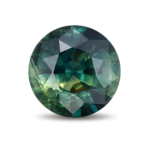
Green sapphire is a rare and precious gemstone that belongs to the corundum family of minerals, which also includes rubies and blue sapphires. Green sapphires range in color from pale mint green to deep forest green. Its distinctive green color comes from the presence of iron during its formation. Green sapphires can be found in several locations such as Sri Lanka, Madagascar, and Australia. Green sapphires rank 9 on the Mohs scale, making them suitable for jewelry and everyday wear.
What Does Green Sapphire Mean?
Trust, loyalty, and integrity: Green sapphires are believed to symbolize these qualities. They are thought to promote wisdom and help in making sound decisions.
Love, thoughtfulness, and peace: Wearing green sapphire jewelry is thought to promote these positive emotions. Its healing properties are believed to aid in emotional healing and physical well-being.
Rebirth and new beginnings: The green color of the green sapphire symbolizes nature, growth, and renewal. This makes it a powerful stone for those seeking personal growth and transformation.
Harmony and balance: Green sapphires are believed to bring balance within oneself and in relationships to various aspects of life, including emotional and mental balance. It is often associated with peace and tranquility.
Heart Chakra: Green sapphires are often associated with the heart chakra, symbolizing love, compassion, and emotional well-being.
How Much Does a Green Sapphire Cost?
The price of a green sapphire can vary greatly depending on several factors, including the 4Cs (color, clarity, carat, and cut), origin, and market trends…
Here’s a general price range for green sapphires:
- Small, low-grade green sapphires: $50 to $100 per carat.
- Medium, good quality green sapphires: $100 to $300 per carat.
- Large, high-quality green sapphires: $300 to $1000 per carat or more.
- Exceptional, high-quality green sapphires: more than $8,000 per carat.

Factors Affecting the Value of Green Sapphires
Color
Color can be broken down into three parts: Saturation, Hue, and Tone. Saturation refers to the intensity or vividness of the color. A more saturated color is more valuable. The color of green sapphires ranges from pale to deep green. Vivid, bright green colors are the most desirable and valuable, especially those with “grass green” or “forest green” tones. Green sapphire hue refers to a specific shade of green, ranging from light mint to deep forest green. An ideal green sapphire should have a uniform hue, with no noticeable color zoning or shading. Hue reflects the lightness or darkness of the color. A medium to dark hue is generally preferred. In addition to these three elements, you should also consider the color change characteristics. Some stones show different colors under different lighting conditions, which can increase their value.
Clarity
The factors that affect clarity include inclusions, flaws, and treatment. Inclusions are internal features or “flaws” within the gemstone. Minimal inclusions (such as bubbles or mineral deposits) reduce the value of a stone, while high clarity is more desirable. Flaws are surface imperfections or damage to the gemstone. green sapphires can have inclusions or flaws. However, these are often less visible due to the color of the stone. Fewer inclusions generally mean a higher price. Some sapphires are treated to improve clarity, these are called treated sapphires. Untreated, natural sapphires are generally more valuable than treated sapphires.
Carat Weight
Larger gemstones are generally more valuable, all other factors being equal. As the carat weight increases, so does the rarity of the sapphire. High-quality green sapphires over 5 carats are particularly rare, resulting in a significant price increase. However, the quality of the stone is also an important factor.
Cut
The cut of a green sapphire affects its brilliance and overall appearance. A well-cut green sapphire stone will enhance its light reflection and refraction, increasing its aesthetic appeal and market value. So what types of cuts are considered to be well cut? Cut proportion, quality, polish, and shape determine whether a cut is good or bad. The precision and proportion of the cut directly affect the brilliance and fire of the stone. A highly polished oval or round cut can enhance the luster of a green sapphire.
Origin
The origin of a green sapphire can affect its price and quality. Certain regions are known for producing high-quality green sapphires. These include Sri Lanka, Madagascar, and Australia. Stones from these areas tend to be more desirable. Sapphires from a variety of origins can produce stones with unique colors and characteristics.
Market Demand
Demand for sapphires can fluctuate over time due to fashion trends or designer endorsements, which may have an impact on the popularity of certain colors or types.
How Ethical is Green Sapphire?
Like any gemstone, the ethical sourcing of green sapphires depends on specific mines and practices. In general, there are fewer conflicts than with diamonds. However, it’s important to choose ethically sourced stones. Consider lab-grown sapphires as an ethical alternative. They offer similar beauty and durability without the environmental and social concerns associated with mining.

Green Sapphire vs. Emerald
Green sapphires and emeralds are both stunning gemstones with a captivating green hue. While they share a similar appearance, they have distinct characteristics that set them apart.
Color
- Green Sapphire: Can range from light to deep green, with the most sought-after stones being vibrant and well-saturated.
- Emerald: Typically has a rich, vibrant green color, often with a slight bluish tint. The best emeralds have a deep, consistent color.
Durability
- Green Sapphire: Very durable, ranking 9 on the Mohs scale, making it suitable for everyday wear.
- Emerald: Less durable, about 7.5 to 8 on the Mohs scale. Still suitable for daily use.
Value
- Green Sapphire: Prices can vary widely depending on color, clarity, and size, but are often less expensive than high-quality emeralds.
- Emerald: High-quality emeralds, especially those with rich color and good clarity, can be very expensive, often exceeding the price of sapphires.
How to Choose a Green Sapphire Ring?
- Evaluate the 4 Cs: Focus on vivid color, high clarity, excellent cut, and desired carat weight.
- Choose the right setting: Choose a metal (white gold, yellow gold, platinum) and style (solitaire, halo) that complements the stone.
- Research reputable jewelers: Buy from trusted sources that offer certification and transparency.
- Set a Budget: Determine your budget to narrow down your options.
- Consider Comfort: Make sure the ring fits well and is comfortable for daily wear.
- Seek Expert Advice: Consult a gemologist or knowledgeable jeweler.
- Follow Your Instincts: Choose a sapphire that resonates with you personally.
Conclusion
There are many factors that affect the value of green sapphires, but one thing is certain: at Patti Ring, you can find a sapphire ring at an affordable price and with guaranteed quality. We also support customized services. You can choose the size, color, and clarity of the stone according to your preference and combine it with different metals and styles!
Green Sapphire FAQs
Yes, green sapphires are considered rare, especially high-quality stones with vivid colors. They are less common than other colored sapphires such as blue, yellow, or pink. Their rarity contributes to their value and desirability.
Yes, green sapphires are rare and can be expensive, especially for high-quality stones. However, you can find more affordable options at Patti Ring, such as smaller stones or lab-grown sapphires.
A high-quality 1-carat sapphire can range from $500 to $3,000 per carat. However, exceptional sapphires, especially those from renowned sources such as Kashmir or Burma, can fetch much higher prices.
Green sapphire rings are typically worn on the ring finger of the left hand to symbolize commitment or love. However, you can wear it on any finger depending on your personal preference and style.


