

































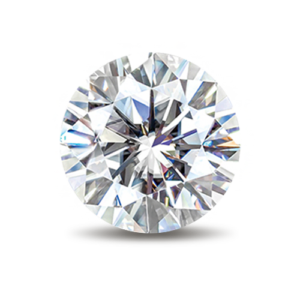
 Moissanite
 Moss Agate
 Emerald
 Sapphire
 Amethyst
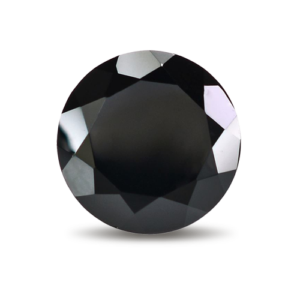 Black Onyx
 Opal
Opal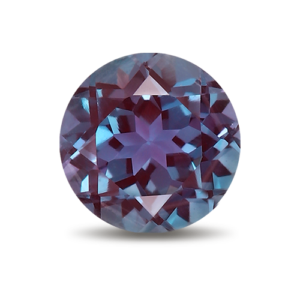 Alexandrite
 Topaz
Topaz Solitaire
 Halo
Halo
 Cluster
 Side Stone
 Pavé
Pavé
 Split Shank
 Art Nouveau
 Aquamarine
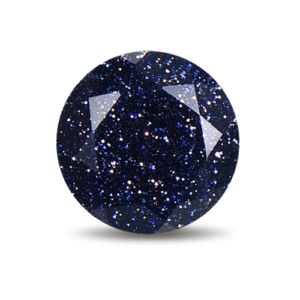 Blue Sandstone
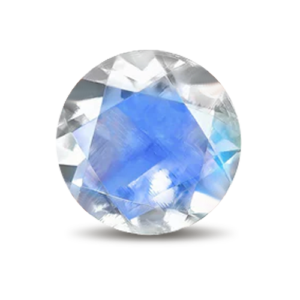 Moonstone
 Black Rutilated Quartz
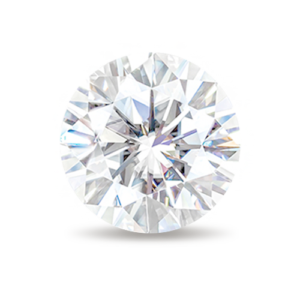 Lab Diamond
 Ruby
Ruby
 Teal Sapphire
 Salt & Pepper Diamond
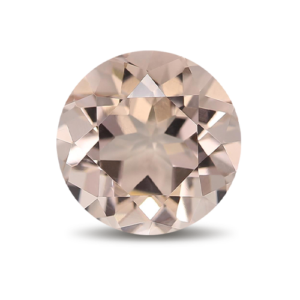 Morganite
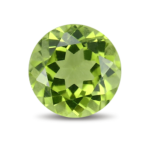
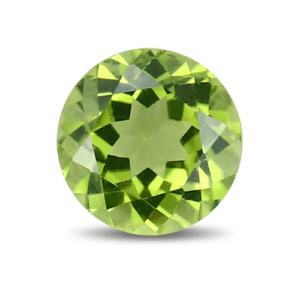 Peridot
 Garnet – January
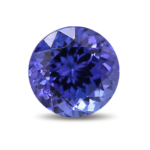
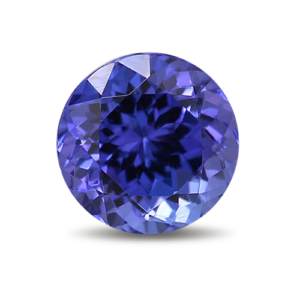 Tanzanite – December

Real Alexandrite Worth: Price, Color Change, and How to Tell If It’s Genuine
by PattiRing 0 commentsFew gemstones in the world can rival the mystery and beauty of alexandrite. Known for its magical ability to change color—from vibrant green in daylight to deep red or purple under warm light—this stone has fascinated collectors and jewelry lovers for nearly two centuries. Because of its rarity, real alexandrite is one of the most valuable gemstones on the market, often commanding prices higher than many diamonds.
But with such high demand, imitations and lab-grown versions have become common. If you’re curious about how much alexandrite is worth, what gives it its unique glow, and how to tell whether a stone is genuine, this guide will help you make an informed choice.
The Origins and Rarity of Alexandrite
Discovered in the 1830s in Russia’s Ural Mountains, alexandrite was named in honor of Tsar Alexander II. It is a rare variety of chrysoberyl, and its distinct color-changing property is caused by trace amounts of chromium. Today, high-quality natural alexandrite is mined in Brazil, Sri Lanka, Tanzania, and occasionally in India and Madagascar.
Because the conditions required to form alexandrite are so unusual, the gemstone remains incredibly scarce. This rarity is a major reason why alexandrite stones are so valuable and sought after by collectors around the world.
How Much Is Real Alexandrite Worth?
The price of alexandrite depends on a combination of factors: the strength of its color change, clarity, cut, size, and origin. Stones with vivid, dramatic shifts between green and red are the most prized.
Quality | Description | Price (Per Carat) |
Commercial | Weak or minimal color change | $1,000–$3,000 |
Fine | Distinct green-to-red change, small inclusions | $5,000–$15,000 |
Exceptional | Strong color change, eye-clean clarity | $20,000–$50,000+ |
Russian alexandrite remains the benchmark for quality, while Brazilian and Sri Lankan stones often display lighter hues.
For comparison, lab-grown alexandrite—created in controlled environments—typically sells for $200–$800 per carat. It offers similar appearance but lacks the geological rarity and investment value of natural stones.
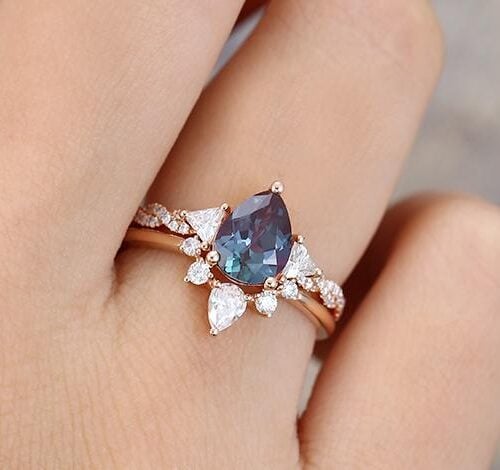
Pattiring Vintage Pear Shaped Alexandrite Rose Gold Engagement Ring Set
The Enchantment of Color Change
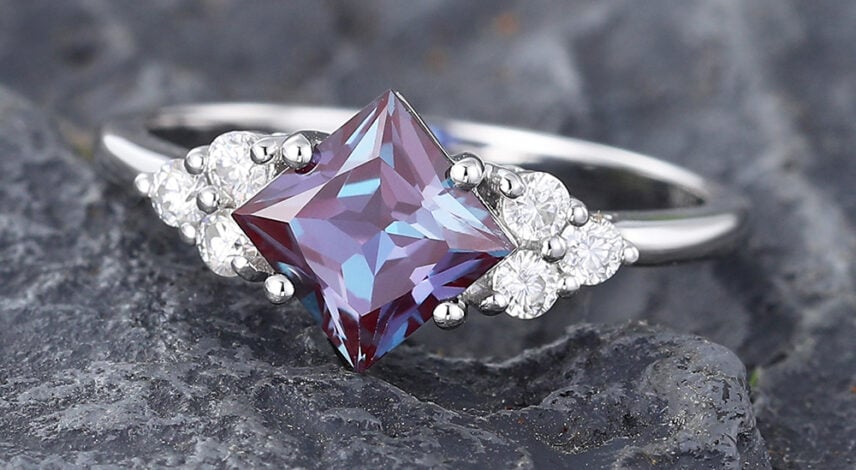
The most mesmerizing aspect of alexandrite gemstones is their ability to shift color depending on the light source. Under daylight or fluorescent light, the gem appears green or bluish-green. Under incandescent or candlelight, it turns red or purplish. This optical phenomenon, called pleochroism, makes alexandrite appear as though it contains two souls.
Different origins produce subtle variations:
- Russian alexandrite: Deep green to ruby red
- Brazilian alexandrite: Olive green to brownish-red
- Sri Lankan alexandrite: Light green to violet or pink
No two stones are exactly alike, which is why alexandrite rings and necklaces are considered both romantic and one-of-a-kind.
How to Tell If Alexandrite Is Genuine
Because authentic alexandrite is so rare, distinguishing it from imitations or lab-created versions is essential. Here are reliable ways to check if your gem is real:
- Color Shift Test – A true alexandrite will show a clear color change from green to red under different lighting. Fake stones may only shift slightly or appear dull.
- Natural Inclusions – Real stones often contain tiny inclusions or internal features. Completely flawless gems are often synthetic.
- Certification – Always request a gemological report from GIA, AGL, or IGI confirming that your alexandrite is natural.
- Price Check – If the deal seems too good to be true, it likely isn’t genuine. Authentic stones have high market value.
- Light Comparison – View your alexandrite jewelry under both daylight and warm indoor light to see if the transformation is vivid.
These steps can help you distinguish natural alexandrite stones from synthetic corundum or spinel imitations.
Alexandrite in Modern Jewelry
In recent years, alexandrite jewelry has become increasingly popular for its rarity and symbolism. It represents adaptability, balance, and love that endures through change—qualities that make it especially meaningful for alexandrite engagement rings.
Popular styles include:
- Solitaire alexandrite rings for timeless elegance
- Vintage and antique alexandrite rings for a romantic, historic appeal
- Halo alexandrite engagement rings accented with diamonds for maximum brilliance
Beyond rings, alexandrite necklaces, bracelets, and earrings offer a touch of luxury and individuality. For men, alexandrite wedding rings and cufflinks are subtle yet striking accessories.
Natural vs. Lab-Grown Alexandrite
Natural alexandrite forms deep within the Earth over millions of years, making each gem unique. Lab-grown alexandrite, on the other hand, is created using the same chemical composition but lacks the natural inclusions and historical value of a mined stone.
While lab-created options can be ideal for those seeking beauty on a budget, true collectors and investors prefer natural stones for their authenticity and long-term worth.
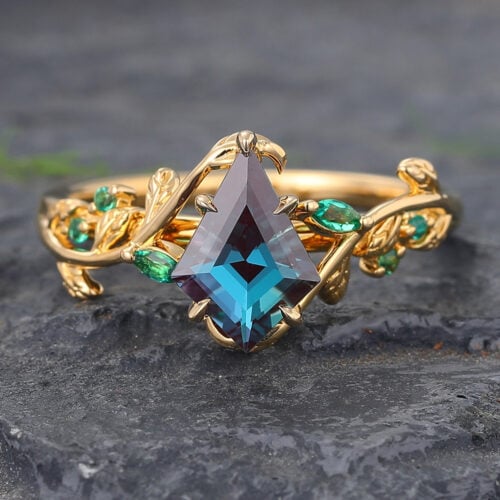
Kite Cut Alexandrite Nature Inspired Engagement Ring Yellow Gold
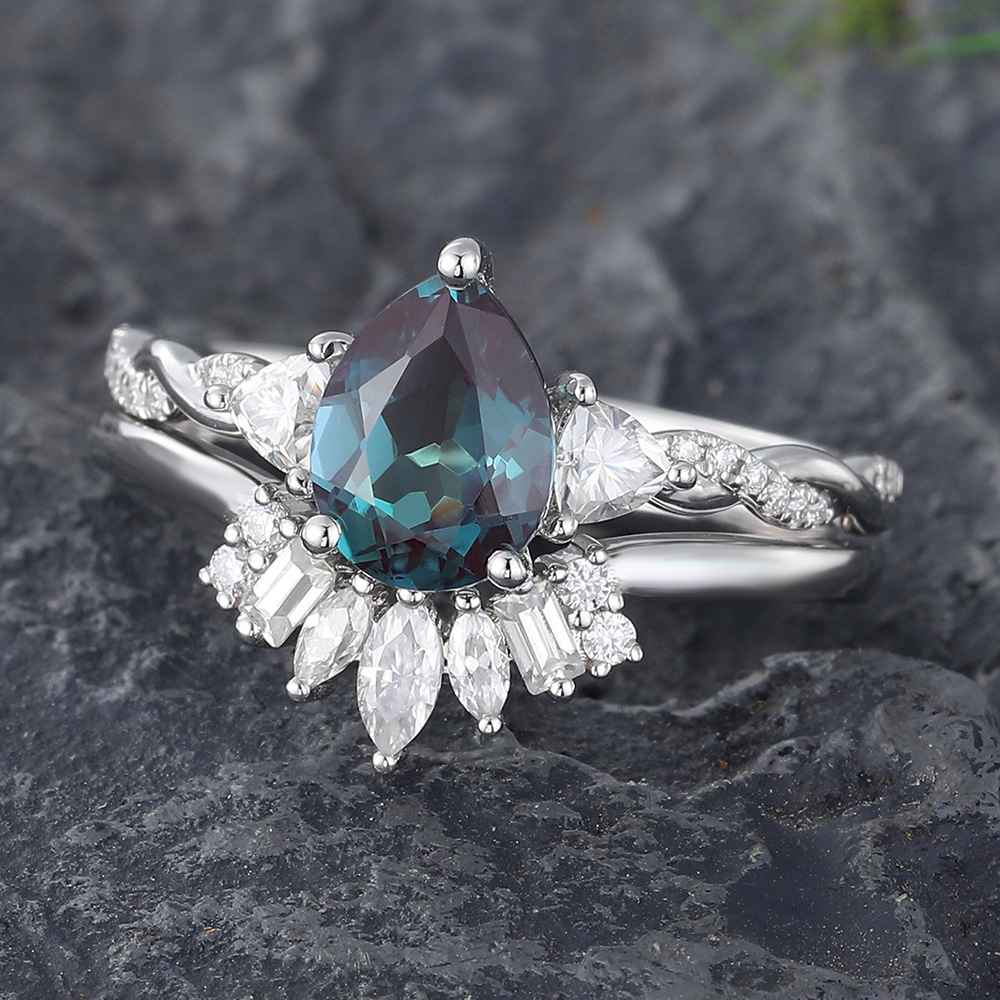
Pattiring Pear Shaped Lab Alexandrite White Gold Baguette Cut Diamond Engagement Ring Set
Where to Buy Authentic Alexandrite
When buying alexandrite in the United States, always shop with trusted retailers or certified gem dealers. Established jewelers provide transparent sourcing and grading reports.
Before purchasing, check the color change in person if possible and confirm the gem’s certification. Avoid sellers who cannot provide origin or authenticity documentation.
The Meaning and Symbolism of Alexandrite
Beyond its beauty and value, alexandrite carries a deep symbolic meaning. As the June birthstone, it represents renewal, creativity, and balance between light and passion. The stone’s dual color shift mirrors life’s transitions—making it a perfect gift for anniversaries, weddings, and personal milestones.
Final Thoughts
Real alexandrite is a rare fusion of science and magic—a gemstone that captures two colors, two moods, and two worlds in one crystal. Whether you’re searching for a captivating alexandrite ring, a meaningful birthstone necklace, or simply want to understand its worth, knowing how to recognize and value genuine stones ensures you’ll treasure your piece for a lifetime.
Authentic alexandrite jewelry is more than just an accessory—it’s a symbol of transformation and timeless elegance.
FAQs
How can I tell if an Alexandrite is natural or lab-grown?
Natural Alexandrite forms deep in the Earth and usually includes tiny natural inclusions (small mineral or growth marks) and shows a strong, sharp color change from green (daylight) to red or purple (incandescent light). Lab-grown stones may look very similar but often have fewer inclusions, more uniform clarity, and sometimes less dramatic color change. Always ask for a certificate from a recognized lab like GIA, AGL, or IGI.
What determines the price of Alexandrite in the United States?
Several factors affect price: (1) how dramatic the color change is; (2) clarity (whether there are visible inclusions or blemishes); (3) origin (stones from certain locations like Russia are more prized); (4) carat weight (larger stones cost exponentially more per carat); (5) cut quality. Because natural Alexandrite is very rare, stones that excel in all these aspects are expensive in U.S. markets.
Is Alexandrite more expensive than diamonds?
It depends. A high-quality natural Alexandrite with strong color change and good clarity can be more expensive per carat than many diamonds, especially ordinary white diamonds. However, diamonds generally have much larger markets and more standardized pricing, so for lower-quality stones or smaller sizes, diamonds are often more affordable. In either case, evaluating each stone’s characteristics is essential.
What should I look for when buying an Alexandrite ring or engagement ring in the U.S.?
When shopping for an Alexandrite ring, check for:
A visible, clean color change under different lighting (daylight vs incandescent).
Origin and natural status verified by gem lab certificate.
Good cut and polish so that the change is visible and the stone sparkles.
A reputable jeweler with return policy.
Setting that protects the stone (since Alexandrite is durable but still can be scratched by harder materials).
How do I care for Alexandrite jewelry to maintain its beauty and value?
To care for your Alexandrite:
Clean gently with mild soap and warm water; avoid harsh chemicals.
Store separately or in a soft pouch so it doesn’t get scratched by harder gems.
Avoid exposing to extreme heat or rapid temperature changes which may damage clarity or color.
Have it checked periodically by a jeweler, especially the setting, to ensure the stone is secure.


