



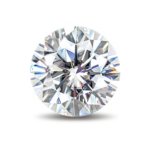
















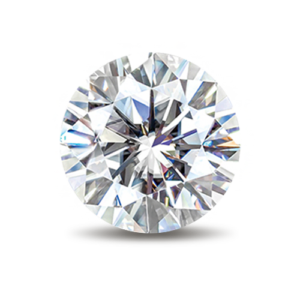
 Moissanite
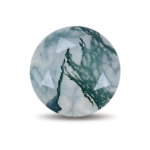
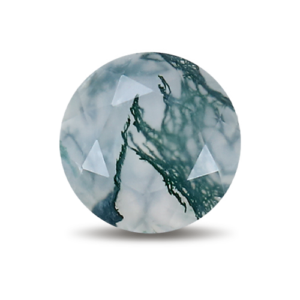 Moss Agate
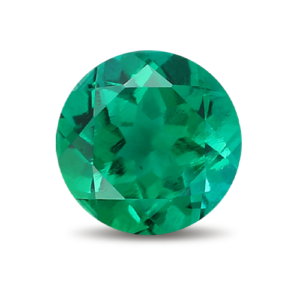 Emerald
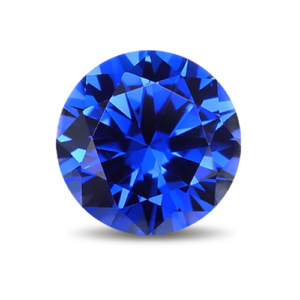 Sapphire
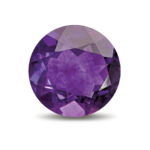
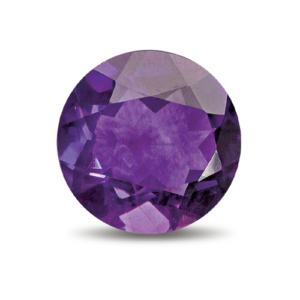 Amethyst
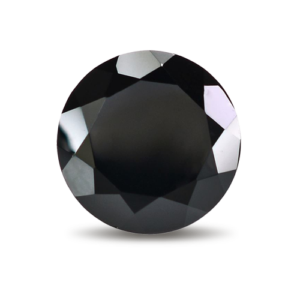 Black Onyx
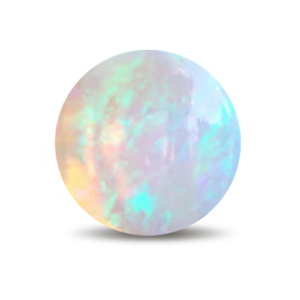 Opal
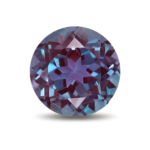
Opal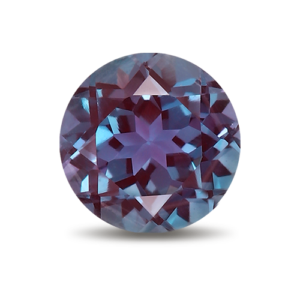 Alexandrite
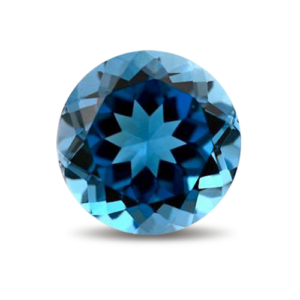 Topaz
Topaz Solitaire
 Halo
Halo
 Cluster
 Side Stone
 Pavé
Pavé
 Split Shank
 Art Nouveau
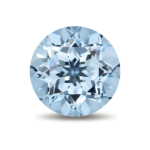
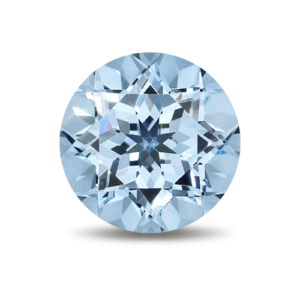 Aquamarine
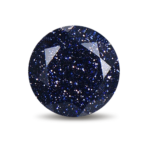
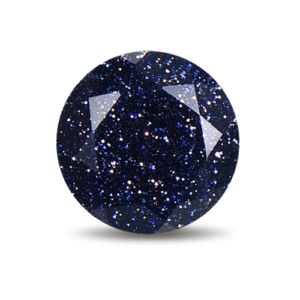 Blue Sandstone
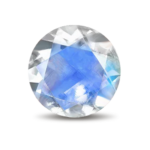
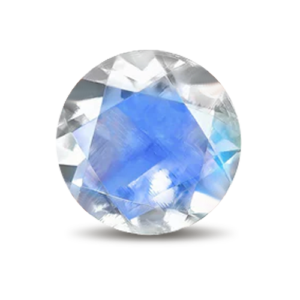 Moonstone
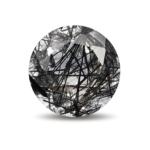
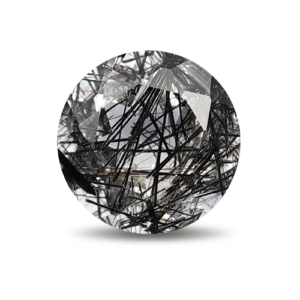 Black Rutilated Quartz
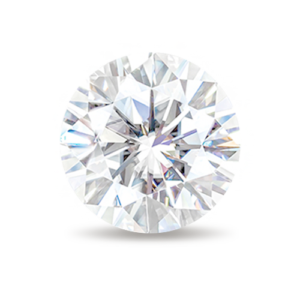 Lab Diamond
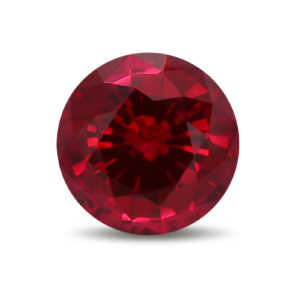 Ruby
Ruby
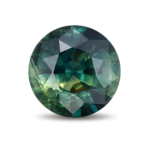
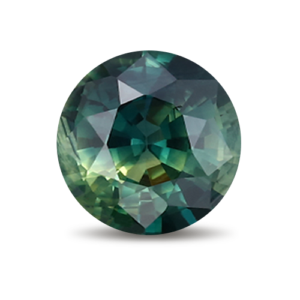 Teal Sapphire
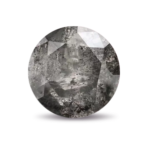
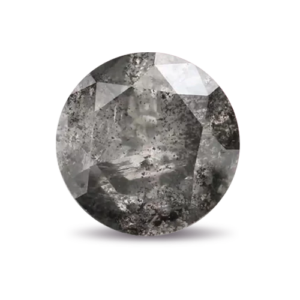 Salt & Pepper Diamond
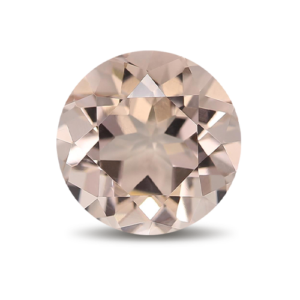 Morganite
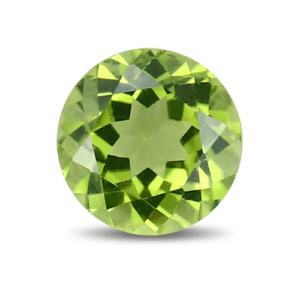 Peridot
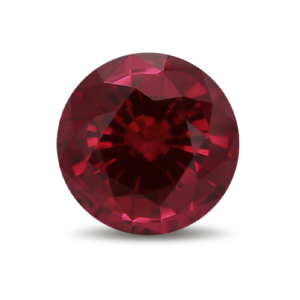 Garnet – January
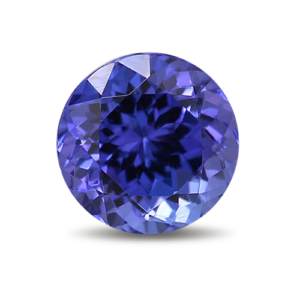 Tanzanite – December

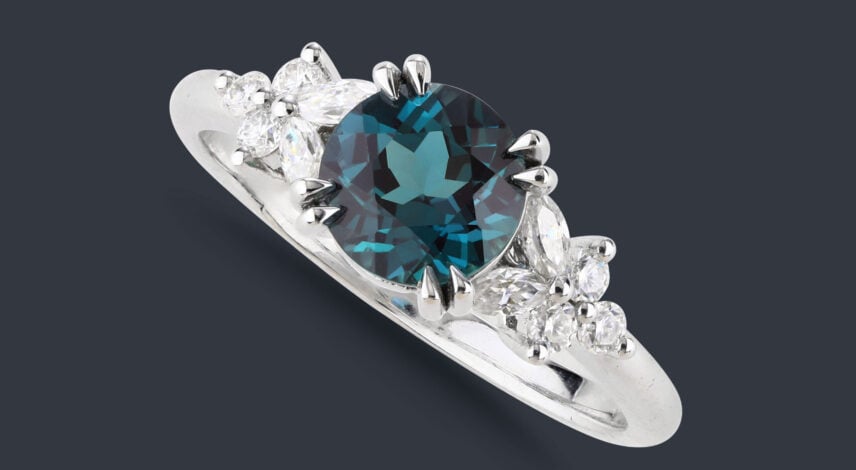
How to Identify Rare Gemstones: A Complete Guide to Authenticity, Testing, and Common Pitfalls
by PattiRing 0 commentsRare gemstones have fascinated collectors, jewelers, and investors for centuries. While diamonds are well known, stones like alexandrite, grandidierite, and benitoite are far rarer and often more valuable. With the rise of online marketplaces, questions such as “what is the rarest gemstone?” or “how to tell if a rare gemstone is real” are becoming more frequent. Unfortunately, counterfeits, synthetics, and treated gems are also on the rise. This guide will help you understand rare gemstone information, explore methods of gemstone identification, and provide insights into safe purchasing—from gemstone certification labs to at-home tests.
What Makes a Gemstone Rare?
- Rarity is determined by limited geographic occurrence, difficulty of mining, and unique optical effects.
- Examples:
Natural alexandrite (color-changing variety of chrysoberyl).
Grandidierite, considered among the most valuable gemstones due to its bluish-green hue and scarcity.
Paraiba tourmaline, prized for neon blue shades.
- Search interest often includes “most rare gemstone in the world” or “rare gemstone authenticity”.
- Rare stones are not only collector’s pieces but also alternatives to traditional diamonds, often used in women’s moissanite rings or unique engagement jewelry.
Rare Gemstones vs. Moissanite: A Popular Comparison
While moissanite rings have surged in popularity as ethical and affordable alternatives to diamonds, rare gemstones appeal to a different audience. For example:
- Women’s moissanite rings are marketed for everyday wear, brilliance, and budget-friendly value.
- Rare stones like alexandrite or benitoite are coveted for uniqueness and rarity.
- Both categories address buyer concerns about authenticity, which is why rare gemstones authenticity and real vs fake gemstones searches are so common.
- By understanding the difference between mass-market options (like moissanite) and niche treasures (like the most rare gemstones in the world), buyers can make informed choices.
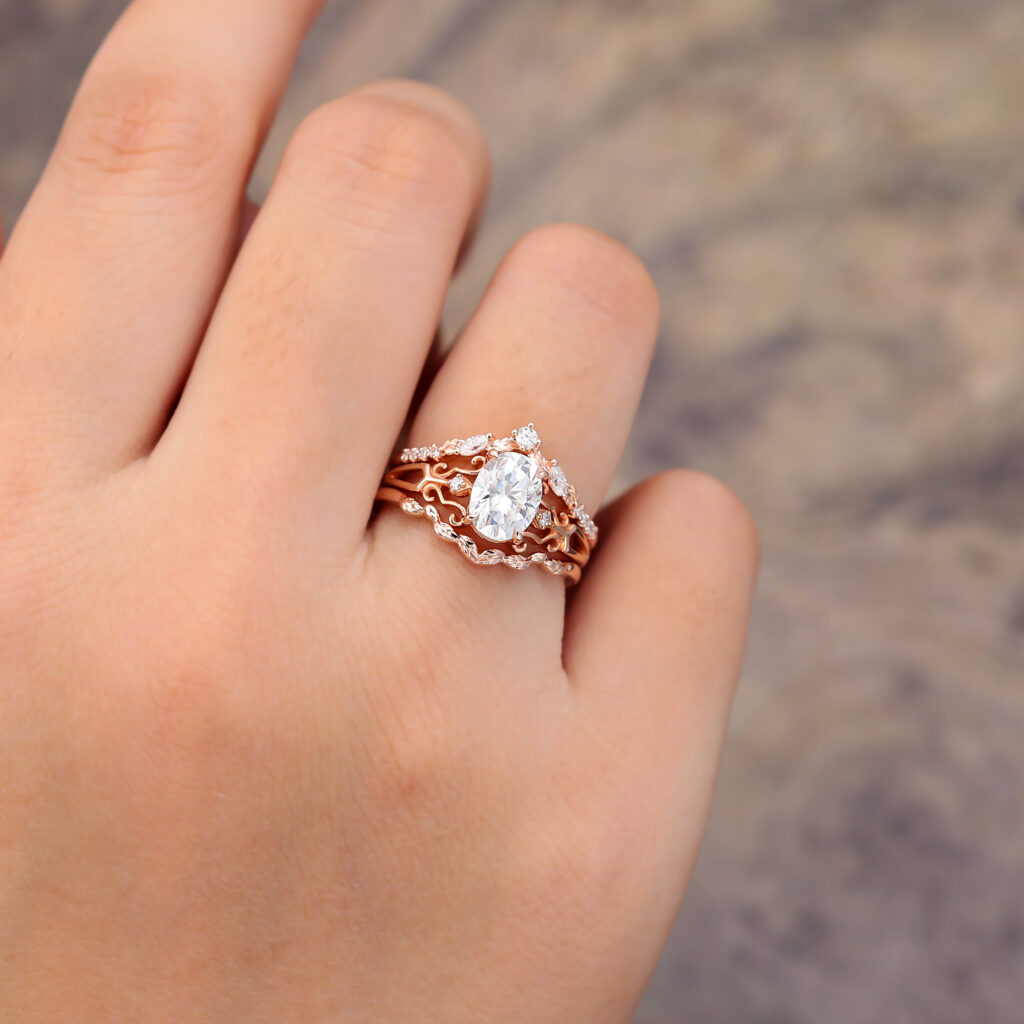
3PCS Oval Moissanite Engagement Ring Set Art Deco Filigree Bridal Ring Set
Common Treatments and Disclosures
Many rare gems are enhanced for better color or clarity:
- Heat treatment (common in sapphire, tanzanite).
- Dyeing or resin filling (seen in red beryl imitations).
- Coating and diffusion.
Knowing about gemstone treatment disclosure is crucial when you buy authentic rare gemstones safely. Always ask sellers: - Is the gemstone untreated or treated? (What does “untreated tanzanite” really mean?)
- Is disclosure included in writing? (Common gemstone treatment disclosures to ask seller about).
Transparency builds trust and helps you avoid costly mistakes.
How to Tell If a Rare Gemstone Is Real
Gemstone identification blends visual observation and advanced testing.
At home methods:
- Visual inspection: Look for inclusions. Genuine stones often show natural rare gemstone inclusion characteristics under microscope, while synthetics may appear flawless.
- Hardness test: Refer to a rare gemstones hardness test guide using Mohs scale.
- Refractometer: Learn how to test rare gemstones at home with refractometer for refractive index values.
Professional methods:
- Certification from trusted gem labs for rare gemstones USA like GIA, AGS, or AGL.
- Cross-checking reports to avoid scams such as authentic benitoite certificate vs fake sales listing.
Special cases:
- Difference between natural and lab grown alexandrite: Lab stones may change color but lack historical rarity.
- Identifying treated vs untreated paraiba tourmaline requires lab verification of copper content.
Understanding these tools helps you navigate real vs fake gemstones confidently.
Case Studies: Popular Rare Gemstones
- Alexandrite: Known as “emerald by day, ruby by night,” prized as one of the most rare gemstones in the world. Demand for natural alexandrite remains strong, but lab-grown varieties require careful identification.
- Grandidierite: Among the most valuable gemstones, especially in transparent quality. Due to limited supply from Madagascar, authenticity checks are vital.
- Tanzanite: Marketed heavily, but buyers must ask “what does untreated tanzanite really mean?” Heat treatment is common, so full disclosure matters.
- Benitoite: California’s state gem; authentic stones are scarce. Beware of fake sales listings with forged certificates.
- Paraiba Tourmaline: Neon glow makes it iconic, but identifying treated vs untreated Paraiba tourmaline often needs lab confirmation.
Each stone highlights why rare gemstone information and gemstone certification labs are critical for both collectors and casual buyers.
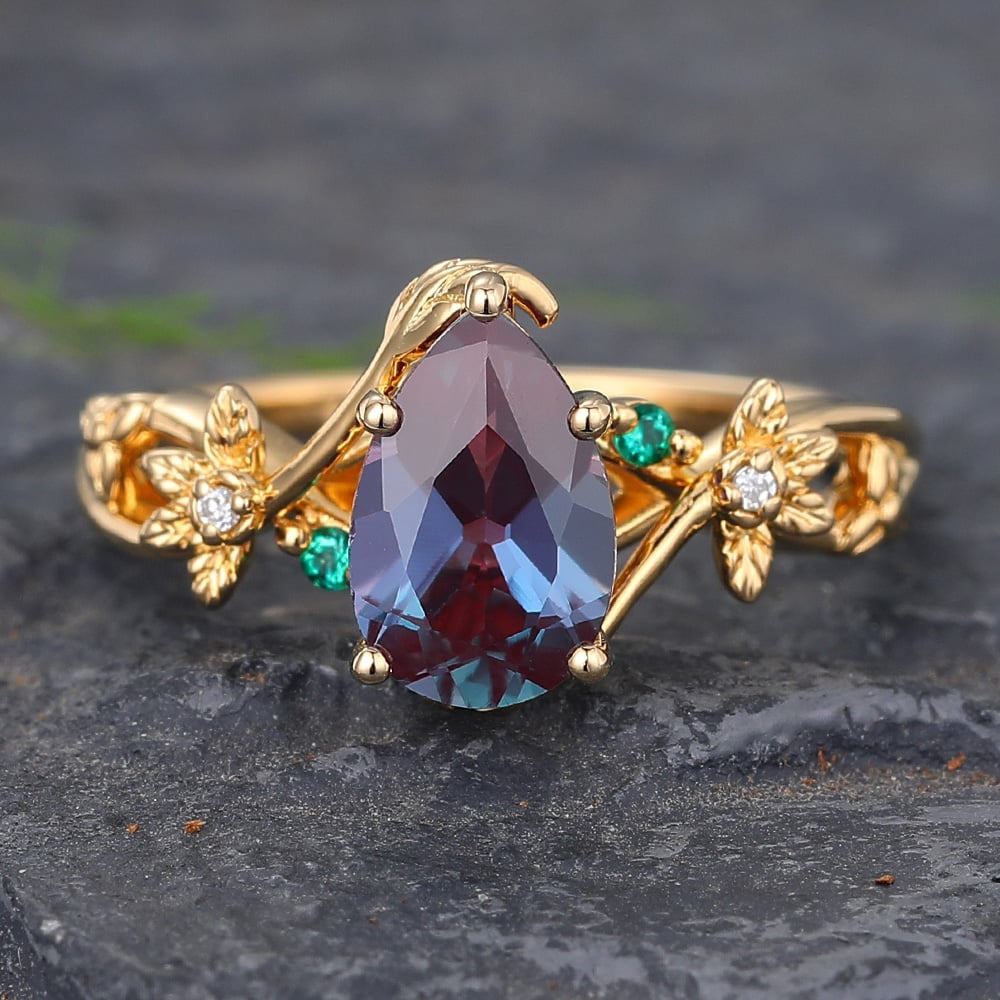
alexandrite engagement rings Vine Design Pear Shaped Alexandrite Split Shank Engagement Ring
How to Buy Authentic Rare Gemstones Safely
To minimize risks:
- Choose reliable sellers with return policies and transparent disclosures.
- Ask for lab reports from GIA, IGI, or other trusted gem labs for rare gemstones USA.
- Compare prices: if a rare gemstone is offered too cheaply, it may be synthetic or treated.
- Join collector groups or forums to verify rare gemstone information.
- Be cautious with online auctions; request detailed images including magnified inclusions.
Following these steps allows you to buy with confidence while appreciating the artistry behind each stone.
Conclusion
Rare gemstones—from natural alexandrite to grandidierite—represent some of the most rare gemstones in the world. Their beauty and scarcity inspire both admiration and deception. Whether you are investing, designing jewelry, or simply curious, knowing how to tell if a rare gemstone is real, understanding gemstone treatment disclosures, and trusting only gemstone certification labs ensures safety. For everyday wear, moissanite rings remain popular, but for collectors, the pursuit of rare gemstones authenticity remains unmatched. Educated buyers can enjoy these treasures while avoiding the traps of misrepresentation and fraud.
FAQs
What is the rarest gemstone?
The title of “the rarest gemstone” often depends on how rarity is defined. In terms of availability and gem-quality specimens, contenders include painite, red beryl, benitoite, grandidierite, and high-quality natural alexandrite. While diamonds are common in the market, these rare gemstones are far scarcer, making them highly collectible and often among the most valuable gemstones in the world. When researching what is the most rare gemstone, it’s important to consider both natural occurrence and market demand.
How can I tell if a rare gemstone is real or fake?
Determining rare gemstones authenticity requires a mix of observation and testing:
Visual inspection: Genuine stones often show natural inclusions; flawless stones may indicate synthetics.
Gemstone hardness test: Compare against Mohs scale using a rare gemstones hardness test guide.
Refractometer: Learn how to test rare gemstones at home with a refractometer to measure refractive index.
Certification: For accuracy, rely on gemstone certification labs such as GIA, AGS, or AGL. These labs confirm whether the gemstone is natural, treated, or lab-grown.
What is the difference between natural and lab-grown alexandrite?
- Natural alexandrite is extremely rare and valuable, with a dramatic color change (green in daylight, red in incandescent light).
- Lab-grown alexandrite mimics the same optical effect but is created in controlled conditions, making it less rare and more affordable.
- Collectors value natural alexandrite for its history, geological scarcity, and authenticity.
For investment or heirloom purposes, always choose stones certified by trusted gem labs for rare gemstones USA to avoid confusion between natural and synthetic stones.
What does “untreated tanzanite” really mean?
“Untreated” means the gemstone has not undergone enhancements like heat treatment, dyeing, or coating. Almost all tanzanite on the market is heat-treated to produce the vivid blue-violet color it is famous for. Therefore, untreated tanzanite is exceptionally rare and more valuable. If a seller advertises this, ask for gemstone certification from a respected lab to verify authenticity. This disclosure is part of gemstone treatment transparency, which protects buyers from misleading claims.
Which rare gemstones are most valuable?
The most valuable gemstones typically combine rarity, exceptional quality, and strong demand. Examples include:
Natural alexandrite with strong color change.
Paraiba tourmaline with neon blue hues.
Grandidierite, extremely scarce and often collector-only.
Benitoite, prized for its blue fire and scarcity.
Red beryl (bixbite), rarer than diamonds.
These gems represent the most rare gemstones in the world, and authenticity should always be verified by professional gemstone identification and certification.
What are common gemstone treatment disclosures to ask the seller about?
When buying rare gemstones, always ask the seller to provide written treatment disclosures. Common ones include:
Heat treatment (common in sapphire and tanzanite).
Dyeing (often used in imitations like dyed red beryl).
Resin or glass filling (improves clarity but lowers value).
Surface coating or diffusion (alters color artificially).
Buyers should confirm whether stones are untreated vs treated, especially with paraiba tourmaline or tanzanite. Requesting clear disclosure and independent reports from gemstone certification labs ensures you buy authentic rare gemstones safely.


