






























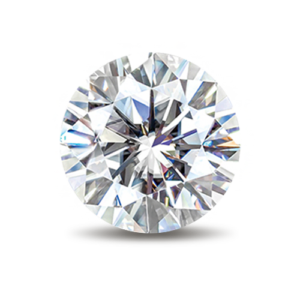
 Moissanite
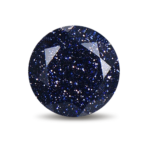
 Moss Agate
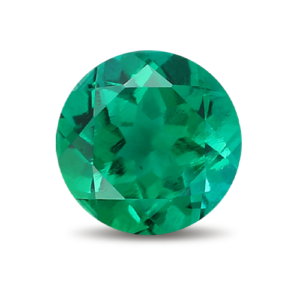 Emerald
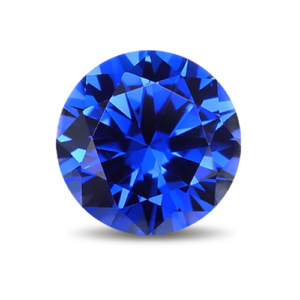 Sapphire
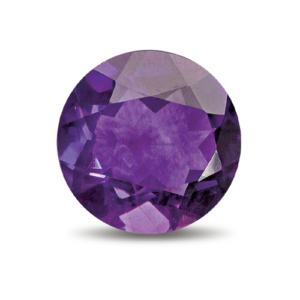 Amethyst
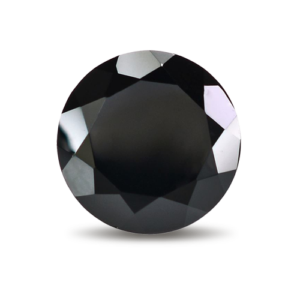 Black Onyx
 Opal
Opal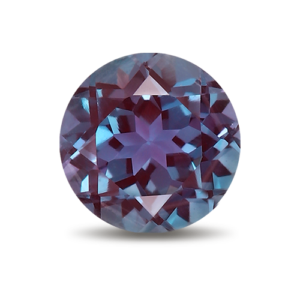 Alexandrite
 Topaz
Topaz Solitaire
 Halo
Halo
 Cluster
 Side Stone
 Pavé
Pavé
 Split Shank
 Art Nouveau
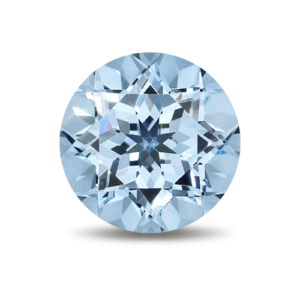 Aquamarine
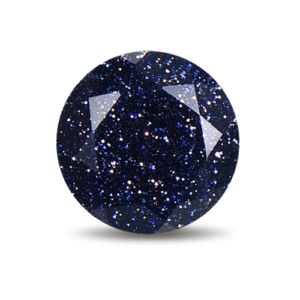 Blue Sandstone
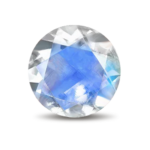
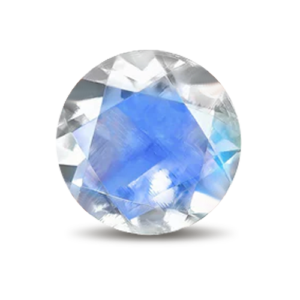 Moonstone
 Black Rutilated Quartz
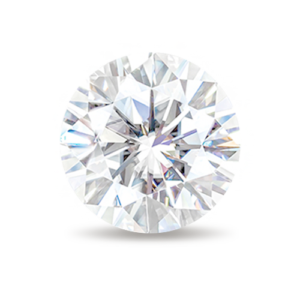 Lab Diamond
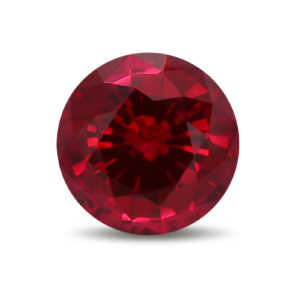 Ruby
Ruby
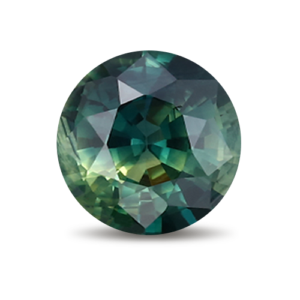 Teal Sapphire
 Salt & Pepper Diamond
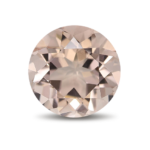
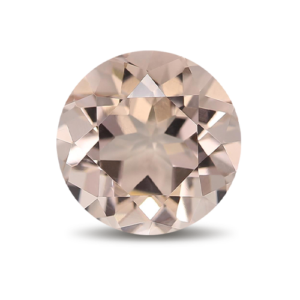 Morganite
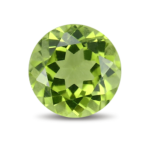
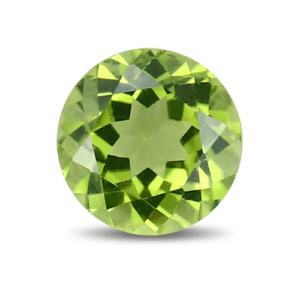 Peridot
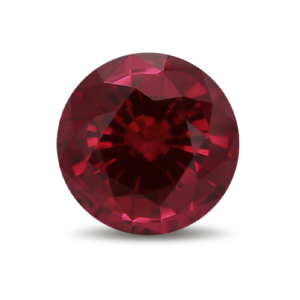 Garnet – January
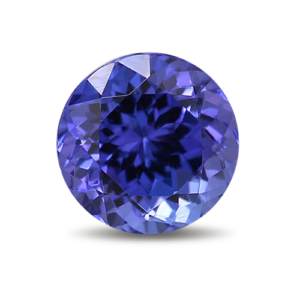 Tanzanite – December

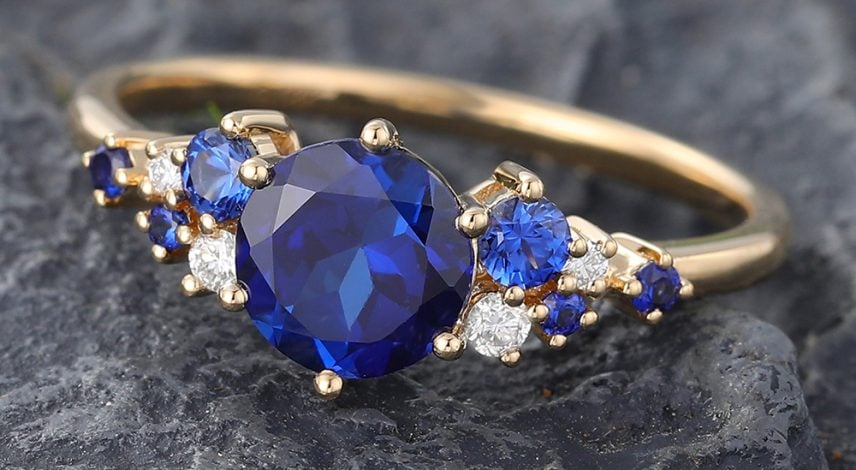
While diamonds have long dominated the world of engagement rings, sapphire reigns supreme with a compelling blend of history, mystery, and brilliant beauty. In 2023, Google searches for “sapphire engagement rings” increased by 47%, surpassing traditional diamonds for the first time in history. Sapphire engagement rings have a wealth of meaning, great durability, and a magnificent range of colors, making them a wonderfully personal and long-lasting choice.
Sapphire Engagement Ring Meaning
Choosing an engagement ring is extremely symbolic, and sapphires hold meanings that have endured for generations. They are far more than just gorgeous stones; they are talismans of virtue and dedication.
A. Ancient Legends, Modern Meaning
Medieval Royalty: Sapphires symbolized divine favor-kings wore them to ward off envy (and poison). It was believed that a sapphire’s color would fade if worn by an unfaithful person.
Victorian Code: A sapphire engagement ring meant “eternal fidelity,” often paired with acrostic jewelry spells.
The Most Famous Royal Ring: The beautiful 12-carat oval Ceylon sapphire surrounded by diamonds, first chosen by Princess Diana in 1981 and later presented by Prince William to Catherine Middleton (now the Princess of Wales) on their engagement. This ring single-handedly renewed the global interest in sapphire engagement rings, establishing them as emblems of ageless elegance, enduring love, and modern monarchy.
Psychology Today: Studies show that sapphire wearers are perceived as 25% more intelligent than their diamond counterparts (Journal of Luxury Psychology, 2022).
B. General Symbolism
Sapphires have been adored throughout history as symbols of knowledge, virtue, and good fortune. They are strongly connected with dignity, honesty, sincerity, and loyalty. Because of their natural loyalty, they are an exceptionally emotional option for an engagement ring, expressing unshakable commitment and deep affection between partners.
C. The "Anti-Diamond" Statement
Millennial Shift: 63% of couples under 35 prioritize ethical sourcing over tradition (Gemological Institute of America).
Celebrity Influence:
- Lady Gaga’s heart-shaped pink sapphire (a tribute to individuality).
- Zayn Malik’s black sapphire ring for Gigi Hadid (defying gender norms).
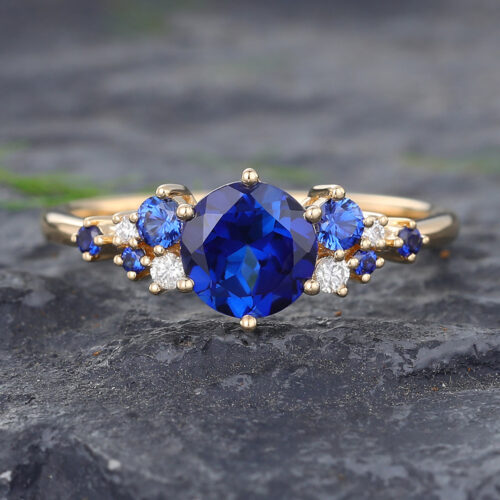
Practical Considerations: Sapphire Engagement Ring Durability, Pros and Cons
Beyond symbolism and history, an engagement ring must resist the rigors of daily living. This is where sapphires shine.
Hardness: Sapphires belong to the corundum mineral family and are known for their toughness. Corundum has a Mohs hardness of 9 out of 10, which measures scratch resistance. Only diamond (10) and Moissanite (9.25) are tougher. Sapphires’ extraordinary hardness means they are exceptionally resistant to scratching and chipping, making them a great, long-lasting choice for an everyday ring.
Pros of Sapphire Engagement Rings
- Exceptional Durability
- Unique and Distinctive
- Rich Symbolism and History
- Potential Value
Cons of Sapphire Engagement Rings
- Scratched by Diamonds or Moissanite
- Requires Cleaning
- Treatments are Common
Sapphire Engagement Ring Colors: A Rainbow of Choices

The term “sapphire” usually conjures up pictures of deep blue, but the truth is a stunning spectrum. Sapphire refers to all colors of gem-quality corundum, except for red corundum, which is known as ruby.
Blue Sapphire
Blue: The most prevalent hue in sapphire.
Blue sapphire: It represents monarchy, wisdom, trust, and loyalty. It’s the color of deep oceans and dusk skies, suggesting feelings of peace, stability, and profound loyalty. This is the color most commonly associated with the legendary royal engagement rings.
Pink Sapphire
Pink: From soft pastels to vibrant magenta.
Pink sapphire: Exuding warmth and charm, pink sapphires symbolize love, compassion, elegance, and delicate femininity. They discuss gentle kindness, resilience, and good fortune in issues of the heart.
Yellow Sapphire
Yellow: Ranging from pale lemon to rich gold and orange-yellow.
Yellow sapphire: Vibrant and sunny, yellow sapphires are associated with prosperity, joy, wisdom, and divine grace. They are believed to attract wealth, manifest goals, and bring clarity of thought.
White Sapphire
White/Colorless: A durable diamond alternative.
White sapphire: Although less common in engagement rings today due to the prevalence of diamonds, white (colorless) sapphires represent purity, clarity, spirituality, and new beginnings. They offer a diamond-like look with their own unique spirit.
Padparadscha Sapphire
Padparadscha Sapphires: The rarest and most prized, with a unique blend of pink and orange, reminiscent of a sunset or a lotus flower.
Symbolism: The rare and coveted pinkish-orange sapphire, named after the lotus flower, symbolizes serenity, unique beauty, vitality, and blissful enlightenment. Its unique hue makes it incredibly special.
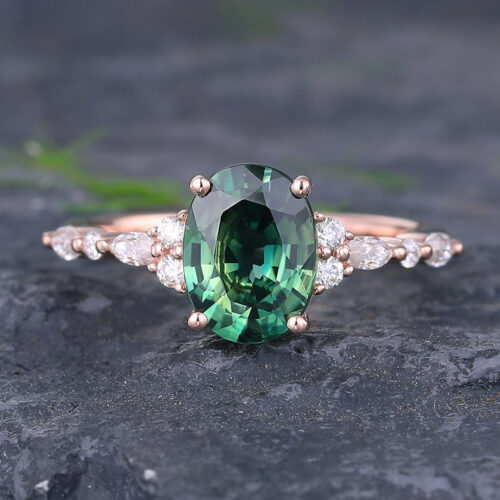
Green Sapphire
Green: Often has blue or yellow undertones, ranging from mint to deep forest green.
Green Sapphire: Associated with nature, green sapphires represent trust, loyalty, and integrity. They promote serenity and reflect growth and balance.
Purple Sapphire
Purple: Can range from lavender to deep purple, sometimes with reddish highlights.
Purple Sapphire: Associated with wisdom, spiritual awakening, and nobility, purple sapphires combine the calm of blue with the energy of red, fostering intuition and artistry.
Why Sapphire Engagement Rings Are Crushing Diamonds in 2025?
- The Cost-Size Illusion: A 3-carat sapphire (~9,000) appears to be 506,000+ of the same face-up size.
- Customization King: With technology, you can create a perfect cornflower blue impossible in nature. Also, mined sapphires have a lower environmental impact than diamonds.
- The “Diana Effect” 2.0: Princess Diana’s ring now belongs to Princess Kate – but Gen Z is reinventing it with neon colors and raw cuts.
Choosing the Perfect Sapphire Engagement Ring: A Buyer's Guide

Choosing a sapphire entails comprehending its unique traits. While the 4 Cs (Color, Clarity, Cut, and Carat) apply, the emphasis is slightly different from that of diamonds.
1.The 4Cs (adapted for Sapphires)
- Color: Look for colors that are rich, lively, and uniformly distributed.
- Clarity: The criteria are frequently “eye-clean.” Some inclusions, such as the fine silk that creates asterism in star sapphires, are attractive.
- Cut: A good cut enhances the color, brilliance, and life of the sapphire.
- Carat Weight: Because sapphires are denser than diamonds, a one-carat sapphire appears slightly smaller than a one-carat diamond.
2. Setting Styles
Sapphires look beautiful in a variety of settings. White gold or platinum looks great with blue sapphires, whilst yellow or rose gold can warm up pink, yellow, or padparadscha stones. Halo settings highlight the central stone, whereas solitaire settings provide timeless elegance. Consider using a bezel setting for further protection.
Caring for Your Sapphire Engagement Ring
Sapphires are relatively easy to care for due to their durability.
- Cleaning: The best way to clean your sapphire ring is with warm water, mild dish soap, and a soft toothbrush. Gently scrub behind the stone where dirt and oil accumulate. Rinse thoroughly and dry with a soft, lint-free cloth.
- What to avoid: Although durable, avoid exposing your sapphire to harsh chemicals (such as chlorine bleach) or extreme temperature changes. Avoid ultrasonic cleaning if your stone has significant fractures or certain treatments (consult your jeweler if unsure). Always remove your ring during activities that could subject it to hard knocks or abrasions (e.g., gardening, heavy lifting, contact sports).
- Professional checks: Have your ring professionally cleaned and inspected by a jeweler every 6-12 months. They can check the security of the setting and make sure the prongs are tight.
Conclusion: Your Sapphire, Your Story
Sapphire engagement rings are more than just beautiful; they are power plays in gemstone form. Whether you prefer Diana’s elegance or Gaga’s rebelliousness, there’s a sapphire for you.
Ready to defy tradition?
Limited Mother’s Day Offer: LOVEMOM


