




















 Moissanite
 Moss Agate
 Emerald
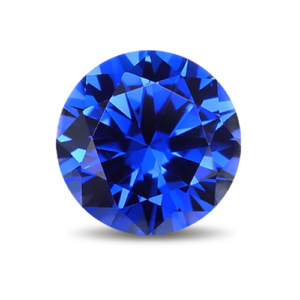 Sapphire
 Amethyst
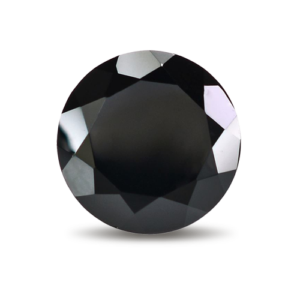 Black Onyx
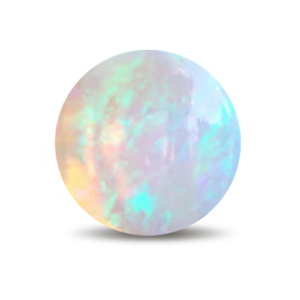 Opal
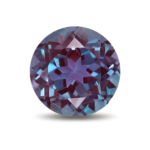
Opal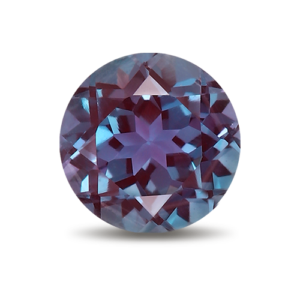 Alexandrite
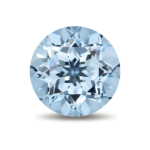
 Topaz
Topaz Solitaire
 Halo
Halo
 Cluster
 Side Stone
 Pavé
Pavé
 Split Shank
 Art Nouveau
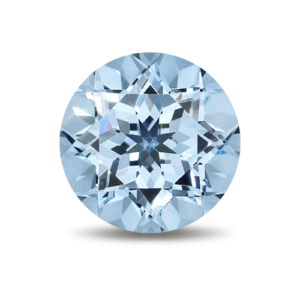 Aquamarine
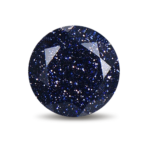
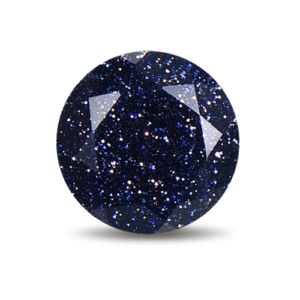 Blue Sandstone
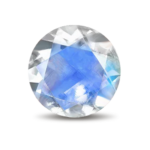
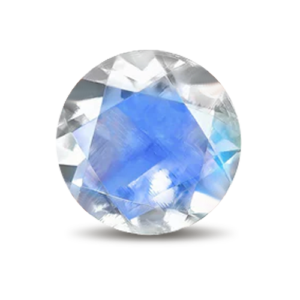 Moonstone
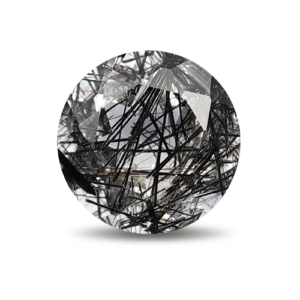 Black Rutilated Quartz
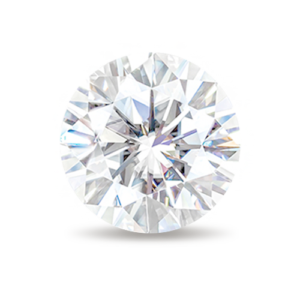 Lab Diamond
 Ruby
Ruby
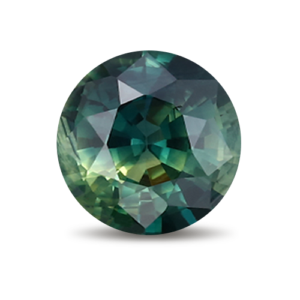 Teal Sapphire
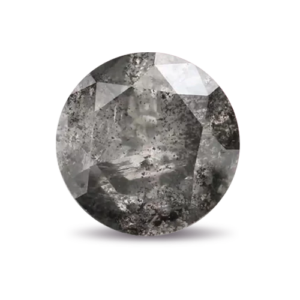 Salt & Pepper Diamond
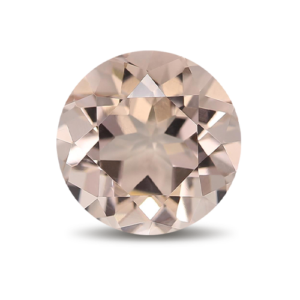 Morganite
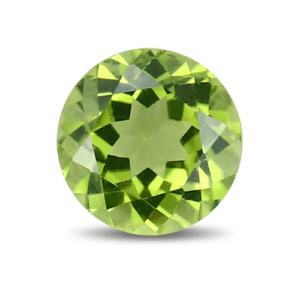 Peridot
 Garnet – January
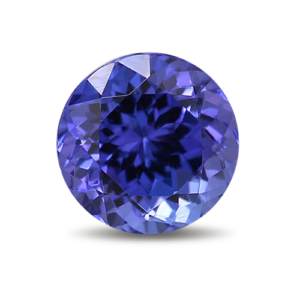 Tanzanite – December

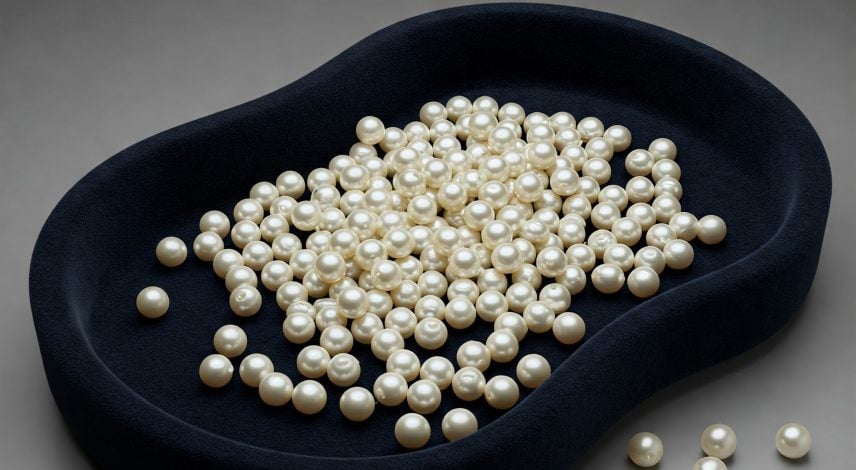
Pearls have been treasured for centuries as a symbol of elegance, purity and sophistication. From ancient royalty to modern fashion icons, pearls have adorned the necks, ears, and wrists of those who appreciate their timeless beauty. But with the rise of imitation pearls, it’s more important than ever to know how to tell if pearls are real or fake. This guide provides seven simple yet effective tests to help you confidently distinguish real pearls and make informed purchasing decisions.
Understanding the Essence of Real Pearls
Before diving into the tests, it’s crucial to understand what makes real pearls unique. Unlike gemstones mined from the earth, pearls are organic gems formed within the soft tissue of a mollusk. This process, whether natural or cultured, results in the deposition of nacre, a substance composed of calcium carbonate crystals. The layers of nacre give real pearls their characteristic luster, depth, and subtle variations. Each pearl is unique, with its own shape, size, color, and surface characteristics. This individuality is part of what makes real pearls so special.
Natural vs. Cultured Pearls
Natural pearls form spontaneously without human intervention, while cultured pearls are the result of the intentional introduction of an irritant into the mollusk. Both are considered genuine pearls, although natural pearls are significantly rarer and more valuable.
Types of Pearls
- Freshwater pearls: Cultured in freshwater oysters, these pearls are known for their wide range of shapes, sizes and colors.
- Akoya pearls: Cultured in saltwater oysters, Akoya pearls are prized for their classic round shape and high luster.
- Tahitian pearls: Grown in black-lipped oysters, these pearls are known for their dark, exotic colors.
- South Sea pearls: Grown in large oysters, South Sea pearls are the largest and most valuable cultured pearls.
7 Easy Tests to Tell If Pearls Are Real
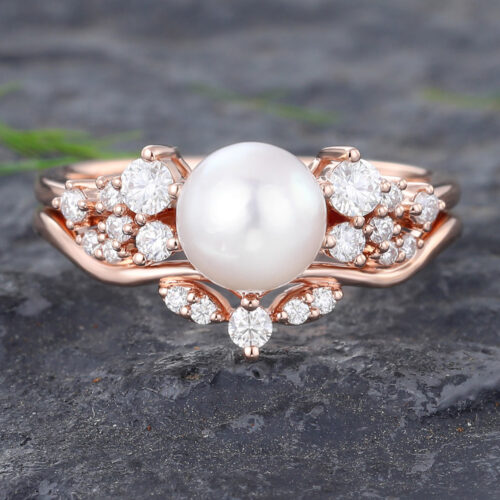
To help you determine real pearls from fakes, here are five simple tests you can perform at home. By performing these tests, you will be able to tell the difference between real pearls and fake pearls.
1. The Tooth Test: Feel the Texture
One of the simplest and most reliable ways to determine if a pearl is genuine is the tooth test. This method relies on the unique texture of natural pearls.
How to Perform the Test:
- Gently rub the pearl against the edge of your front teeth.
- Notice how the surface feels. Real pearls will feel slightly gritty due to the layered structure of the mother-of-pearl, while fake pearls will feel smooth.
Why it Works:
The natural formation process of pearls involves the deposition of thousands of layers of mother-of-pearl, creating a textured surface. This texture is difficult to replicate in synthetic materials.
Pro Tip:
If you’re testing pearls in a store, do so discreetly. You can also use your fingernail if rubbing the pearl against your teeth feels uncomfortable.
2. Visual Inspection: Observing the Glow
The luster of a pearl is one of its most defining characteristics. Genuine pearls have a deep, radiant luster that reflects light beautifully, while fake pearls often appear dull or overly lustrous.
How to Perform the Test:
- Hold the pearl under a natural or artificial light source.
- Observe how the light interacts with the surface of the pearl. Genuine pearls will exhibit a soft, iridescent glow with a rainbow-like play of colors, while fake pearls may appear overly shiny or have a flat, dull appearance.
Why It Works:
The layers of mother-of-pearl in real pearls uniquely refract light, creating a luminescent effect. Imitation pearls, on the other hand, are often coated with a thin layer of lacquer or plastic that cannot replicate this depth.
Pro Tip:
Compare the luster of the pearl to a known real pearl. If you don’t have one, look online for high-quality images of real pearls to use as a reference.
3. The Surface Examination: Look for Imperfections
Although it may seem counterintuitive, imperfections can be a sign of authenticity. Genuine pearls are formed organically, and their surfaces often have minor irregularities.
How to Perform the Test:
- Examine the surface of the pearl under a magnifying glass or bright light.
- Look carefully for any bumps, ridges or small imperfections. Genuine pearls may have slight imperfections such as small bumps, ridges or uneven areas. These are natural and add to the uniqueness of the pearl. Fake pearls often appear too perfect and uniform.
Why It Works:
The natural process of pearl formation involves the oyster depositing layers of mother-of-pearl around an irritant. This process is rarely flawless, resulting in minor surface irregularities.
Pro Tip:
Don’t mistake minor imperfections for poor quality. Perfectly smooth pearls are more likely to be fake. Look for growth rings, subtle blemishes and variations in nacre thickness. These imperfections are signs of authenticity. Fake pearls also often have a plastic appearance.
4. The Weight Test: Feeling the Density
Real pearls are typically heavier than their imitation counterparts due to their dense nacre structure.
How to Perform the Test:
- Hold the pearl in your hand and estimate its weight.
- Compare it to a known real pearl if possible. Genuine pearls are denser than most faux pearls of similar size.
Why It Works:
The layers of nacre in real pearls make them denser and heavier. Imitation pearls, which are made of less dense materials, lack this weight.
Pro Tip:
If you don’t have a real pearl to compare, trust your instincts. Real pearls should feel solid and weighty, not hollow or insubstantial.
5. The Bounce Test: Testing Resilience
This test takes advantage of the unique elasticity of real pearls.
How to Perform the Test:
- Drop the pearl from a short height (about 6-12 inches) onto a hard, flat surface.
- Observe how it bounces. Real pearls will bounce easily due to their dense structure, while fake pearls may not bounce at all or bounce less energetically.
Why It Works:
The dense, layered structure of real pearls gives them a unique ability to absorb and release energy, causing them to bounce. Imitation pearls, which are less dense, lack this resilience.
Pro Tip:
Perform this test carefully to avoid damaging the pearl. Use a soft surface such as a towel if you’re concerned about scratching.
6. The Sound Test: Listen to the Unique Sounds
The sound test is a simple but effective way to determine whether your pearls are real or fake. By listening to the unique sounds that pearls make when rubbed or tapped, you can gain valuable insight into their authenticity.
How to Perform the Test:
- Gently tap two pearls together. For a string of pearls, gently rub two pearls together.
- Pay close attention to the sound produced. Real pearls will produce a sharp, clear sound, while fake pearls will sound dull or muffled.
Why It Works:
This test is based on the density and hardness of real pearls. Real pearls are made up of layers of mother-of-pearl that have a dense, slightly irregular structure. This structure absorbs sound, creating a softer, more muted sound.
Pro Tip:
Avoid applying too much pressure when rubbing or tapping pearls, as this can damage them.
7. The Drill Hole Test
How to Perform the Test:
- Use a jeweler’s loupe (10x magnification or higher) to closely inspect the drill hole of the pearl.
- Pay attention to the edges of the hole, the inner walls, and the layers of mother-of-pearl. Genuine pearls will have sharp, well-defined drill holes with visible layers of nacre. Fake pearls may have rough or chipped drill holes with a coating or filler.
Why It Works:
Real pearls are made up of layers of mother-of-pearl. The drill hole cuts through these layers, revealing their structure. Fake pearls are often solid or coated, so the drill hole won’t show the same layered appearance.
Pro Tip:
This method does not apply to pearls without drilled holes (such as loose pearls). When examining a strand of pearls, check multiple drill holes for consistency.
How to Tell if Pearls Are Real: Buying From Reputable Pearl Sellers
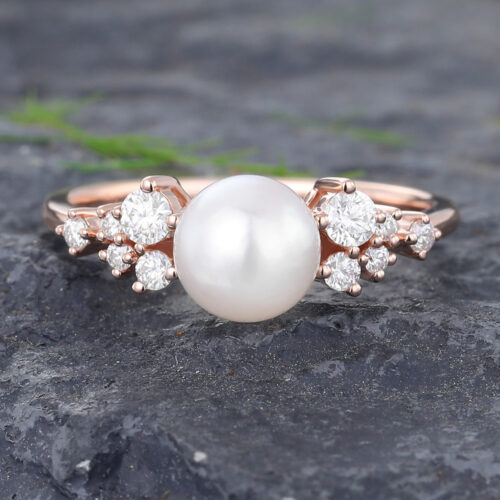
Choosing a reputable pearl seller like Pattiring is crucial to ensuring the authenticity and quality of your purchase.
Pattiring is a trusted brand known for its high quality pearls and exceptional craftsmanship. When you buy from Pattiring, you can expect:
- Guaranteed Quality: Pearls are meticulously selected to ensure exceptional luster and quality.
- Professional Certification: Pattiring offers professional pearl certifications for peace of mind.
- Superior Service: Pattiring’s expert team is always available to assist, ensuring a pleasant shopping experience.
Conclusion
Pearls are more than just jewelry; they’re a work of nature’s art. By understanding the characteristics of real pearls and using these 7 simple tests, you can confidently spot real pearls from fakes. Ready to experience the unmatched elegance of real pearls? Explore our exquisite collection today and discover the perfect pearls to elevate your style!
Real or Fake Pearls FAQs
The easiest way to tell if a pearl is real is the Tooth Test: rub it gently against your front teeth. A real pearl will feel slightly gritty, while a fake pearl will feel smooth.
Yes, vintage pearls can be worth a considerable amount depending on their quality, size, shape and condition. Vintage or antique pearls may also have an added value due to their rarity and historical significance.
Genuine pearls typically sink in water, while faux or imitation pearls may float. This is due to the density of the materials used to make real pearls compared to imitation pearls.
The value of real pearls can vary greatly depending on factors such as size, shape, luster, color, surface quality, and origin.
- Freshwater pearls: $50-$1,000+.
- Akoya pearls: $100-$10,000+.
- Tahitian pearls: $500-$25,000+.
- South Sea pearls: $1,000-$100,000+.


