






























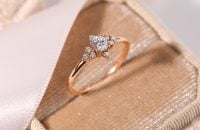








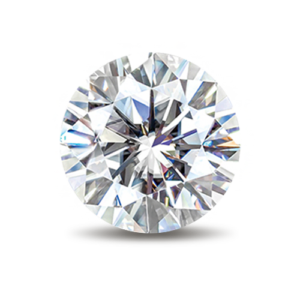
 Moissanite
 Moss Agate
 Emerald
 Sapphire
 Amethyst
 Black Onyx
 Opal
Opal Alexandrite
 Topaz
Topaz Solitaire
 Halo
Halo
 Cluster
 Side Stone
 Pavé
Pavé
 Split Shank
 Art Nouveau
 Aquamarine
 Blue Sandstone
 Moonstone
 Black Rutilated Quartz
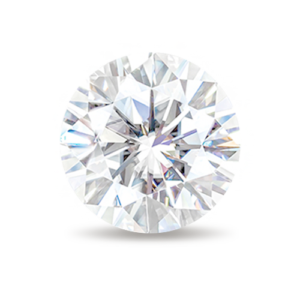 Lab Diamond
 Ruby
Ruby
 Teal Sapphire
 Salt & Pepper Diamond
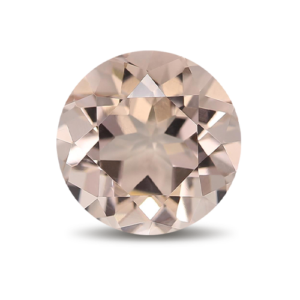 Morganite
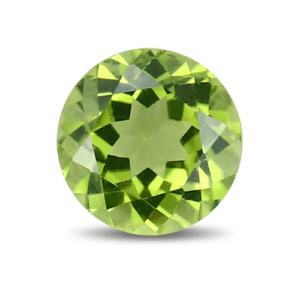 Peridot
 Garnet – January
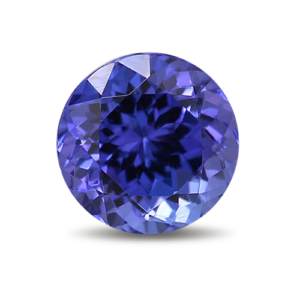 Tanzanite – December

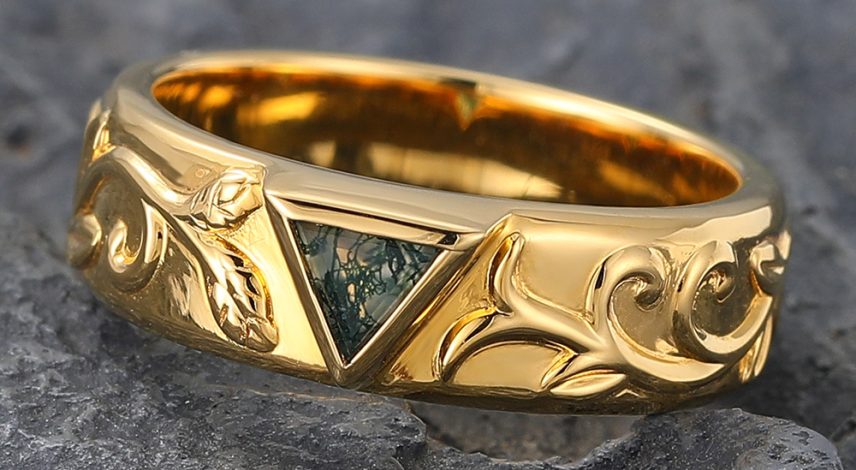
In the world of precious metals, gold is a beacon of stability and value. Valued for their beauty and practicality, 14k gold rings are often considered a sentimental and financial investment. But how much is a 14k gold ring worth? The value of a 14k gold ring isn’t just about its sparkle; it’s a combination of its gold content, craftsmanship, and current market conditions. Join us as we explore the key factors that determine the value of a 14k gold ring, providing you with the knowledge to make informed decisions.
What is 14K Gold?
14k gold is a popular type of gold alloy that is widely used in jewelry because of its rich, warm color. Popular colors include 14k pink, white, and yellow gold. The “k” stands for karat. It is a measure of the purity of gold. 24 karat (24k) is pure gold, meaning it is 100% gold. However, pure gold is too soft and impractical for jewelry and everyday use. Gold is mixed with other metals such as copper, silver, or zinc to increase its durability.
14K means the metal is 58.3% pure gold and 41.7% other metals. The added metals make 14k gold more resistant to scratches, dents, and damage than higher karat gold (such as 18k or 24k). This balance makes it strong enough for everyday use while maintaining the luxurious appeal of gold.
14k Gold vs. Other Types of Gold Purity
Different karat levels offer varying balances of purity, durability, and affordability. Here’s how 14k gold compares to other common gold purities:
24k Gold (99.9% pure gold): The purest form of gold, with a bright, rich yellow color. But it’s very soft and malleable and not suitable for everyday jewelry.
18k Gold (75% pure gold): Contains 75% gold and 25% other metals. The higher gold content gives it a richer, more vibrant color. It is more durable than 24k and is often used for high-end jewelry.
10k Gold (41.7% pure gold): Contains 41.7% gold and 58.3% other metals. 10k is the most durable and affordable gold option. However, its lower gold content means less intrinsic value and a lighter color.
Compared to the above gold purities, 14k gold strikes a good balance between durability, affordability, and a pleasing gold color. This makes it a popular choice for everyday jewelry.
How Much Is a 14k Gold Ring Worth?
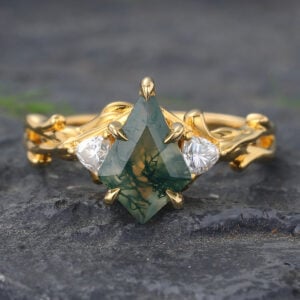
The value of a 14k gold ring depends on several factors. These include its weight, gold content, design, and the current market price of gold. There are many factors to evaluate. It is not as simple as looking at the current price of gold. Here’s a comprehensive guide to help you understand how much a 14k gold ring is worth:
1. Factors Affecting the Value of a 14k Gold Ring
- Gold content and current market price: 14k gold is 58.3% pure gold, which means that 41.7% of the ring is made up of other metals. The current market price of gold fluctuates constantly, which directly affects the value of the raw material of the ring. You can find current gold prices on financial websites or from reputable gold dealers.
- Ring weight: The weight of the ring, measured in grams or ounces, directly affects its value. The heavier the ring, the more gold it contains and the higher its value.
- Craftsmanship and design: Elaborate designs, brand names, or custom work can increase the value of a ring beyond its gold content. Rings from well-known designers or brands may also command higher prices.
- Gems or additional features: If the ring contains diamonds or other precious stones, their quality and size will greatly affect the overall value.
- Condition of the ring: A well-maintained ring with minimal wear and tear will fetch a higher price. Antique or vintage rings in good condition may have added value.
- Historical significance: Antique or historically significant rings can be very valuable to collectors.
2. How to Calculate the Worth of a 14k Gold Ring
Step 1: Weigh the Ring
Measure the weight of the ring in grams using a jewelry scale. If you don’t have a scale, a jeweler can weigh it for you.
Step 2: Determine the Pure Gold Content
14k gold means it’s 14/24 pure gold. That’s about 58.3% gold. To determine the weight of pure gold, multiply the total weight of the ring by 0.583.
For example: A 10 gram ring contains 10 x 0.583 = 5.83 grams of pure gold.
Step 3: Check the Current Gold Price
Check the current “spot” price of gold. This is the current market price for pure (24k) gold, typically quoted per troy ounce or per gram (e.g., $90 per gram).
Multiply the weight of pure gold by the current price.
Example: 5.83 grams x $90/gram = $524.7
The Pros and Cons of 14K Gold
Pros of 14k Gold
- Durability: More durable than higher karat gold (like 18k or 24k). This makes it more resistant to scratches, dents, and bending, making it ideal for everyday wear.
- Affordability: 14k gold is more affordable than 18k or 24k gold.
- Color: Offers a pleasant, warm gold color that is widely appreciated. It’s a good middle ground between the paler hue of 10k gold and the richer, more intense color of 18k gold.
- Versatility: Available in various colors, including yellow gold, white gold, and rose gold. Commonly used in various jewelry, including engagement rings, wedding bands, and other everyday pieces.
- Hypoallergenic properties: A good option for most people with sensitive skin, especially when it’s mixed with metals that are friendly to the skin, such as silver or palladium.
Cons of 14k Gold
- Lower gold content: 14k gold has less intrinsic value than higher karat gold, containing only 58.3% pure gold.
- Less rich color: Not as vibrant as higher karat gold.
- Resale value: While 14k gold retains its value, it may not fetch as high a price as higher karat gold when resold. This is due to its lower gold content.
Is 14K Gold Jewelry a Good Investment?
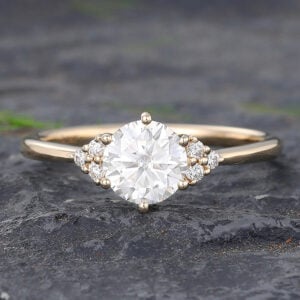
14k gold jewelry can be a good investment because it combines intrinsic value with aesthetic appeal. Gold itself tends to hold its value over time and can appreciate. However, the jewelry market often fluctuates based on trends, craftsmanship, and brand reputation. Investing in 14k gold jewelry can provide both a tangible asset and a stylish accessory, but potential buyers should consider factors such as resale value, condition, and market demand before making a purchase. Overall, it can be a rewarding investment if chosen wisely.
Tips for Buying or Selling a 14k Gold Ring
Whether you’re buying or selling a 14k gold ring, it’s important to approach the process with knowledge and caution. Here are some practical tips to help you get the best value and avoid common pitfalls:
Tips for Buying a 14k Gold Ring:
- Check the purity: Look for the “14k” stamp.
- Reputable seller: Buy from reputable jewelers or online platforms.
- Get an appraisal: For valuable rings, get a professional appraisal.
- Compare prices: Shop around to ensure a fair deal.
- Consider condition: Check for damage or wear.
Tips for Selling a 14k Gold Ring:
- Know the value: Calculate the gold content and research market prices.
- Get multiple offers: Get bids from multiple buyers (jewelers, pawn shops, online).
- Get a certified appraisal: For valuable pieces, a certificate increases buyer confidence.
- Understand fees: Understand any fees or commissions.
- Secure transaction: Ensure a secure and transparent transaction.
Conclusion: How Much is a 14k Gold Ring Worth?
Understanding the value of a 14k gold ring will not only help you make informed investment decisions. It will also allow you to better appreciate every piece of jewelry you own. Remember: Gold is an asset with long-term value, and a 14k gold ring is an excellent way to combine that value with beauty.
If you’re looking for high-quality, exquisitely designed 14k gold rings, consider Pattiring. We’re committed to providing you with the finest gold jewelry. We’ll make sure that every investment you make shines brightly.
14k Gold FAQs
Yes, 14k gold jewelry is worth something because of its gold content, which is approximately 58.3% pure gold. Its value can fluctuate based on the current market price of gold, the craftsmanship, the reputation of the brand, and any precious stones it may contain.
The value of a 14 karat gold ring depends on its weight and the current market price of gold. Currently, the price of gold fluctuates between $2,850 and $3,000 per ounce.
Yes, 14K gold has a resale value. While it may not be as high as 24K gold, it still contains a significant amount of gold that can be recovered and sold.
If you prioritize quality and appearance, 14k is better; if cost and durability are your main concerns, 10k may be preferable.
For everyday wear and durability, 14k is better. For a richer gold appearance and higher value, 18k is preferable.


